Solving communication silos with ChatGPT Agents
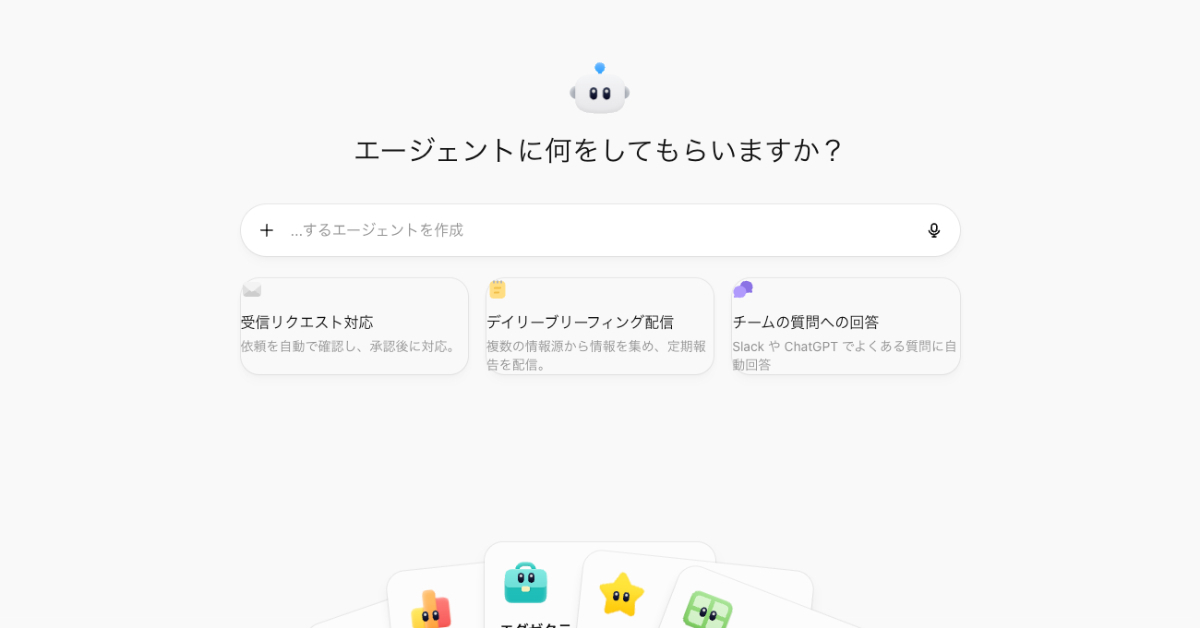
💡Discover how to use AI agents to unify your fragmented communication channels.
⚡ 30-Second TL;DR
What Changed
Address the problem of fragmented communication tools
Why It Matters
Improves productivity by centralizing information flow across disparate platforms.
What To Do Next
Build a simple agent using the OpenAI Assistants API to fetch and summarize unread messages from your Slack or Teams workspace.
Key Points
- •Address the problem of fragmented communication tools
- •Use ChatGPT Agents to automate message monitoring
- •Prevent missed replies and critical information loss
🧠 Deep Insight
AI-generated analysis for this event — not the original article.
🔑 Enhanced Key Takeaways
- •Integration of ChatGPT Agents with enterprise communication platforms often utilizes RAG (Retrieval-Augmented Generation) to maintain context across disparate data silos without exposing sensitive raw data to public model training.
- •Modern agentic workflows for communication management now incorporate 'human-in-the-loop' verification layers to prevent AI-generated hallucinations from misinterpreting urgent business requests.
- •The shift toward 'Agentic Orchestration' allows these tools to not only summarize messages but also trigger downstream API actions, such as automatically creating Jira tickets or updating CRM records based on Slack/Teams content.
- •Privacy-preserving architectures, such as local LLM deployment or VPC-isolated instances, are becoming standard requirements for deploying ChatGPT-based communication aggregators in regulated industries.
- •Latency reduction in multi-platform monitoring is being addressed through asynchronous event-driven architectures (e.g., Webhooks and Message Queues) rather than traditional polling methods.
📊 Competitor Analysis▸ Show
| Feature | ChatGPT Agents (Enterprise) | Microsoft Copilot Studio | Slack AI | Salesforce Einstein Copilot |
|---|---|---|---|---|
| Primary Focus | Cross-platform aggregation | Microsoft 365 ecosystem | Slack-native intelligence | CRM-centric workflows |
| Pricing | Usage-based/Per-seat | Per-user/month | Add-on per-user | Per-user/month |
| Integration | Agnostic (API-first) | Deep M365 integration | Slack/Salesforce only | Salesforce ecosystem |
🛠️ Technical Deep Dive
- Architecture: Utilizes a multi-agent framework where specialized agents handle specific protocols (e.g., SMTP for email, Graph API for Teams, Webhooks for Slack).
- Context Management: Employs vector databases (e.g., Pinecone, Milvus) to store message embeddings, enabling semantic search across different communication channels.
- Security: Implements OAuth 2.0 for secure token management and granular scope control to ensure agents only access authorized channels.
- Processing: Uses asynchronous event-driven pipelines to ingest notifications, minimizing the impact of API rate limits on real-time responsiveness.
🔮 Future ImplicationsAI analysis grounded in cited sources
⏳ Timeline
Weekly AI Recap
Read this week's curated digest of top AI events →
👉Related Updates

AI-curated news aggregator. All content rights belong to original publishers.
Original source: ITmedia AI+ (日本) ↗
This is a summary, not the original. Read the source, or get the weekly briefing.
Weekly AI briefing
One email a week. Unsubscribe anytime.