How Data Centers Transformed Loudoun County

💡See how fiber, power, and land turned one county into a critical hub for future AI compute.
⚡ 30-Second TL;DR
What Changed
Loudoun County shifted from relying on residential real estate to generating more than half of its tax revenue from commercial sources.
Why It Matters
The story illustrates how legacy connectivity and reliable utilities can become a durable competitive advantage for AI compute regions. However, concentrating infrastructure also makes power availability, water use, grid expansion, and community acceptance important constraints for future AI growth.
What To Do Next
Audit your preferred cloud regions for GPU availability, power constraints, network latency, and data-center concentration before committing to an AI deployment.
Key Points
- •Loudoun County shifted from relying on residential real estate to generating more than half of its tax revenue from commercial sources.
- •Existing fiber, an internet exchange point, available land, electricity, water, and proximity to Washington, DC helped attract data centers.
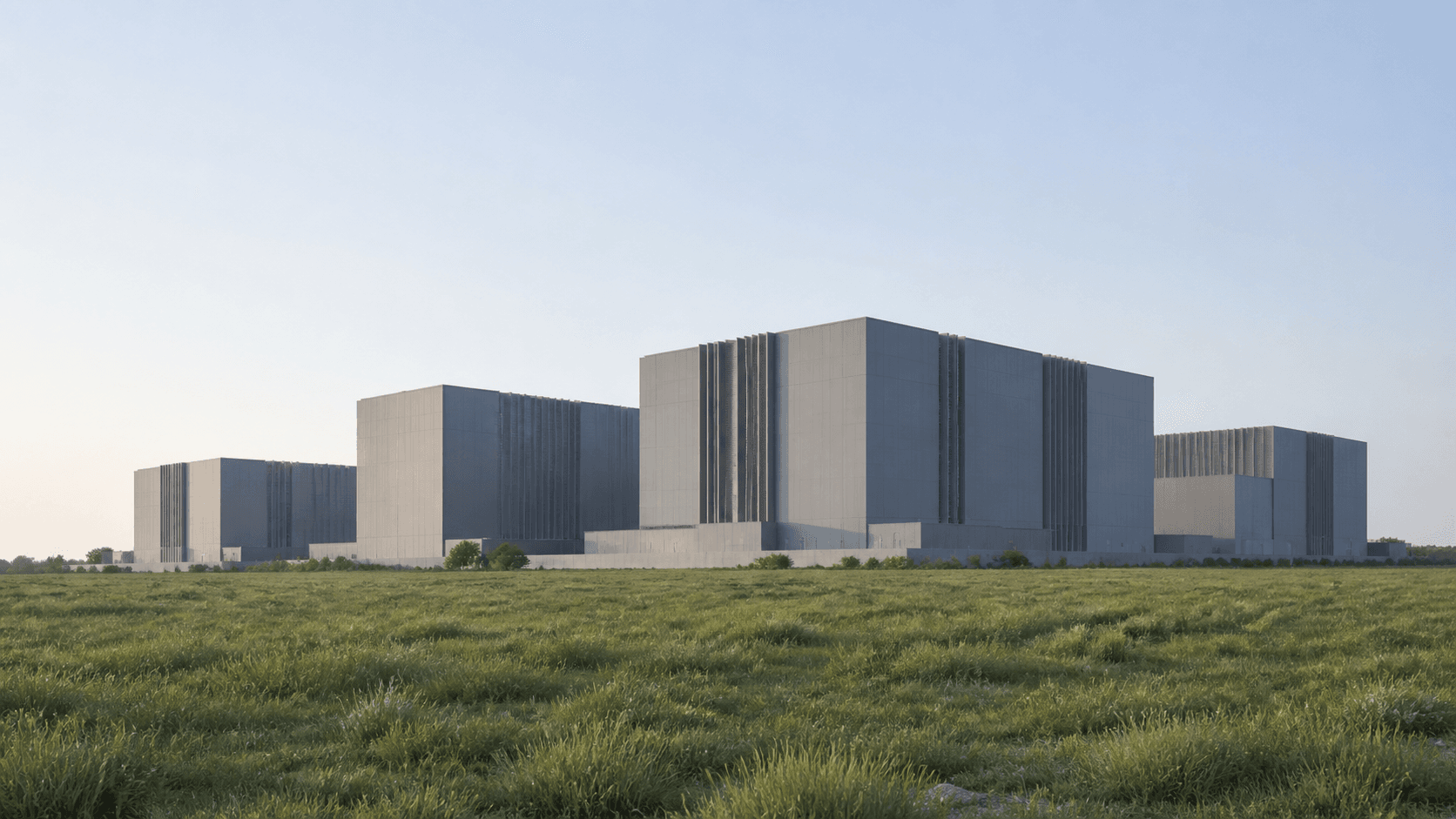
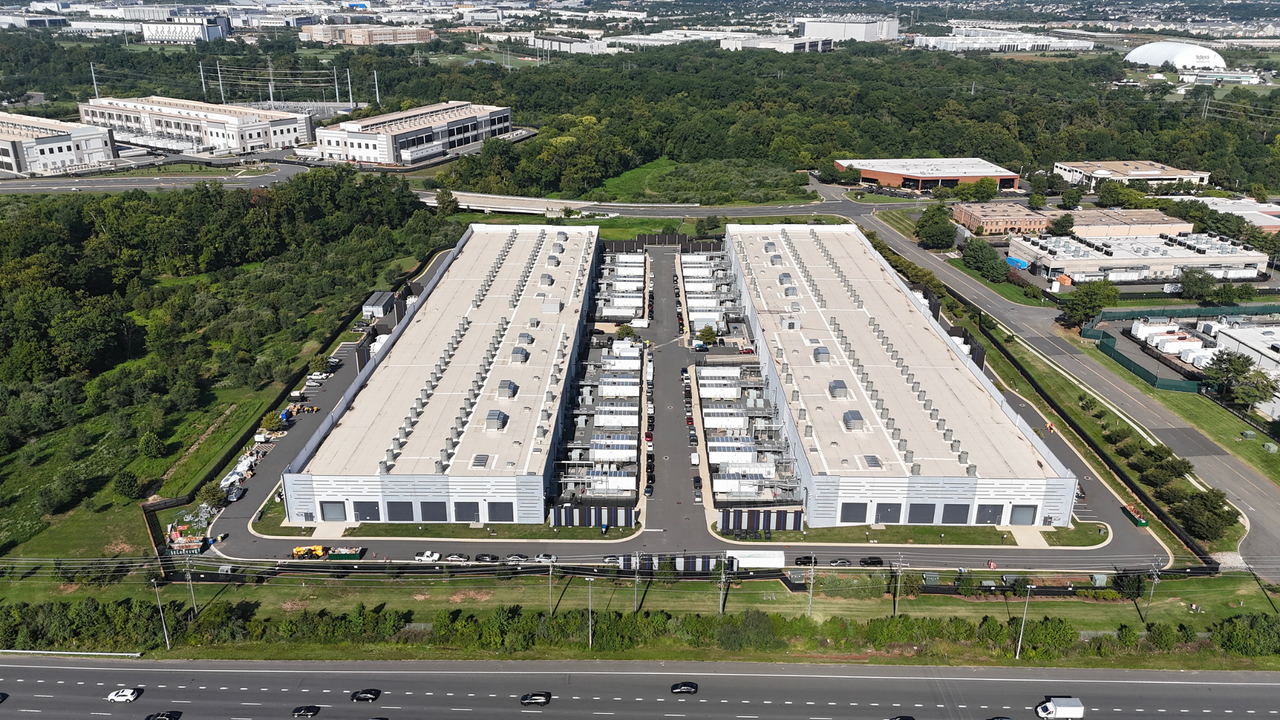
- •The county now hosts about 250 data centers across a small area known as Data Center Alley.
- •Data center tax revenue alone exceeds Loudoun County’s operational budget by $35 million and helped fund 22 new schools in 15 years.
Weekly AI Recap
Read this week's curated digest of top AI events →
👉Related Updates

AI-curated news aggregator. All content rights belong to original publishers.
Original source: The Verge ↗
This is a summary, not the original. Read the source, or get the weekly briefing.
Weekly AI briefing
One email a week. Unsubscribe anytime.