AI Data Center Spending Could Reach $32 Trillion
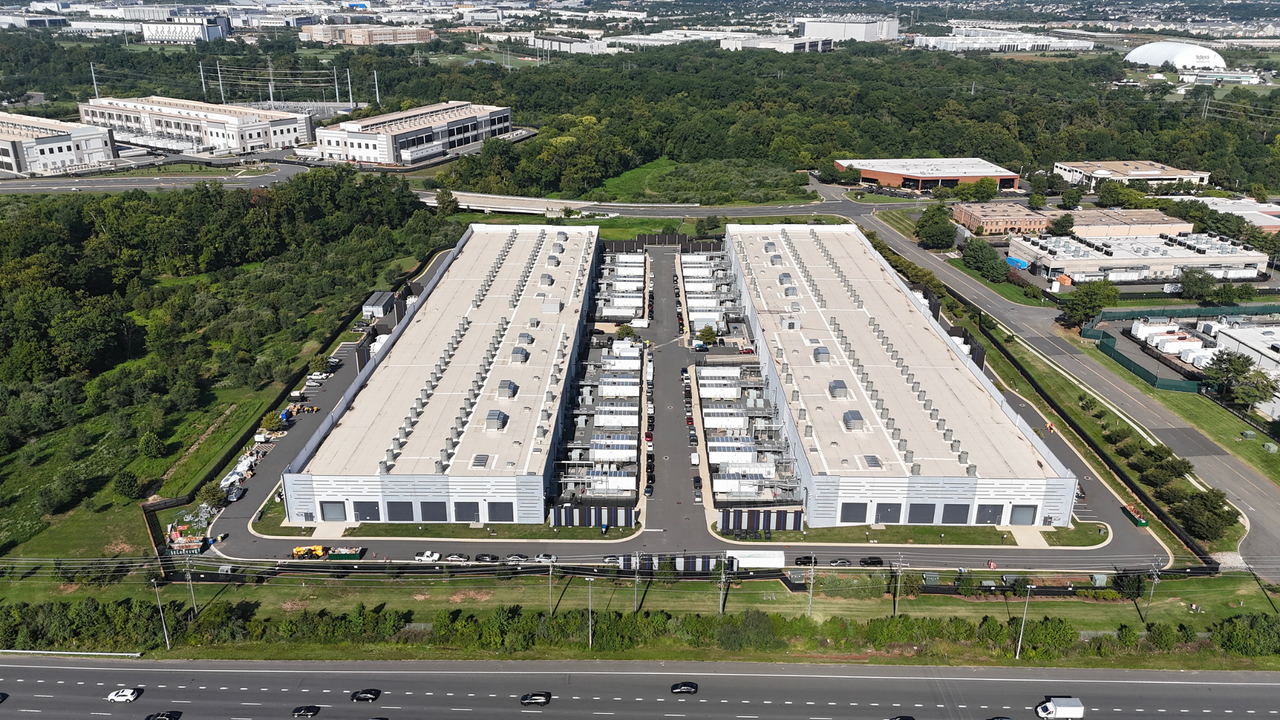
💡A $32 trillion forecast shows why GPU capacity, power, and refresh cycles matter to every AI roadmap.
⚡ 30-Second TL;DR
What Changed
Projected AI data center investment could total $32 trillion by 2050.
Why It Matters
The forecast highlights that AI capacity planning is a recurring capital commitment rather than a one-time buildout. Enterprises and founders may need to model hardware refreshes, power requirements, and long-term infrastructure costs into AI strategies.
What To Do Next
Build a five-year AI infrastructure budget that includes GPU replacement, power capacity, cooling, and networking refresh assumptions.
Key Points
- •Projected AI data center investment could total $32 trillion by 2050.
- •The spending may exceed the infrastructure costs of railways, electrification, or the internet.
- •GPU and infrastructure refresh cycles are expected to occur every four to six years.
🧠 Deep Insight
Background and context from public sources — not the original article. 5 sources cited.
🔑 Enhanced Key Takeaways
- •The United States is projected to account for nearly 48% of the total $31.6 trillion global investment, totaling approximately $15.1 trillion.
- •Annual capital expenditure for data center infrastructure is expected to scale from $800 billion in 2026 to $1.8 trillion by 2050.
- •Data center construction spending in the U.S. experienced a 60% annualized growth rate as of July 2026, highlighting the rapid physical expansion of the sector.
- •Local opposition has emerged as a significant bottleneck, with 75 projects valued at $130 billion being blocked or delayed in Q1 2026 due to environmental and resource concerns.
- •Power availability has surpassed capital access as the primary constraint for new data center deployments, creating a mismatch between funding velocity and infrastructure readiness.
🛠️ Technical Deep Dive
- Hardware refresh cycles are driven by rapid semiconductor advancements, necessitating a 4-6 year replacement cadence for GPUs, servers, and networking gear.
- Infrastructure investment is shifting from traditional civil engineering (land/construction) toward high-density electrical and cooling systems required for next-generation AI compute clusters.
- Scaling requires massive integration of specialized cooling solutions and electrical grid upgrades to support the increasing power density of modern AI racks.
🔮 Future ImplicationsAI analysis grounded in cited sources
⏳ Timeline
📎 Sources (5)
Factual claims are grounded in the sources below. Forward-looking analysis is AI-generated interpretation.
Weekly AI Recap
Read this week's curated digest of top AI events →
👉Related Updates

AI-curated news aggregator. All content rights belong to original publishers.
Original source: Tom's Hardware ↗
This is a summary, not the original. Read the source, or get the weekly briefing.
Weekly AI briefing
One email a week. Unsubscribe anytime.