House Advances Meta-Google Kid Safety Bills

💡US House pushes kid safety rules on Meta/Google, impacting AI content moderation
⚡ 30-Second TL;DR
What Changed
House committee advances child safety bill package
Why It Matters
May impose new compliance burdens on big tech AI moderation systems, influencing content filtering algorithms and platform design.
What To Do Next
Track House Energy Committee bills for potential AI safety compliance requirements.
Key Points
- •House committee advances child safety bill package
- •Targets Meta and Google social media platforms
- •Boosts US momentum amid global regulatory race
🧠 Deep Insight
Background and context from public sources — not the original article. 8 sources cited.
🔑 Enhanced Key Takeaways
- •The House advanced a 18-19 bill package in December 2025, but the most material provisions—age verification mandates and platform 'duty of care' obligations—were excluded to avoid First Amendment constitutional challenges[5].
- •Federal legislation has stalled despite bipartisan Senate passage (91-3 vote in 2024); House Speaker Mike Johnson has not brought KOSA and COPPA 2.0 to a floor vote due to Republican concerns about censorship and constitutional durability[6].
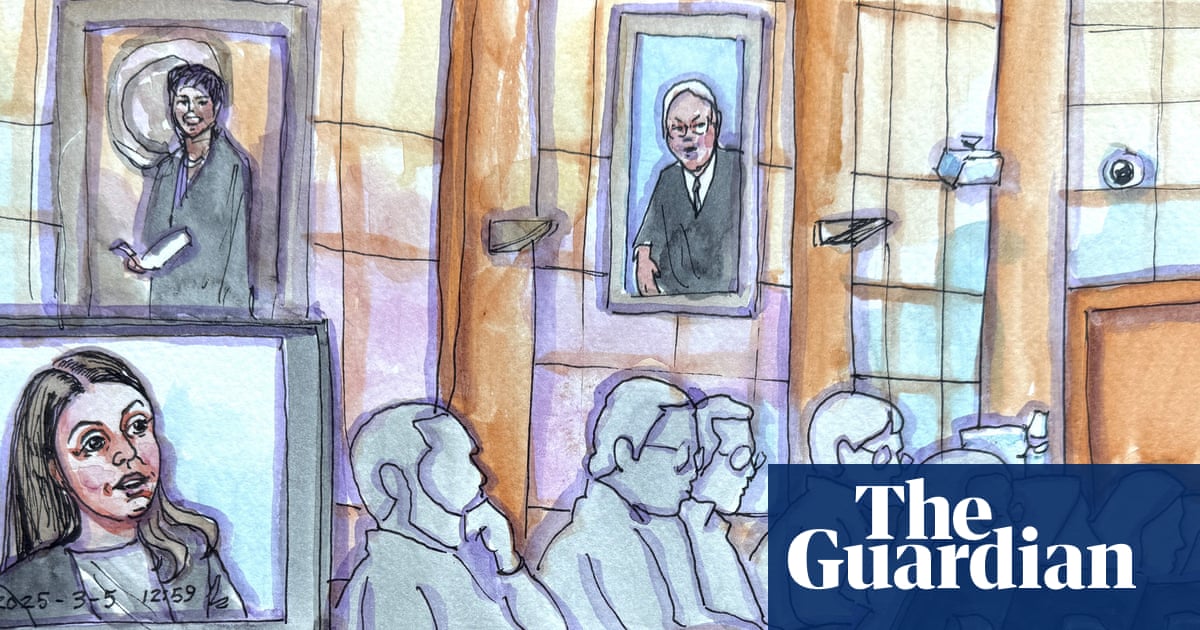
- •Landmark social media litigation is now driving accountability: Meta faces a bellwether consumer protection trial in New Mexico where prosecutors allege the company failed to disclose known dangers of addiction and child sexual exploitation[1].
- •State-level action is accelerating: Utah, Texas, Louisiana, and Alabama have already signed app store accountability laws requiring age verification, though several face legal challenges[4].
- •Congress is bundling children's privacy legislation with AI safety measures (chatbot limitations, algorithmic recommendations, deepfakes) to build political momentum, as regulators have signaled AI regulation is contingent on kids' privacy protections[5].
🔮 Future ImplicationsAI analysis grounded in cited sources
⏳ Timeline
📎 Sources (8)
Factual claims are grounded in the sources below. Forward-looking analysis is AI-generated interpretation.
- nbcrightnow.com — Article A82d45e4 40c7 529b B559 93f4c19cd867
- techpolicy.press — February 2026 US Tech Policy Roundup
- techpolicy.press — House Subcommittee Advances 18 Child Online Safety Bills
- mediaite.com — Gop Led App Store Bill Ramps Up Amid Dire Privacy Concerns
- capstonedc.com — Platform 2026 Preview
- childrenandscreens.org — Policy Update February 2026
- aol.com — House Commerce Chair Unveils Kids 154250785
- kcnonline.com — Bill Would Require Age Verification for Apps
Weekly AI Recap
Read this week's curated digest of top AI events →
👉Related Updates
AI-curated news aggregator. All content rights belong to original publishers.
Original source: Bloomberg Technology ↗
This is a summary, not the original. Read the source, or get the weekly briefing.
Weekly AI briefing
One email a week. Unsubscribe anytime.