🐯虎嗅•Freshcollected in 2h
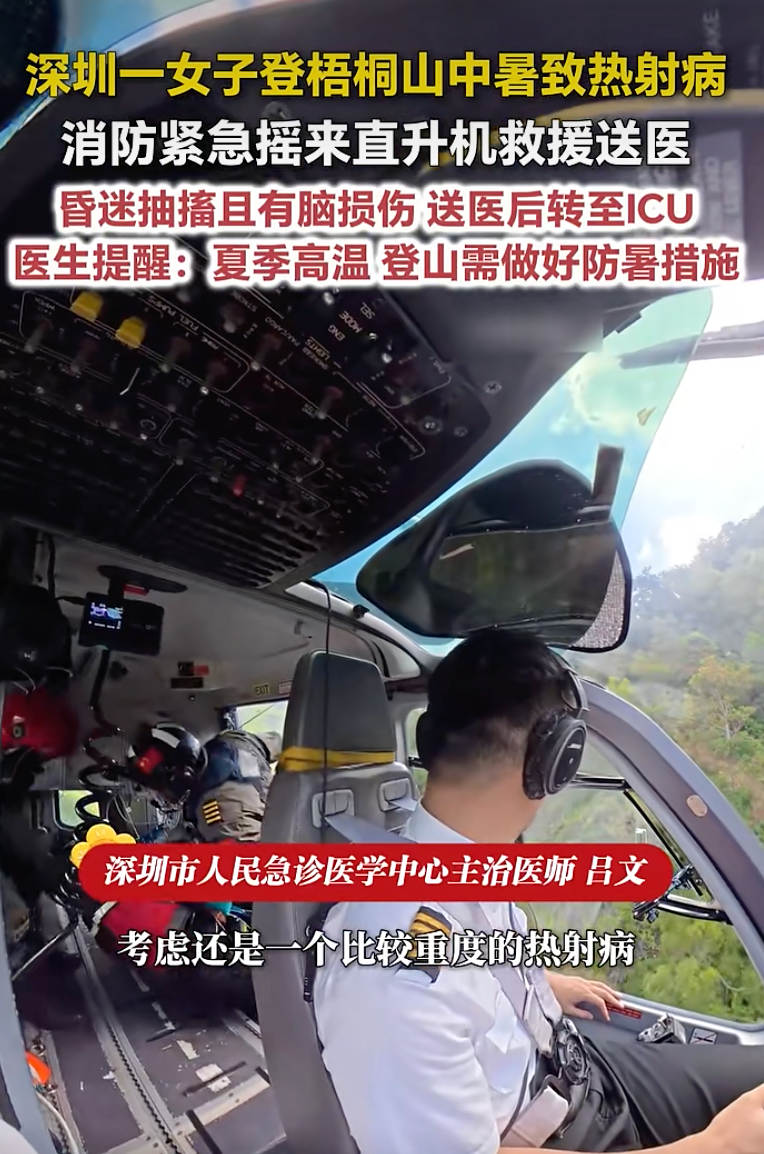
Heatstroke risks in outdoor activities and safety warnings
💡Learn about the critical intersection of environmental data and human safety, a key area for wearable AI development.
⚡ 30-Second TL;DR
What Changed
Extreme heat and high humidity significantly increase the risk of exertional heatstroke.
Why It Matters
There is a growing need for AI-powered personal safety devices that monitor physiological vitals to prevent heat-related medical emergencies.
What To Do Next
If building wearable tech, implement real-time heart rate and temperature monitoring to trigger early heatstroke alerts.
Who should care:Developers & AI Engineers
Key Points
- •Extreme heat and high humidity significantly increase the risk of exertional heatstroke.
- •Outdoor hiking accidents have surged, with heat-related illnesses becoming a primary concern.
- •Safety protocols include avoiding peak heat hours (11:00-16:00) and proper hydration with electrolytes.
- •AI-driven weather monitoring and real-time alerts are critical for managing outdoor safety.
🧠 Deep Insight
AI-generated analysis for this event.
🔑 Enhanced Key Takeaways
- •Exertional heatstroke (EHS) is distinct from classic heatstroke, as it primarily affects younger, physically active individuals whose internal heat production exceeds the body's cooling capacity.
- •The 'Wet Bulb Globe Temperature' (WBGT) is increasingly used by professional sports organizations as a more accurate metric than standard air temperature for assessing heat stress risk.
- •Shenzhen's Wutong Mountain has implemented 'smart trail' initiatives, including the installation of emergency call boxes and real-time environmental sensors to mitigate risks in high-traffic areas.
- •Physiological research indicates that heat acclimatization—gradual exposure to heat over 7-14 days—can significantly lower the heart rate and core temperature response during exercise.
- •Medical guidelines now emphasize 'cool first, transport second' protocols for heatstroke victims, prioritizing rapid cold-water immersion over immediate hospital transit to prevent organ damage.
🛠️ Technical Deep Dive
- WBGT Calculation: WBGT = 0.7 * Tw + 0.2 * Tg + 0.1 * Td, where Tw is natural wet-bulb temperature, Tg is globe thermometer temperature, and Td is dry-bulb temperature.
- Physiological Monitoring: Wearable sensors utilize photoplethysmography (PPG) and galvanic skin response (GSR) to estimate core body temperature and sweat rate in real-time.
- Predictive Modeling: AI models for heatstroke risk assessment integrate historical meteorological data, topography, and individual biometric baselines to generate localized 'heat-risk' heatmaps.
🔮 Future ImplicationsAI analysis grounded in cited sources
Mandatory smart-wearable requirements for high-altitude or extreme-heat hiking trails.
Rising fatality rates are forcing local governments to integrate real-time biometric monitoring into park access protocols.
Integration of hyper-local weather forecasting into public navigation apps.
General weather reports fail to account for micro-climates on mountains, necessitating granular data for safety alerts.
⏳ Timeline
2023-08
Shenzhen authorities initiate 'Smart Wutong' project to upgrade trail safety infrastructure.
2024-06
Implementation of real-time heat warning systems across major Shenzhen hiking trails.
2025-07
Increased deployment of automated external defibrillators (AEDs) and cooling stations on Wutong Mountain.
📰
Weekly AI Recap
Read this week's curated digest of top AI events →
👉Related Updates

AI-curated news aggregator. All content rights belong to original publishers.
Original source: 虎嗅 ↗