Google Wallet ID passes launching in EU this summer
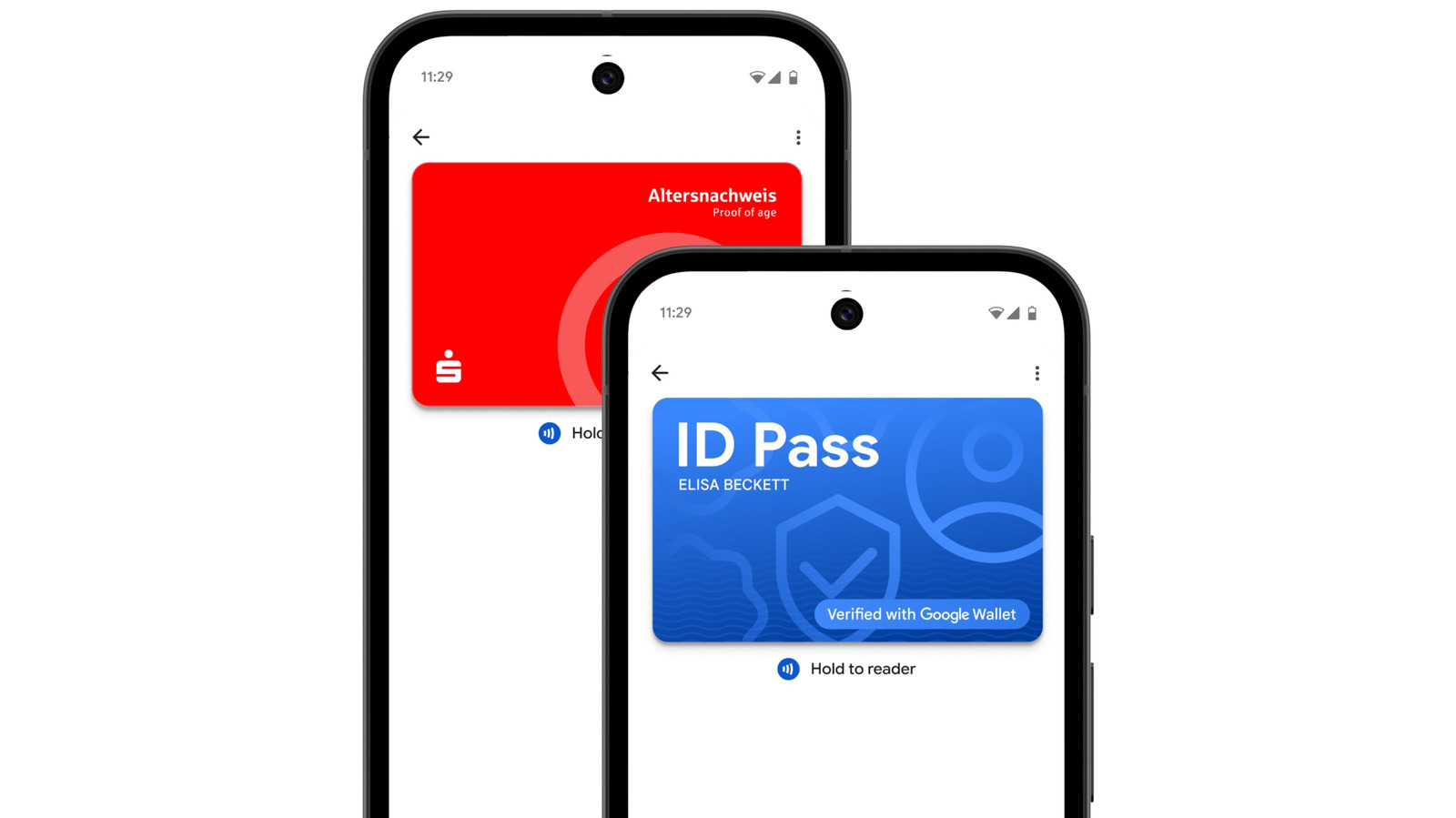
💡Learn how Google is integrating bank-backed identity verification into its global wallet ecosystem.
⚡ 30-Second TL;DR
What Changed
Digital ID passes arriving in select EU countries this summer
Why It Matters
This expansion signals Google's push into sovereign digital identity infrastructure. It sets a precedent for how tech giants integrate with regional banking systems for secure verification.
What To Do Next
Review the Google Wallet API documentation to understand how identity verification hooks might be integrated into your own enterprise applications.
Key Points
- •Digital ID passes arriving in select EU countries this summer
- •New age verification process integrated into Google Wallet
- •Strategic partnership with a European bank for identity security
🧠 Deep Insight
Background and context from public sources — not the original article. 18 sources cited.
🔑 Enhanced Key Takeaways
- •The EU rollout of Google Wallet ID passes is set against the backdrop of the eIDAS 2.0 regulation, which mandates all EU member states to provide their own interoperable EU Digital Identity Wallets to citizens, residents, and businesses by the end of 2026.
- •The new age verification mechanism integrated into Google Wallet leverages Zero Knowledge Proof (ZKP) technology, allowing users to confirm their age without revealing specific personal details like their name or birth date.
- •The strategic partnership for identity security is specifically with Sparkasse Bank, enabling its customers to confirm their age through Google Wallet while maintaining privacy.
- •Prior to this EU expansion, Google Wallet had already launched digital ID support for government-issued IDs and passports in the US and UK, and for passports in Brazil, Singapore, and Taiwan.
- •Digital IDs stored in Google Wallet are encrypted on the user's device and require personal authentication, such as a fingerprint, PIN, or passcode, for access, ensuring user control over shared information.
🛠️ Technical Deep Dive
- Age verification is implemented using Zero Knowledge Proof (ZKP) technology, which allows for the confirmation of an attribute (e.g., age) without disclosing the underlying personal data.
- Digital IDs are stored encrypted directly on the user's device, rather than on Google's servers, enhancing security and privacy.
- Access to digital IDs requires personal authentication, such as a fingerprint, PIN, or passcode, before the ID pass can be viewed or shared.
- The integration process for adding passports involves scanning the security chip embedded in the passport using the phone's NFC chip, along with a selfie video for identity verification.
- Google Wallet's digital credential API and underlying standards like ISO/IEC 18013-5 are utilized for mobile driving licenses globally.
🔮 Future ImplicationsAI analysis grounded in cited sources
⏳ Timeline
📎 Sources (18)
Factual claims are grounded in the sources below. Forward-looking analysis is AI-generated interpretation.
Weekly AI Recap
Read this week's curated digest of top AI events →
👉Related Updates

AI-curated news aggregator. All content rights belong to original publishers.
Original source: Engadget ↗
This is a summary, not the original. Read the source, or get the weekly briefing.
The weekly digest
One email a week. Unsubscribe anytime.