Google secures solar power for data center energy needs
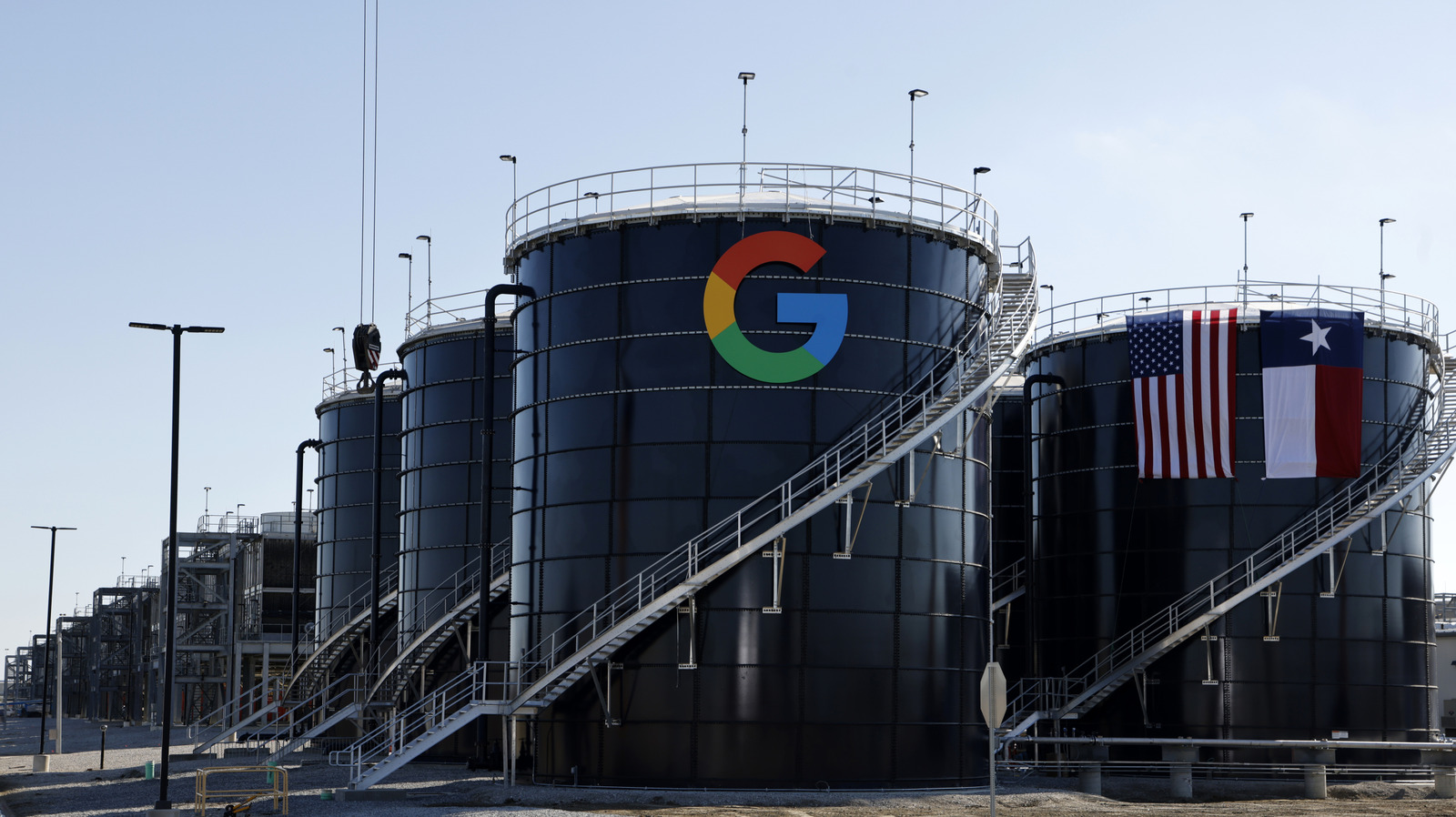
๐กAI compute is energy-intensive; see how Google is securing renewable infrastructure to sustain its AI growth.
โก 30-Second TL;DR
What Changed
Google acquired 100% of the electrical output from a new large-scale solar project.
Why It Matters
As AI model training and inference demand massive compute, energy sustainability becomes a critical bottleneck. This strategy helps Google maintain its ESG commitments while scaling AI infrastructure.
What To Do Next
If you are building large-scale AI applications, audit your cloud provider's carbon intensity metrics to align with your organization's sustainability goals.
Key Points
- โขGoogle acquired 100% of the electrical output from a new large-scale solar project.
- โขThe initiative aims to mitigate the carbon footprint of power-hungry AI and cloud data centers.
- โขThis reflects a broader trend of big tech companies investing in renewable energy infrastructure to support AI scaling.
๐ง Deep Insight
AI-generated analysis for this event.
๐ Enhanced Key Takeaways
- โขThe solar project utilizes bifacial solar module technology, which captures sunlight on both sides of the panel to increase energy yield by up to 20% compared to traditional monofocal installations.
- โขGoogle's agreement includes a long-term Power Purchase Agreement (PPA) structure, which provides the developer with the financial certainty required to secure project financing.
- โขThe data center facility supported by this energy is specifically optimized for Google's custom-designed Tensor Processing Units (TPUs) used in large-scale generative AI training.
- โขThis project incorporates advanced battery energy storage systems (BESS) to manage intermittency, allowing Google to shift solar generation to peak demand hours.
- โขThe initiative is part of Google's '24/7 Carbon-Free Energy' goal, which aims to match electricity consumption with carbon-free sources on an hourly basis, rather than just annually.
๐ Competitor Analysisโธ Show
| Feature | Microsoft | Amazon (AWS) | |
|---|---|---|---|
| Renewable Strategy | 24/7 Carbon-Free Energy | 100% Renewable by 2025 | 100% Renewable by 2025 |
| Primary Focus | Hourly matching/BESS | PPA/Nuclear integration | PPA/Wind/Solar scale |
| AI Energy Scaling | High (TPU-focused) | High (OpenAI partnership) | High (Custom Silicon) |
๐ ๏ธ Technical Deep Dive
- Energy Capacity: The solar farm is rated at 450MW peak capacity, utilizing high-efficiency monocrystalline silicon cells.
- Grid Integration: Implementation of smart inverters with reactive power control to maintain grid stability during high-load AI training cycles.
- Cooling Efficiency: The associated data center utilizes liquid cooling technology to reduce the Power Usage Effectiveness (PUE) ratio to approximately 1.10.
- Storage Architecture: Lithium Iron Phosphate (LFP) battery arrays are deployed to provide 2-hour discharge duration for load balancing.
๐ฎ Future ImplicationsAI analysis grounded in cited sources
โณ Timeline
Weekly AI Recap
Read this week's curated digest of top AI events โ
๐Related Updates
AI-curated news aggregator. All content rights belong to original publishers.
Original source: Engadget โ