GMO Group Overhauls Organization for AI-Driven Transformation
💡See how a major Japanese tech conglomerate is restructuring its entire engineering org for an AI-native future.
⚡ 30-Second TL;DR
What Changed
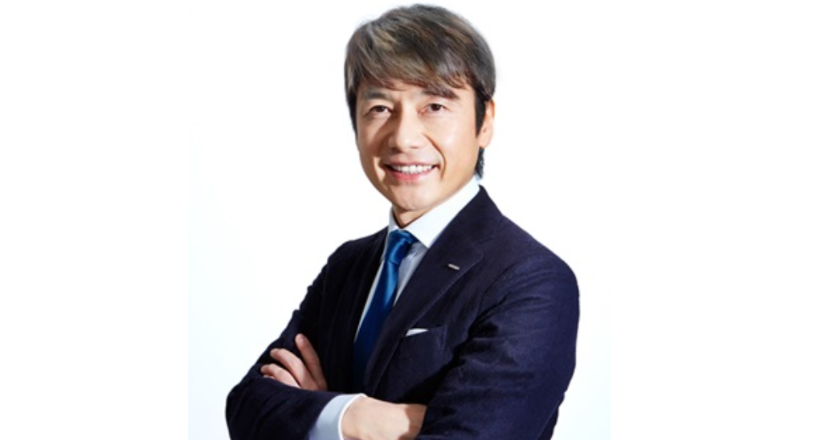
CEO Masatoshi Kumagai appointed as Group CAIO to lead AI strategy
Why It Matters
This move signals a top-down commitment to integrating AI into core business operations, likely affecting how the company manages engineering workflows and product development.
What To Do Next
Monitor GMO's public engineering blog for updates on their internal AI toolchain and development workflow changes.
Key Points
- •CEO Masatoshi Kumagai appointed as Group CAIO to lead AI strategy
- •Comprehensive organizational restructuring targeting engineering departments
- •Strategic shift toward becoming an 'AI-nized' organization
🧠 Deep Insight
AI-generated analysis for this event — not the original article.
🔑 Enhanced Key Takeaways
- •GMO Internet Group has mandated that all employees, regardless of department, must utilize AI tools in their daily operations to achieve a '100% AI utilization rate' across the workforce.
- •The restructuring includes the integration of 'AI Prompt Engineers' into core business units to bridge the gap between technical infrastructure and practical service application.
- •The company has launched an internal 'AI Contest' and certification program to incentivize employees to develop and implement AI-driven productivity improvements.
- •GMO is heavily leveraging its own cloud infrastructure, specifically GMO Internet Group's GPU cloud services, to provide the computational backbone for its internal AI transformation.
- •The organizational shift involves a transition from traditional hierarchical management to a more agile, AI-augmented decision-making structure where data-driven insights from AI models influence executive strategy.
🛠️ Technical Deep Dive
- Implementation of a private, secure LLM environment for internal data processing to prevent leakage of proprietary information.
- Deployment of GPU-accelerated infrastructure utilizing NVIDIA H100/A100 clusters to support high-concurrency AI model training and inference.
- Integration of automated CI/CD pipelines that incorporate AI-assisted code generation and security vulnerability scanning.
- Utilization of RAG (Retrieval-Augmented Generation) architectures to connect internal corporate knowledge bases with public LLMs for specialized business tasks.
🔮 Future ImplicationsAI analysis grounded in cited sources
⏳ Timeline
Weekly AI Recap
Read this week's curated digest of top AI events →
👉Related Updates
AI-curated news aggregator. All content rights belong to original publishers.
Original source: ITmedia AI+ (日本) ↗
This is a summary, not the original. Read the source, or get the weekly briefing.
The weekly digest
One email a week. Unsubscribe anytime.