Global Humanoid Robot Fighting League Launches in Shenzhen

💡Witness the first industrial-scale humanoid combat league—a massive real-world testbed for embodied AI and hardware.
⚡ 30-Second TL;DR
What Changed
URKL league features 1V1, 5-round combat matches with heavy-duty humanoid robots.
Why It Matters
This league serves as a high-visibility stress test for humanoid hardware and control systems, potentially accelerating advancements in robust motor control and autonomous combat logic.
What To Do Next
Analyze the durability and failure recovery patterns of the T800 robots to improve your own robot's fault-tolerant control architecture.
Key Points
- •URKL league features 1V1, 5-round combat matches with heavy-duty humanoid robots.
- •Tournament includes 32 teams competing across Beijing, Zhengzhou, Shanghai, and Shenzhen.
- •Total prize pool reaches 14 million, with a grand final scheduled for early 2027.
- •Robots demonstrated high durability, continuing to function even after sustaining significant damage.
🧠 Deep Insight
AI-generated analysis for this event.
🔑 Enhanced Key Takeaways
- •The URKL (Ultimate Robot Kombat League) is backed by major Chinese robotics stakeholders aiming to accelerate the development of high-torque actuators and impact-resistant materials for humanoid platforms.
- •The league mandates specific safety protocols for autonomous and remote-operated humanoid combat, including emergency kill-switches and structural integrity monitoring systems.
- •Participating robots are required to meet standardized height and weight classes, typically ranging between 1.2 to 1.6 meters, to ensure fair competition in the 1V1 format.
- •The event serves as a live testing ground for 'Embodied AI' stress tests, specifically focusing on how robots maintain balance and motor control under kinetic impact.
- •The prize pool is partially funded by a consortium of venture capital firms specializing in the 'hard tech' sector, signaling a shift toward commercializing entertainment-based robotics.
📊 Competitor Analysis▸ Show
| Feature | URKL (Humanoid) | BattleBots (Non-Humanoid) | Ganker EX (Consumer) |
|---|---|---|---|
| Form Factor | Full Humanoid | Wheeled/Static Chassis | Humanoid (Small) |
| Primary Focus | Embodied AI/Durability | Kinetic Destruction | Hobbyist/Gaming |
| Control | Autonomous/Hybrid | Remote Controlled | Remote Controlled |
| Market | Commercial/Industrial | Entertainment/Media | Consumer/Toy |
🛠️ Technical Deep Dive
- Actuator Technology: Utilization of high-torque quasi-direct drive (QDD) actuators designed to absorb shock loads without gear failure.
- Structural Materials: Use of carbon-fiber reinforced polymers and aerospace-grade aluminum alloys to maximize strength-to-weight ratios.
- Control Architecture: Integration of real-time kinematic feedback loops that allow robots to adjust center-of-gravity dynamically during impact.
- Power Systems: High-discharge lithium-polymer battery packs capable of sustaining rapid, high-current bursts required for combat maneuvers.
🔮 Future ImplicationsAI analysis grounded in cited sources
⏳ Timeline
Weekly AI Recap
Read this week's curated digest of top AI events →
👉Related Updates
Same topic
Explore #robotics
Same product
More on urkl-humanoid-robot-league
Same source
Latest from IT之家
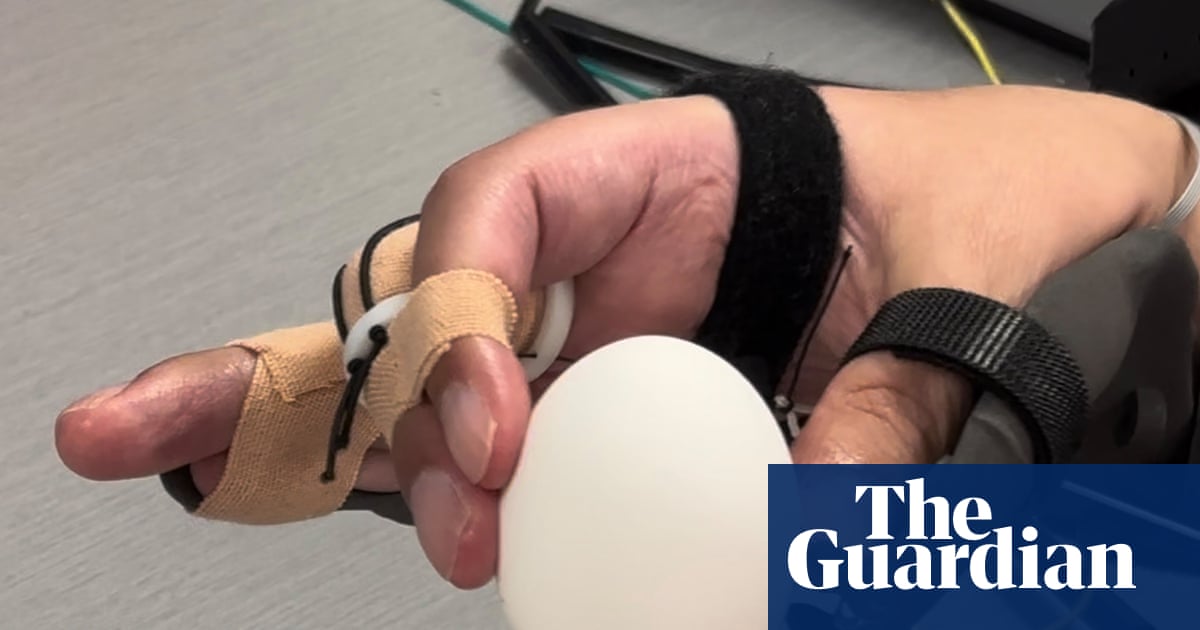
Brain implant restores movement for paralysed patient
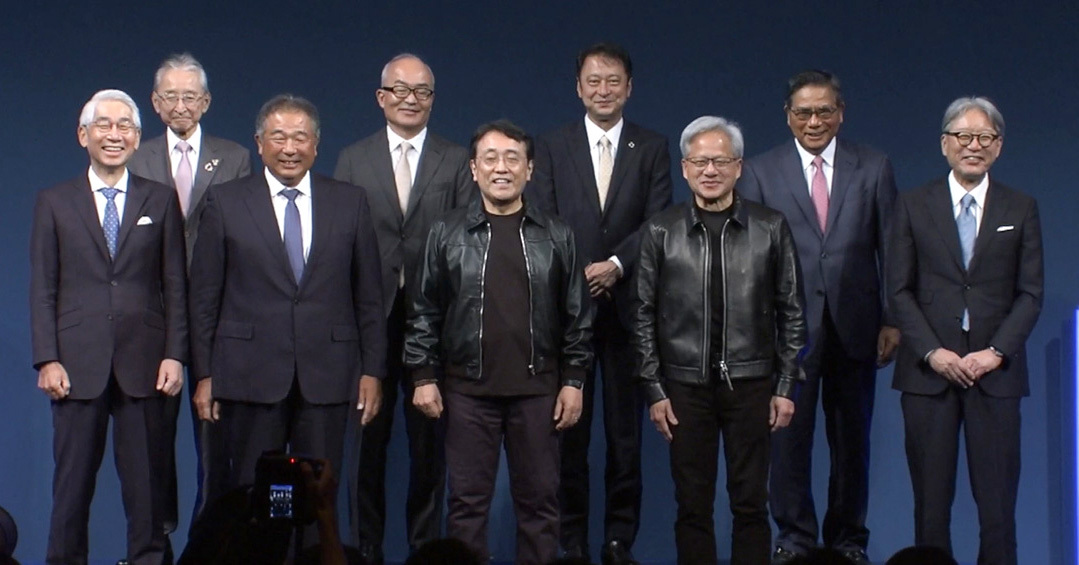
Japan Launches FRONTia Project for Physical AI Development
Saronic to Build $3.2B Shipyard for Maritime AI Drones

Huawei Smart Driving and Cockpit Installations Hit 2 Million
AI-curated news aggregator. All content rights belong to original publishers.
Original source: IT之家 ↗