Fuel car market faces massive price cuts and decline
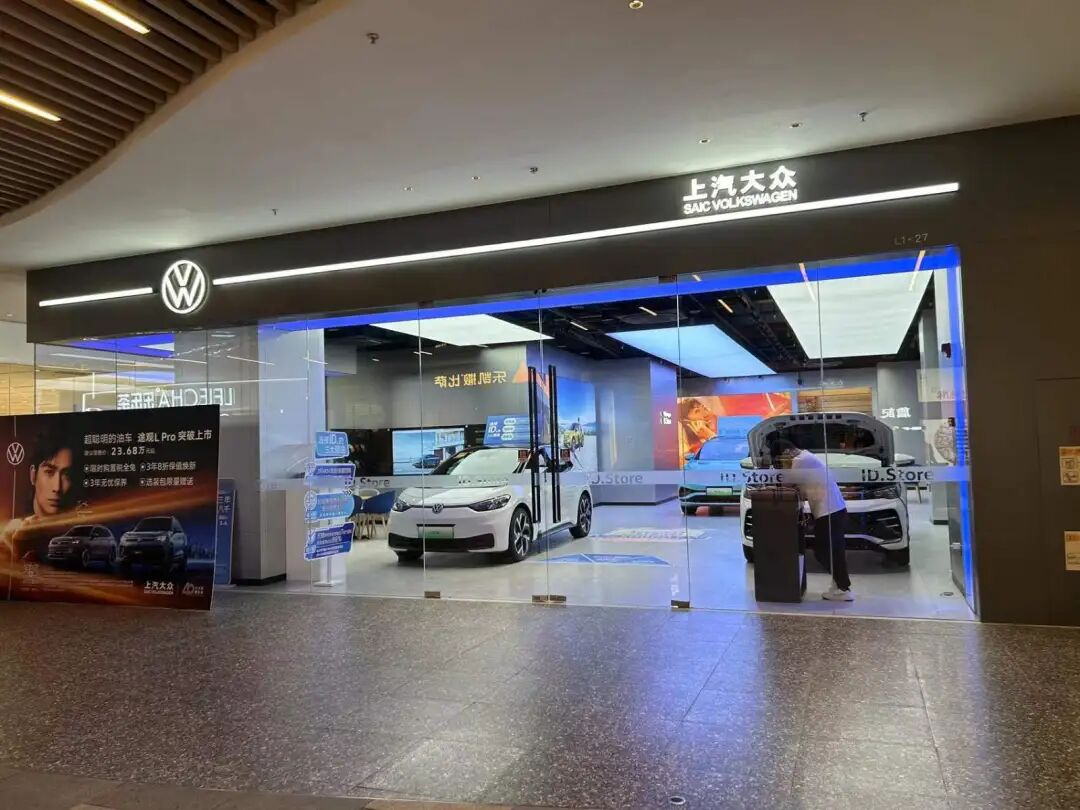
💡Understand the structural collapse of the fuel car market and the rapid shift toward AI-powered smart vehicles.
⚡ 30-Second TL;DR
What Changed
Fuel vehicle prices have dropped significantly, with some models seeing discounts of 25% to 35%.
Why It Matters
The rapid decline of the fuel vehicle market highlights the accelerated adoption of AI-integrated smart cockpits and autonomous driving features found in NEVs. This shift forces traditional automotive supply chains to pivot toward software-defined vehicle architectures.
What To Do Next
If you are building automotive software, prioritize developing features for NEV platforms as the market share for traditional fuel vehicles continues to contract.
Key Points
- •Fuel vehicle prices have dropped significantly, with some models seeing discounts of 25% to 35%.
- •High inventory levels at dealerships are forcing aggressive clearance strategies despite weak demand.
- •New energy vehicle (NEV) penetration reached 61.4% in April, signaling a structural shift away from traditional combustion engines.
- •Industry experts predict a gradual phase-out of fuel vehicles, with market share expected to shrink to 20% by 2030.
🧠 Deep Insight
Web-grounded analysis with 16 cited sources.
🔑 Enhanced Key Takeaways
- •The severe price war has driven profit margins for new vehicles in China down to 3.2% in Q1 2026, significantly below the national average of 6.0% across all enterprise types.
- •Stricter government regulations, effective January 1, 2026, require plug-in hybrids to achieve over 100 kilometers of electric range (up from 43 km) to qualify for tax incentives, potentially disqualifying 40% of existing PHEV models.
- •Rising global fuel costs, partly due to geopolitical events disrupting oil shipments, have further accelerated the decline in demand for gasoline-powered cars in China.
- •China's NEV purchase tax exemption transitioned to a 50% exemption (with a maximum deduction of 15,000 yuan) starting January 1, 2026, impacting the affordability of lower-priced NEVs and contributing to a domestic sales slowdown.
- •Despite domestic market weakness and a post-subsidy reality check, Chinese NEV exports surged by 111.8% in April 2026, becoming a critical growth driver for the industry.
🛠️ Technical Deep Dive
- China implemented stricter fuel consumption limits for traditional energy and hybrid models starting January 1, 2026, aiming for an approximate 18% reduction in overall fuel consumption.
- A 2030 corporate average fuel consumption target of 3.3 liters per 100 kilometers has been set for passenger cars, representing a 48% decrease to reach an internationally leading level.
- New technical requirements for plug-in hybrids to qualify for tax incentives, effective January 1, 2026, include an electric range exceeding 100 kilometers and fuel consumption not surpassing 70% of the standard limit for conventional internal combustion engine vehicles.
- Efficiency requirements for Battery Electric Vehicles (BEVs) have also been tightened, with a new national standard that is 11% lower than the previous one.
- The maximum driving range of electric heavy-duty trucks in China increased to over 800 kilometers between 2023 and 2025, up from an average of 250-300 kilometers.
🔮 Future ImplicationsAI analysis grounded in cited sources
⏳ Timeline
📎 Sources (16)
Factual claims are grounded in the sources below. Forward-looking analysis is AI-generated interpretation.
Weekly AI Recap
Read this week's curated digest of top AI events →
👉Related Updates
AI-curated news aggregator. All content rights belong to original publishers.
Original source: 虎嗅 ↗