Cities need narratives, not just marketing
💡Learn how to build a powerful 'narrative' that drives adoption, essential for any AI founder or builder.
⚡ 30-Second TL;DR
What Changed
Marketing is 'telling people what you have', while narrative is 'telling people what to do'.
Why It Matters
Highlights the power of narrative-driven growth, a concept highly applicable to AI startups and tech companies building ecosystem moats.
What To Do Next
Refine your company's 'Why' narrative to align with market expectations, similar to how NVIDIA frames GPU utility as an 'AI factory'.
Key Points
- •Marketing is 'telling people what you have', while narrative is 'telling people what to do'.
- •Effective narratives change expectations and drive economic behavior, as seen in the 'AI factory' concept by NVIDIA.
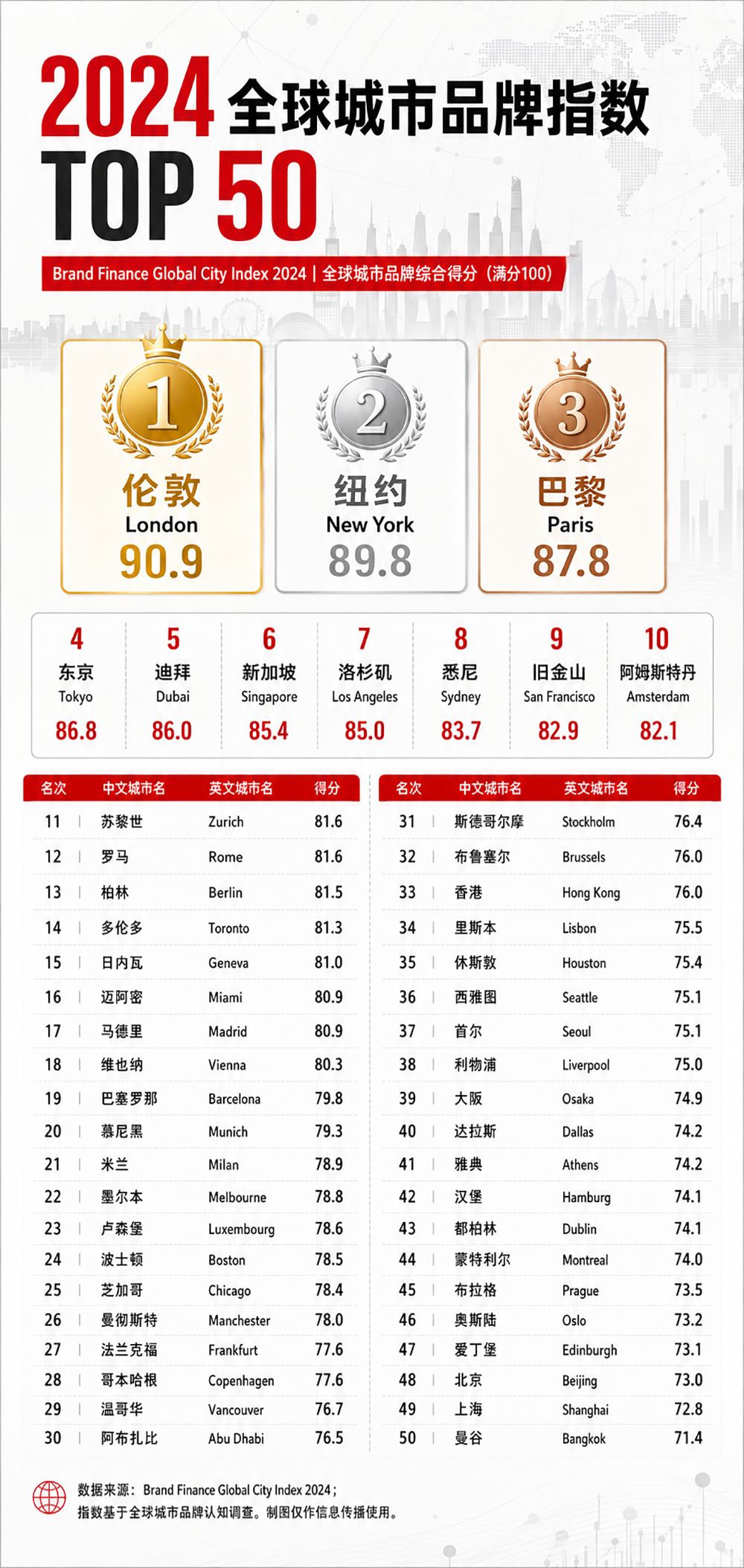
- •Cities need to set their own agendas and define their role in the global economy to attract investment.
🧠 Deep Insight
AI-generated analysis for this event — not the original article.
🔑 Enhanced Key Takeaways
- •The concept of 'Place Branding' has shifted from static logo-based identity to 'City Narrative Economics,' where cities like Singapore and Dubai utilize long-term strategic master plans to lower perceived investment risk.
- •Behavioral economics research indicates that city narratives function as 'coordination devices,' reducing information asymmetry for global investors by signaling future regulatory and infrastructure priorities.
- •NVIDIA's 'AI Factory' model, cited in the article, is being actively adopted by municipal governments in the US and EU to rebrand industrial zones as 'compute-centric' hubs to attract data center capital.
- •Urban development experts note that cities failing to transition from 'slogan-based marketing' to 'narrative-based development' suffer from 'brand dilution,' where high marketing spend fails to correlate with increased Foreign Direct Investment (FDI).
- •The rise of 'Digital Nomad' and 'Remote Work' hubs has forced cities to adopt narrative-driven branding that emphasizes lifestyle-as-a-service (LaaS) rather than traditional industrial output.
🔮 Future ImplicationsAI analysis grounded in cited sources
⏳ Timeline
Weekly AI Recap
Read this week's curated digest of top AI events →
👉Related Updates


AI-curated news aggregator. All content rights belong to original publishers.
Original source: 虎嗅 ↗
This is a summary, not the original. Read the source, or get the weekly briefing.
The weekly digest
One email a week. Unsubscribe anytime.