Framework CEO on RAM Crisis and Linux Laptops
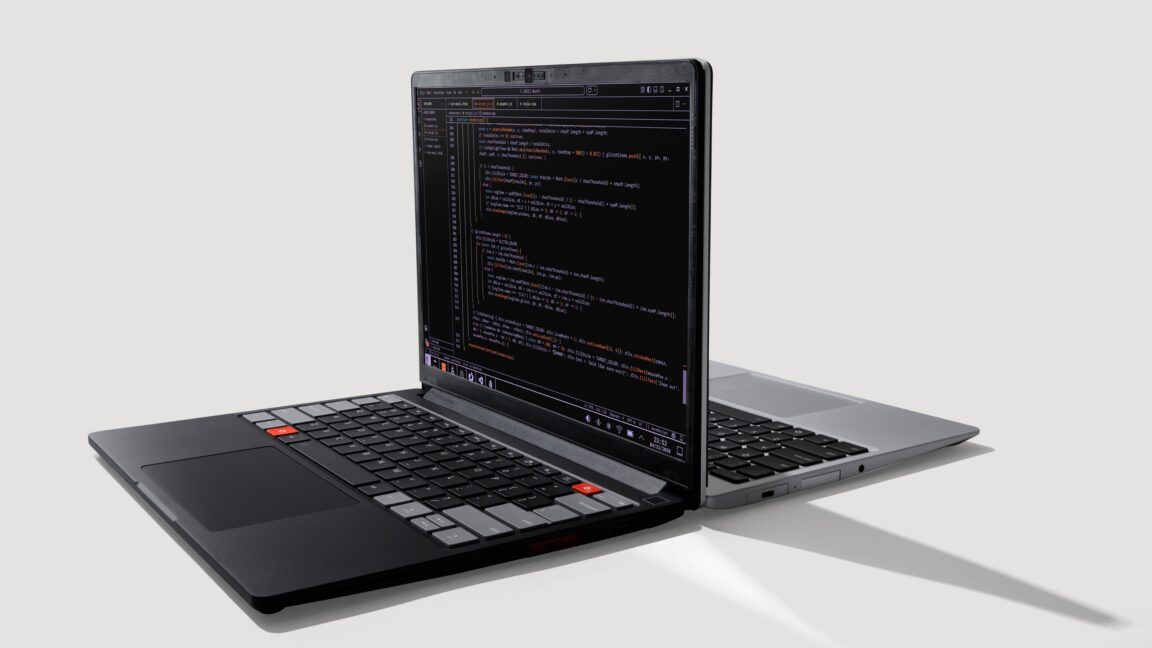
💡RAM crisis hits Linux dev laptops; key for AI builders needing portable high-RAM setups.
⚡ 30-Second TL;DR
What Changed
RAM supply crisis delaying laptop production
Why It Matters
RAM shortages may limit high-memory laptops for AI developers running local models on Linux. Framework's Linux focus supports portable dev workflows amid supply constraints.
What To Do Next
Visit Framework's site to pre-order high-RAM Linux configs for ML prototyping.
Key Points
- •RAM supply crisis delaying laptop production
- •Positioned as premium 'MacBook Pro for Linux'
- •Higher Linux user base than Windows users
🧠 Deep Insight
AI-generated analysis for this event — not the original article.
🔑 Enhanced Key Takeaways
- •Framework has shifted its supply chain strategy to prioritize LPDDR5X modules to mitigate the specific memory shortages impacting their high-performance laptop tiers.
- •The company is actively collaborating with upstream firmware developers to improve coreboot and open-source BIOS support, aiming to reduce dependency on proprietary binary blobs for Linux compatibility.
- •Framework's internal data indicates that while Linux users represent the majority of their active customer base, the 'MacBook Pro' performance tier is specifically targeting power users who require high-speed, user-replaceable memory configurations.
📊 Competitor Analysis▸ Show
| Feature | Framework Laptop 16 | System76 Pangolin | Dell XPS 13 Plus (Dev Ed) |
|---|---|---|---|
| Repairability | High (Modular) | Moderate | Low |
| OS Support | Linux/Windows/ChromeOS | Pop!_OS/Ubuntu | Ubuntu/Windows |
| RAM | User-replaceable (DDR5) | User-replaceable | Soldered |
| Pricing | Mid-to-High | Mid | High |
🛠️ Technical Deep Dive
- •Utilizes a modular expansion card system for I/O, allowing users to swap between USB-C, HDMI, and DisplayPort without internal chassis modifications.
- •Mainboard architecture features a socketed CPU design (on specific models) and standard SO-DIMM slots to facilitate long-term component upgrades.
- •Firmware utilizes an open-source EC (Embedded Controller) firmware, allowing for community-driven power management optimizations and custom keyboard mapping.
- •Display panels are connected via standard eDP (Embedded DisplayPort) connectors, enabling users to replace or upgrade screens without replacing the entire lid assembly.
🔮 Future ImplicationsAI analysis grounded in cited sources
⏳ Timeline
Weekly AI Recap
Read this week's curated digest of top AI events →
👉Related Updates
AI-curated news aggregator. All content rights belong to original publishers.
Original source: Ars Technica ↗
This is a summary, not the original. Read the source, or get the weekly briefing.
The weekly digest
One email a week. Unsubscribe anytime.