來源Ars Technica•較早收集於 70m
Framework 執行長談 RAM 危機與 Linux 筆電
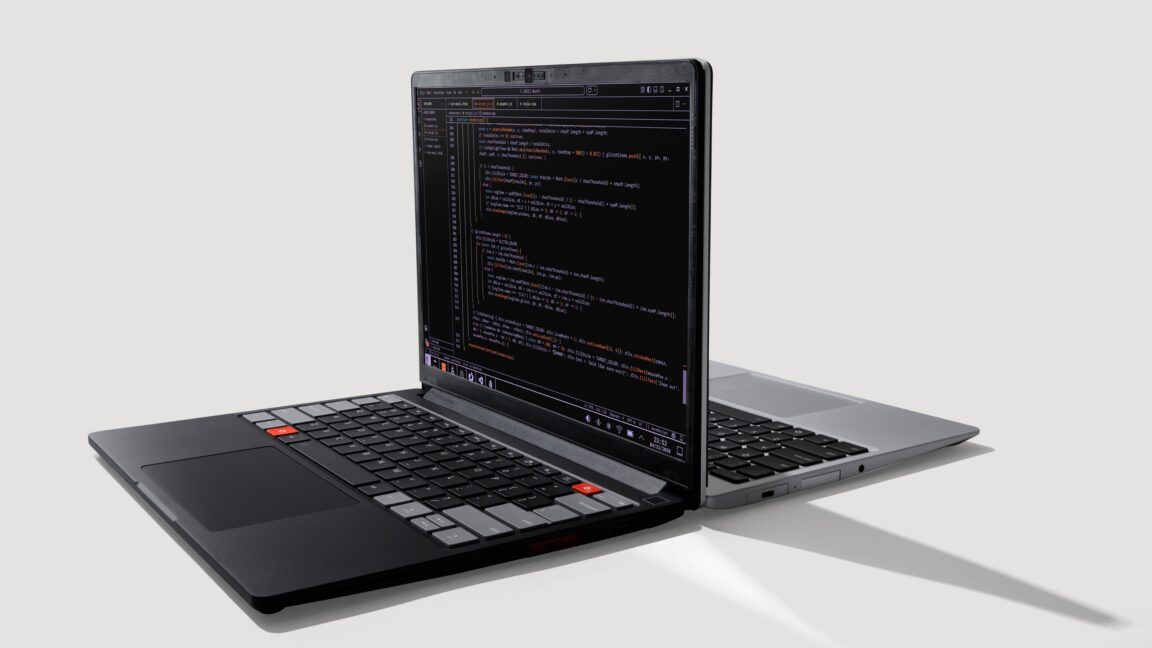
💡RAM 危機影響 Linux 開發筆電;對需要可攜高 RAM 設定的 AI 建構者關鍵。(36字元)
⚡ 30 秒速覽
有什麼變化
RAM 供應危機延遲筆電生產
為什麼重要
RAM 短缺可能限制 AI 開發者在 Linux 上運行本地模型的高記憶體筆電。Framework 的 Linux 焦點支援供應限制下的可攜開發工作流程。
下一步行動
造訪 Framework 網站預購高 RAM Linux 配置,用於 ML 原型開發。
誰應關注:Developers & AI Engineers
關鍵要點
- •RAM 供應危機延遲筆電生產
- •定位為 Linux 高端「MacBook Pro」
- •Linux 使用者多於 Windows 使用者
🧠 深度解析
本篇為 AI 生成分析,非原文內容。
🔑 增強重點摘要
- •Framework has shifted its supply chain strategy to prioritize LPDDR5X modules to mitigate the specific memory shortages impacting their high-performance laptop tiers.
- •The company is actively collaborating with upstream firmware developers to improve coreboot and open-source BIOS support, aiming to reduce dependency on proprietary binary blobs for Linux compatibility.
- •Framework's internal data indicates that while Linux users represent the majority of their active customer base, the 'MacBook Pro' performance tier is specifically targeting power users who require high-speed, user-replaceable memory configurations.
📊 競品分析▸ Show
| Feature | Framework Laptop 16 | System76 Pangolin | Dell XPS 13 Plus (Dev Ed) |
|---|---|---|---|
| Repairability | High (Modular) | Moderate | Low |
| OS Support | Linux/Windows/ChromeOS | Pop!_OS/Ubuntu | Ubuntu/Windows |
| RAM | User-replaceable (DDR5) | User-replaceable | Soldered |
| Pricing | Mid-to-High | Mid | High |
🛠️ 技術深入
- •Utilizes a modular expansion card system for I/O, allowing users to swap between USB-C, HDMI, and DisplayPort without internal chassis modifications.
- •Mainboard architecture features a socketed CPU design (on specific models) and standard SO-DIMM slots to facilitate long-term component upgrades.
- •Firmware utilizes an open-source EC (Embedded Controller) firmware, allowing for community-driven power management optimizations and custom keyboard mapping.
- •Display panels are connected via standard eDP (Embedded DisplayPort) connectors, enabling users to replace or upgrade screens without replacing the entire lid assembly.
🔮 前景展望基於引用來源的 AI 分析
Framework will transition to a direct-to-consumer modular component subscription model.
The ongoing supply chain volatility for RAM and other components necessitates a more predictable inventory management system tied to user demand.
The company will release a dedicated 'Linux-first' mainboard with no proprietary firmware components.
The high concentration of Linux users in their customer base provides a strong economic incentive to eliminate binary blob dependencies.
⏳ 時間線
2021-07
Framework launches the first modular Framework Laptop 13.
2022-05
Framework introduces the Framework Laptop DIY Edition to increase user customization.
2023-07
Framework announces the high-performance Framework Laptop 16 with modular GPU support.
2024-11
Framework expands official support for additional Linux distributions including Fedora and Manjaro.
2026-02
Framework reports record-high Linux user adoption rates surpassing Windows installations.
📰
AI 週報
閱讀本週精選 AI 大事摘要 →
👉相關動態
AI 策展新聞聚合。所有內容版權歸原始發布者所有。
原始來源: Ars Technica ↗
每週電子報
每週一封,可隨時退訂。