Figma introduces Figma Motion with AI-powered animation features
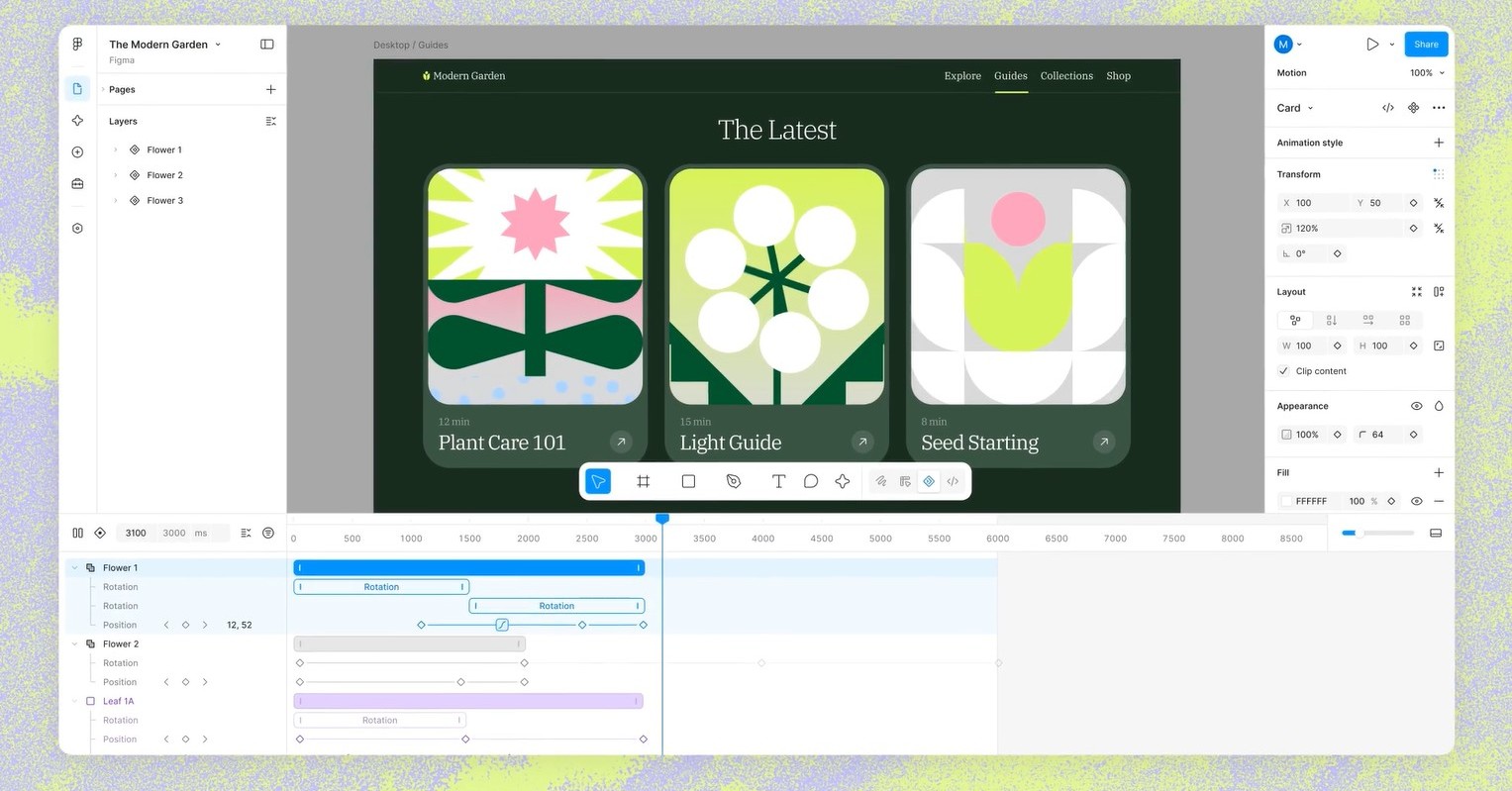
Figma adds AI-driven motion design, potentially replacing external animation tools for UI/UX prototyping.
30-Second TL;DR
What Changed
Introduces timeline-based keyframe animation within the Figma interface.
Why It Matters
This update bridges the gap between static UI design and interactive prototyping, potentially reducing the need for external motion tools. It signals Figma's strategic move to become an all-in-one platform for product design and motion graphics.
What To Do Next
Explore the Figma Motion beta to test how AI-generated transitions can speed up your high-fidelity prototyping workflow.
Key Points
- •Introduces timeline-based keyframe animation within the Figma interface.
- •Integrates AI-powered tools to automate and assist in animation generation.
- •Community feedback highlights a nostalgic resemblance to the classic Adobe Flash workflow.
- •Positioned as a professional-grade motion design tool for UI/UX designers.
Deep Insight
AI-generated analysis for this event — not the original article.
Enhanced Key Takeaways
- •Figma Motion utilizes a proprietary 'Motion-LLM' architecture specifically trained on high-fidelity Lottie and SVG animation sequences to predict easing curves and transition states.
- •The tool introduces 'Smart Interpolation' which allows designers to convert static Figma Auto Layout frames into dynamic motion paths without manual keyframe placement.
- •Integration with Figma's existing prototyping engine allows for direct export to production-ready code, supporting React Spring and Framer Motion syntax natively.
- •The release includes a 'Motion Library' feature that enables teams to share and version-control reusable animation tokens across design systems.
- •Figma has implemented a 'Motion Safety' layer that automatically checks for accessibility compliance, such as reducing motion for users with vestibular disorders based on system preferences.
Competitor Analysis
- Figma Motion
- UI/UX Motion
- Adobe After Effects
- High-end VFX/Motion
- Rive
- Interactive Runtime
- Framer
- Web Prototyping
- Figma Motion
- Native/Generative
- Adobe After Effects
- Limited (Generative Fill)
- Rive
- Scripting-based
- Framer
- Component-based
- Figma Motion
- Included in Pro/Org
- Adobe After Effects
- Subscription (CC)
- Rive
- Freemium
- Framer
- Subscription
- Figma Motion
- Low (Figma-native)
- Adobe After Effects
- Very High
- Rive
- Medium
- Framer
- Low
| Feature | Figma Motion | Adobe After Effects | Rive | Framer |
|---|---|---|---|---|
| Primary Focus | UI/UX Motion | High-end VFX/Motion | Interactive Runtime | Web Prototyping |
| AI Integration | Native/Generative | Limited (Generative Fill) | Scripting-based | Component-based |
| Pricing | Included in Pro/Org | Subscription (CC) | Freemium | Subscription |
| Learning Curve | Low (Figma-native) | Very High | Medium | Low |
Technical Deep Dive
- Architecture: Built on a transformer-based model optimized for vector path manipulation and temporal data sequences.
- Rendering Engine: Leverages a WebGL-accelerated canvas to ensure 60fps performance directly within the browser-based Figma environment.
- Data Format: Uses an extended JSON-based schema compatible with Lottie, allowing for seamless handoff to engineering teams.
- AI Training: The model was trained on a curated dataset of open-source motion design patterns and industry-standard UI animation libraries.
Future ImplicationsAI analysis grounded in cited sources
Timeline
- 2016-09Figma launches its first public version, focusing on browser-based collaborative design.
- 2021-04Figma introduces 'Smart Animate' to enable basic transitions between frames.
- 2023-06Figma acquires Diagram, an AI design tool company, signaling a shift toward AI-assisted workflows.
- 2024-06Figma launches 'Figma AI' suite, introducing features like 'Make Designs' and 'Rename Layers'.
- 2026-06Figma Motion is officially released, marking the transition to timeline-based animation.
Weekly AI Recap
Read this week's curated digest of top AI events →
Related Updates
AI-curated news aggregator. All content rights belong to original publishers.
Original source: ITmedia AI+ (日本) ↗
This is a summary, not the original. Read the source, or get the weekly briefing.
The weekly digest
One email a week. Unsubscribe anytime.