FAA Revises Noise Standards for Supersonic Commercial Flights
💡Regulatory changes in aviation often signal new opportunities for AI-driven flight optimization and logistics tech.
⚡ 30-Second TL;DR
What Changed
FAA is replacing the 1973 supersonic flight ban with new regulatory frameworks.
Why It Matters
This regulatory shift could open new markets for high-speed logistics and travel, potentially influencing future infrastructure requirements for AI-driven autonomous flight systems.
What To Do Next
Monitor FAA regulatory updates if you are building AI-driven flight path optimization or noise-reduction software for aviation.
Key Points
- •FAA is replacing the 1973 supersonic flight ban with new regulatory frameworks.
- •The new standards are based on performance-based noise metrics.
- •This move aims to facilitate the return of commercial supersonic passenger travel.
🧠 Deep Insight
AI-generated analysis for this event — not the original article.
🔑 Enhanced Key Takeaways
- •The FAA's regulatory shift specifically targets 'low-boom' supersonic technology, which aims to reduce the sonic boom to a soft 'thump' that is acceptable for overland flight.
- •These standards are being developed in alignment with international efforts led by the International Civil Aviation Organization (ICAO) to harmonize noise certification requirements globally.
- •The new framework utilizes a noise certification process that measures Effective Perceived Noise Level (EPNL) specifically tailored for supersonic aircraft characteristics rather than traditional subsonic jet standards.
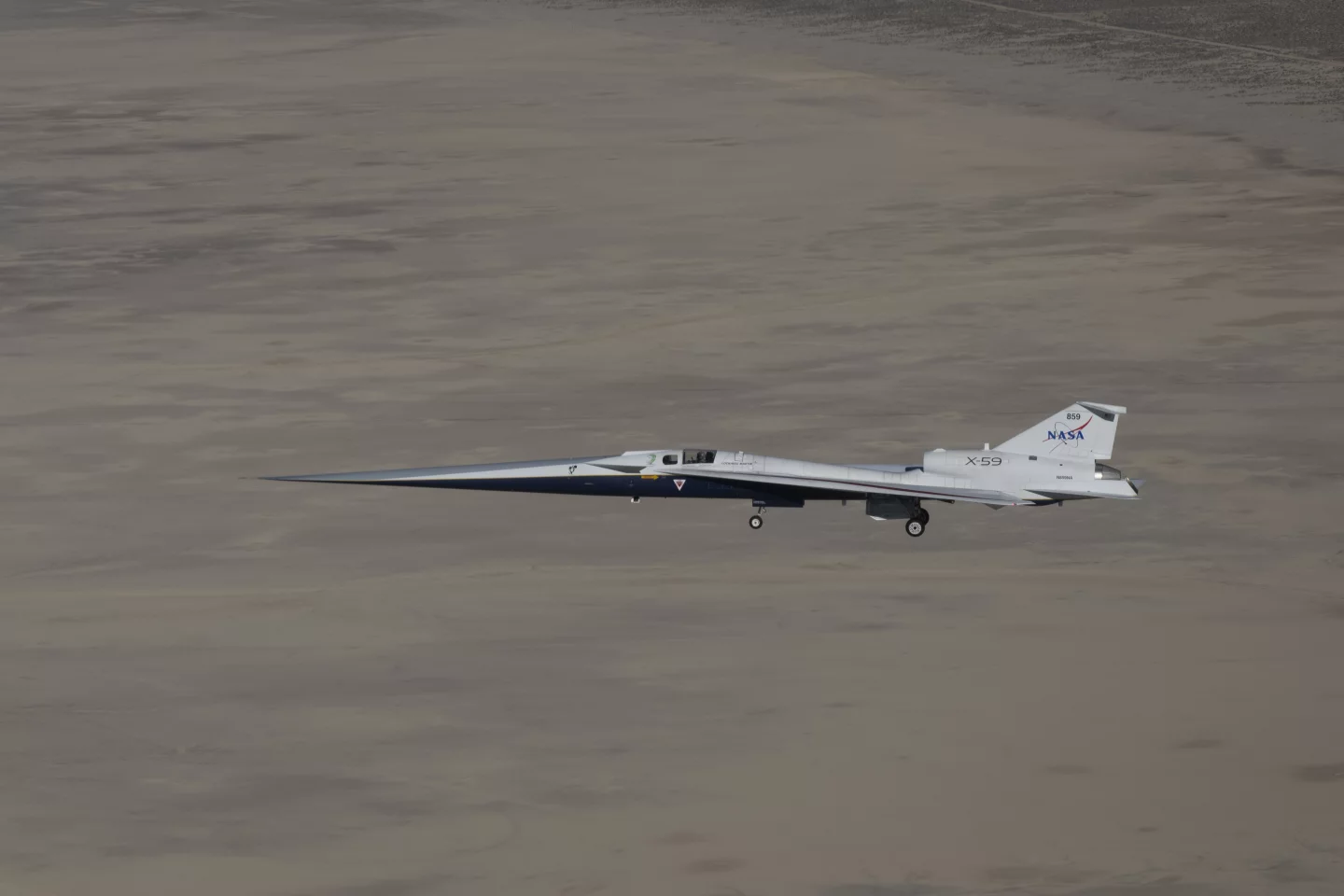
- •This regulatory evolution is heavily influenced by data gathered from NASA's X-59 QueSST (Quiet SuperSonic Technology) flight test program, which provides empirical evidence on community response to low-boom signatures.
- •The FAA is implementing a 'special flight authorization' process for supersonic testing, allowing manufacturers to conduct flight tests while the permanent rulemaking process is finalized.
🛠️ Technical Deep Dive
- The noise certification standards focus on the EPNL (Effective Perceived Noise Level) metric, which accounts for the duration and frequency content of the sonic boom.
- Regulatory thresholds are being set based on the 'perceived noise' levels at ground-based monitoring stations, targeting a reduction to approximately 75 PLdB (Perceived Level decibels).
- The framework incorporates advanced computational fluid dynamics (CFD) modeling requirements to predict shockwave propagation through varying atmospheric conditions.
- Certification requires demonstrating that the aircraft's acoustic signature does not exceed specific peak overpressure limits during cruise and transonic acceleration phases.
🔮 Future ImplicationsAI analysis grounded in cited sources
⏳ Timeline
Weekly AI Recap
Read this week's curated digest of top AI events →
👉Related Updates




AI-curated news aggregator. All content rights belong to original publishers.
Original source: cnBeta (Full RSS) ↗
This is a summary, not the original. Read the source, or get the weekly briefing.
Weekly AI briefing
One email a week. Unsubscribe anytime.