Epic Games rebuilding launcher for 5x faster performance
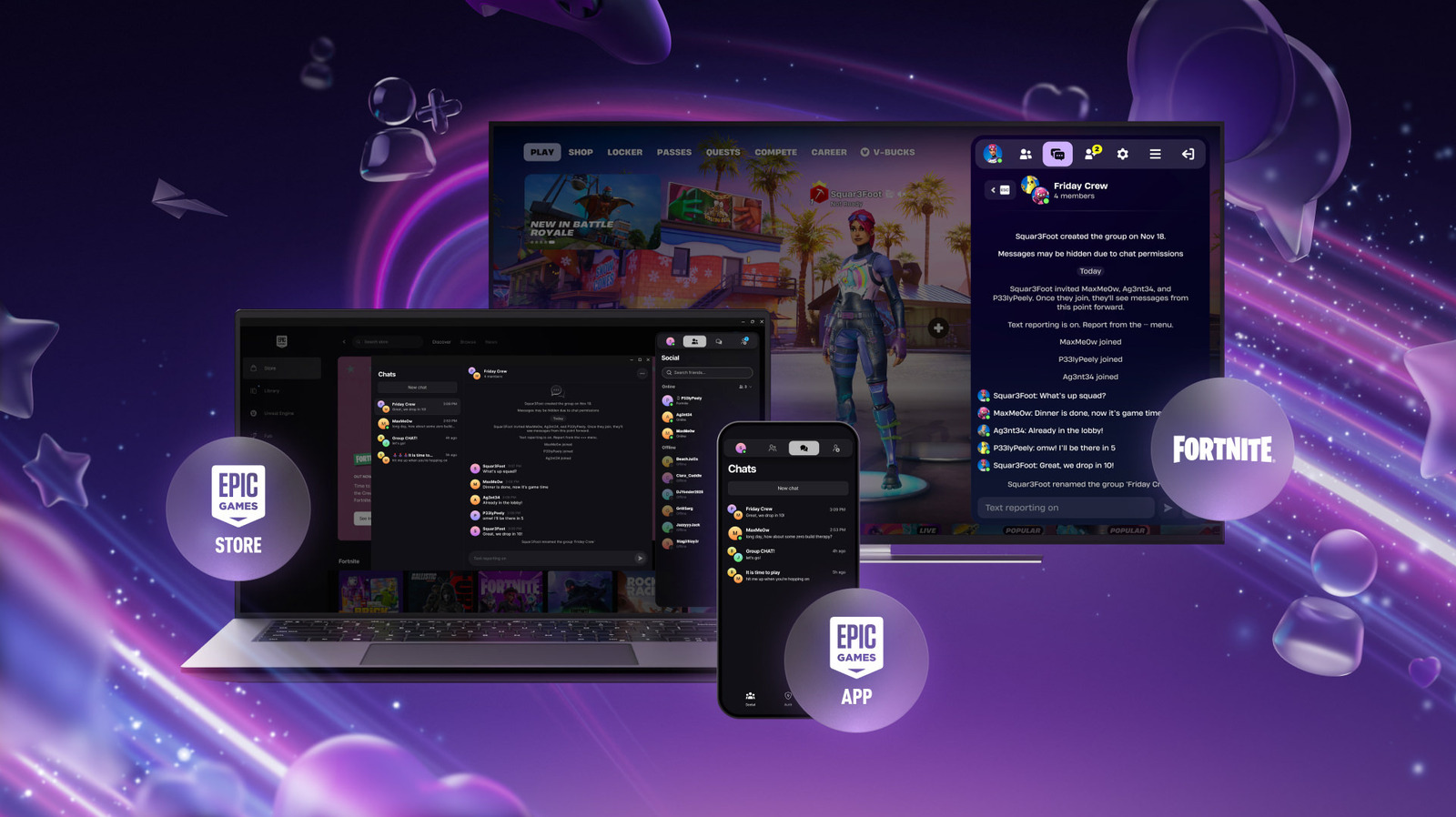
Learn how Epic's infrastructure overhaul could impact the distribution speed of large-scale AI-integrated applications.
30-Second TL;DR
What Changed
Epic is performing a complete ground-up rebuild of the Epic Games Launcher.
Why It Matters
A faster launcher improves the developer and user experience for distributing high-performance applications, including AI-driven games and tools.
What To Do Next
Monitor the Epic Games Launcher update logs if you are distributing AI-integrated software to optimize your deployment pipeline.
Key Points
- •Epic is performing a complete ground-up rebuild of the Epic Games Launcher.
- •The new version aims to deliver a 5x increase in performance speed.
- •A private beta phase is scheduled prior to the public rollout.
Deep Insight
AI-generated analysis for this event — not the original article.
Enhanced Key Takeaways
- •The rebuild is primarily driven by a transition to a new underlying framework, moving away from the legacy Chromium Embedded Framework (CEF) implementation that caused high resource consumption.
- •Epic Games is prioritizing a modular architecture to allow for faster updates and reduced memory footprint during background operations.
- •The initiative is part of a broader 'Epic 2.0' infrastructure overhaul aimed at unifying the backend services shared between the launcher, the Epic Games Store, and Unreal Engine tools.
- •Internal testing indicates that the 5x performance claim specifically targets 'cold start' times and library navigation responsiveness on mid-range hardware.
- •The new launcher will introduce a 'Lite' mode option, allowing users to run the application with significantly reduced background processes when not actively downloading games.
Competitor Analysis
- Epic Games Launcher (V2)
- Modular/Native-focused
- Steam
- CEF-based
- EA App
- CEF-based
- Epic Games Launcher (V2)
- Optimized (Targeted)
- Steam
- High
- EA App
- Moderate
- Epic Games Launcher (V2)
- Enhanced/Persistent
- Steam
- Standard
- EA App
- Limited
| Feature | Epic Games Launcher (V2) | Steam | EA App |
|---|---|---|---|
| Architecture | Modular/Native-focused | CEF-based | CEF-based |
| Resource Usage | Optimized (Targeted) | High | Moderate |
| Offline Mode | Enhanced/Persistent | Standard | Limited |
Technical Deep Dive
- Transitioning from a heavy CEF-based UI to a more native-rendering approach using a custom lightweight UI framework.
- Implementation of a new asynchronous asset-loading pipeline to prevent UI thread blocking during library synchronization.
- Shift to a Rust-based backend service layer for handling network requests and local file system operations to improve memory safety and speed.
- Integration of a new delta-patching system that reduces disk I/O overhead during game updates by up to 40%.
Future ImplicationsAI analysis grounded in cited sources
Timeline
- 2018-12Epic Games Store and Launcher officially launch to compete with Steam.
- 2021-04Epic introduces 'Self-Service Refunds' and major UI updates to the launcher library.
- 2023-09Epic Games announces a company-wide restructuring and focus on core infrastructure efficiency.
- 2025-11Initial internal prototypes for the 'Launcher V2' architecture are finalized.
- 2026-05Epic Games begins private alpha testing of the new launcher framework with select partners.
Weekly AI Recap
Read this week's curated digest of top AI events →
Related Updates

AI-curated news aggregator. All content rights belong to original publishers.
Original source: Engadget ↗
This is a summary, not the original. Read the source, or get the weekly briefing.
The weekly digest
One email a week. Unsubscribe anytime.