Eliminating 'Unclear' Labels in Drug Manuals
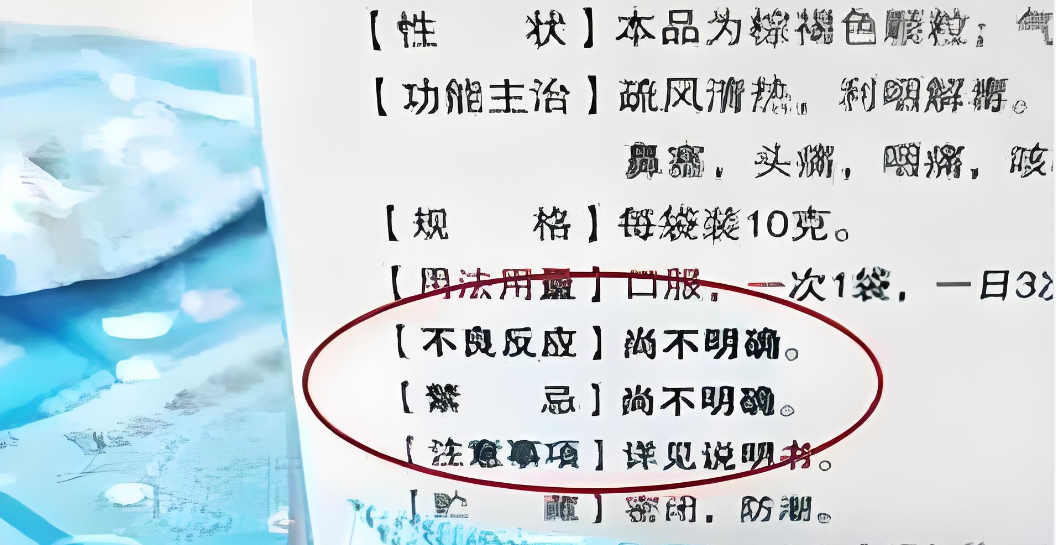
Learn how regulatory shifts in data transparency are setting new standards for AI-driven clinical documentation.
30-Second TL;DR
What Changed
Regulatory pressure is increasing to force pharmaceutical companies to provide definitive safety data.
Why It Matters
This shift reflects a broader trend toward data-driven accountability in highly regulated industries. AI practitioners in healthcare should anticipate stricter requirements for evidence-based clinical documentation.
What To Do Next
If building healthcare AI, implement automated verification pipelines that flag ambiguous clinical labels against structured trial databases.
Key Points
- •Regulatory pressure is increasing to force pharmaceutical companies to provide definitive safety data.
- •The term 'not yet clear' is being targeted as a loophole for manufacturers to avoid liability.
- •Policy shifts are designed to eliminate 'arbitrageurs' who exploit regulatory ambiguity.
Deep Insight
Background and context from public sources — not the original article. 16 sources cited.
Enhanced Key Takeaways
- •China's National Medical Products Administration (NMPA) is the specific regulator driving this policy, which is detailed in Article 75 of its special provisions on traditional Chinese medicine registration.
- •The regulatory push specifically targets Traditional Chinese Patent Medicines (TCMs) and is estimated to affect over 70% of China's approximately 57,000 valid approvals for these medicines, many of which currently lack complete post-marketing safety data.
- •Beyond eliminating 'unclear' labels, China's amended Implementing Regulations of the Drug Administration Law also mandate that Marketing Authorization Holders (MAHs) provide drug labels and package inserts in accessible formats, such as audio, large print, Braille, or electronic versions, to cater to individuals with disabilities and the elderly.
- •Globally, regulatory bodies like the U.S. FDA and the European Medicines Agency (EMA) enforce stringent and comprehensive drug labeling requirements, covering aspects like indications, dosage, warnings, and manufacturing details, to prevent medication errors and ensure patient safety.
- •Labeling errors are a significant contributor to drug recalls, accounting for approximately 8% of all FDA recalls between 2012 and 2023, underscoring the critical importance of precise and unambiguous information.
Technical Deep Dive
- **Serialization and Track & Trace**: Regulations like the U.S. Drug Supply Chain Security Act and the EU Falsified Medicines Directive mandate unique identifiers and 2D barcodes on drug packages to track products through the supply chain, combat counterfeiting, and enable rapid recalls.
- **Digital Labeling Initiatives**: There is a growing trend towards electronic labeling, including patient information leaflets accessible via QR codes, to enhance information dissemination and patient engagement.
- **Automated Labeling Systems**: Modern pharmaceutical labeling solutions often involve centralized document management systems, integration with Manufacturing Execution Software (MES) and Enterprise Resource Planning (ERP) systems, and cloud-based platforms to manage the entire label lifecycle, improve quality control, and streamline compliance processes.
- **Precision Printing Technologies**: Advanced methods such as direct UV laser marking are utilized to etch precise details, including dosages, onto individual drug units, ensuring legibility and accuracy.
Future ImplicationsAI analysis grounded in cited sources
Timeline
- 1906U.S. Pure Food and Drug Act passed, requiring accurate labeling of drug ingredients and effects.
- 1938U.S. Federal Food, Drug, and Cosmetic (FDC) Act mandated new drugs be proven safe before marketing and required detailed usage instructions and risk warnings on labels.
- 1962U.S. Kefauver-Harris Amendments required drugs to be proven effective for their intended use before approval.
- 2006U.S. FDA's Physician Labeling Rule (PLR) established modern standards for prescription drug labeling, including a 'Highlights' section.
- 2023-07China's NMPA regulation on Traditional Chinese Medicine (TCM) registration took effect, requiring Marketing Authorization Holders to strengthen full life-cycle management and update labeling.
- 2026-01-27China's State Council published the amended Implementing Regulations of the Drug Administration Law, including provisions for accessible labeling.
Sources (16)
Factual claims are grounded in the sources below. Forward-looking analysis is AI-generated interpretation.
Weekly AI Recap
Read this week's curated digest of top AI events →
AI-curated news aggregator. All content rights belong to original publishers.
Original source: 钛媒体 ↗
This is a summary, not the original. Read the source, or get the weekly briefing.
The weekly digest
One email a week. Unsubscribe anytime.