Electrification moves to the center of global climate policy
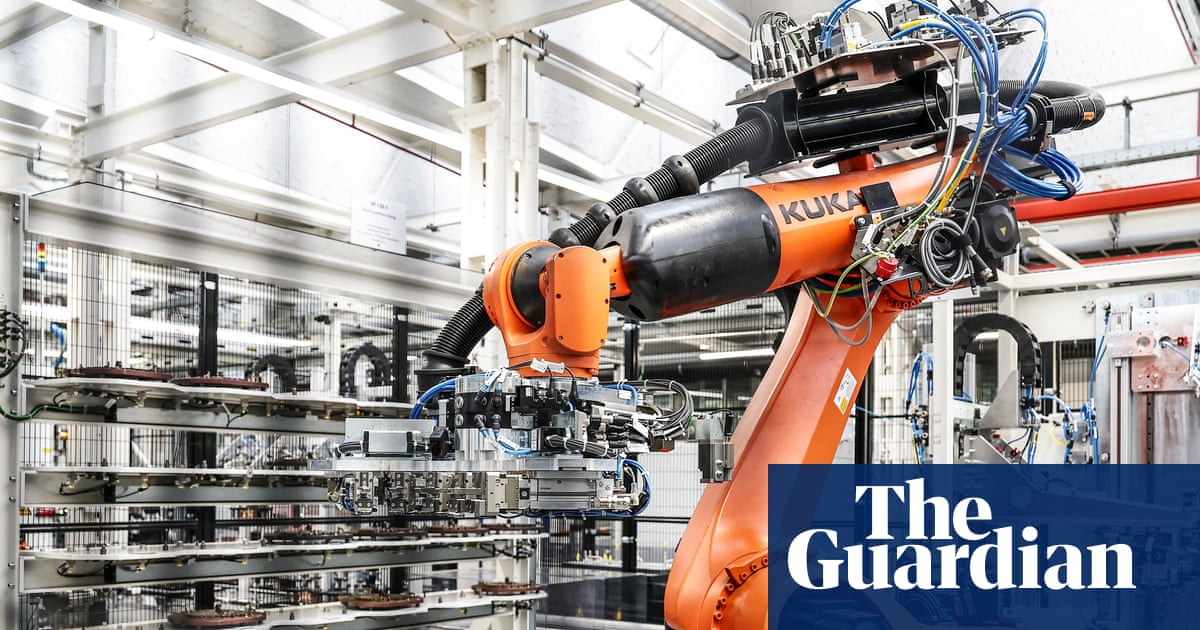
💡Understand the massive infrastructure shift driving demand for AI-powered energy grid optimization and management.
⚡ 30-Second TL;DR
What Changed
Electrification is now a primary strategy for phasing out the 80% of global energy currently derived from hydrocarbons.
Why It Matters
The shift toward massive electrification creates significant opportunities for AI-driven energy grid management and optimization. Practitioners should prepare for increased demand in smart grid software and predictive maintenance tools.
What To Do Next
Explore energy optimization APIs like Google's Carbon Footprint or open-source grid modeling tools to build AI solutions for industrial energy efficiency.
Key Points
- •Electrification is now a primary strategy for phasing out the 80% of global energy currently derived from hydrocarbons.
- •Transitioning to electrical energy is significantly more efficient than combustion-based processes.
- •Global energy demand could potentially be halved through widespread electrification of transport and industry.
🧠 Deep Insight
AI-generated analysis for this event — not the original article.
🔑 Enhanced Key Takeaways
- •The International Energy Agency (IEA) has identified 'electrification of everything' as a critical pillar in its Net Zero by 2050 scenario, requiring a tripling of global investment in electricity grids by 2030.
- •Heat pump deployment has become a primary metric for policy success, with global sales growing by double digits annually as they replace gas boilers in residential and commercial sectors.
- •The integration of Vehicle-to-Grid (V2G) technology is being piloted in major markets to allow electric vehicle fleets to act as distributed energy storage, stabilizing grids during peak demand.
- •Industrial electrification faces significant hurdles in 'hard-to-abate' sectors like steel and cement, where high-temperature electric arc furnaces and hydrogen-based electrolysis are replacing coal-fired processes.
- •Digitalization and AI-driven smart grid management are essential to handle the increased load volatility caused by the shift from centralized fossil fuel plants to decentralized, intermittent renewable energy sources.
🛠️ Technical Deep Dive
- Efficiency Gains: Electric motors typically achieve 85-95% efficiency in converting energy to motion, compared to 20-30% for internal combustion engines.
- Grid Architecture: Transition requires a shift from unidirectional power flow to bidirectional, decentralized microgrids supported by high-voltage direct current (HVDC) transmission lines.
- Storage Integration: Implementation relies on lithium-ion battery energy storage systems (BESS) for short-duration balancing and long-duration storage technologies like pumped hydro or green hydrogen electrolysis.
- Demand Response: Utilization of automated demand-side management (DSM) protocols to shift non-essential industrial and residential loads to periods of high renewable generation.
🔮 Future ImplicationsAI analysis grounded in cited sources
⏳ Timeline
Weekly AI Recap
Read this week's curated digest of top AI events →
👉Related Updates
AI-curated news aggregator. All content rights belong to original publishers.
Original source: The Guardian Technology ↗
This is a summary, not the original. Read the source, or get the weekly briefing.
Weekly AI briefing
One email a week. Unsubscribe anytime.