Drunk Driver Sleeps in Smart Drive on Road
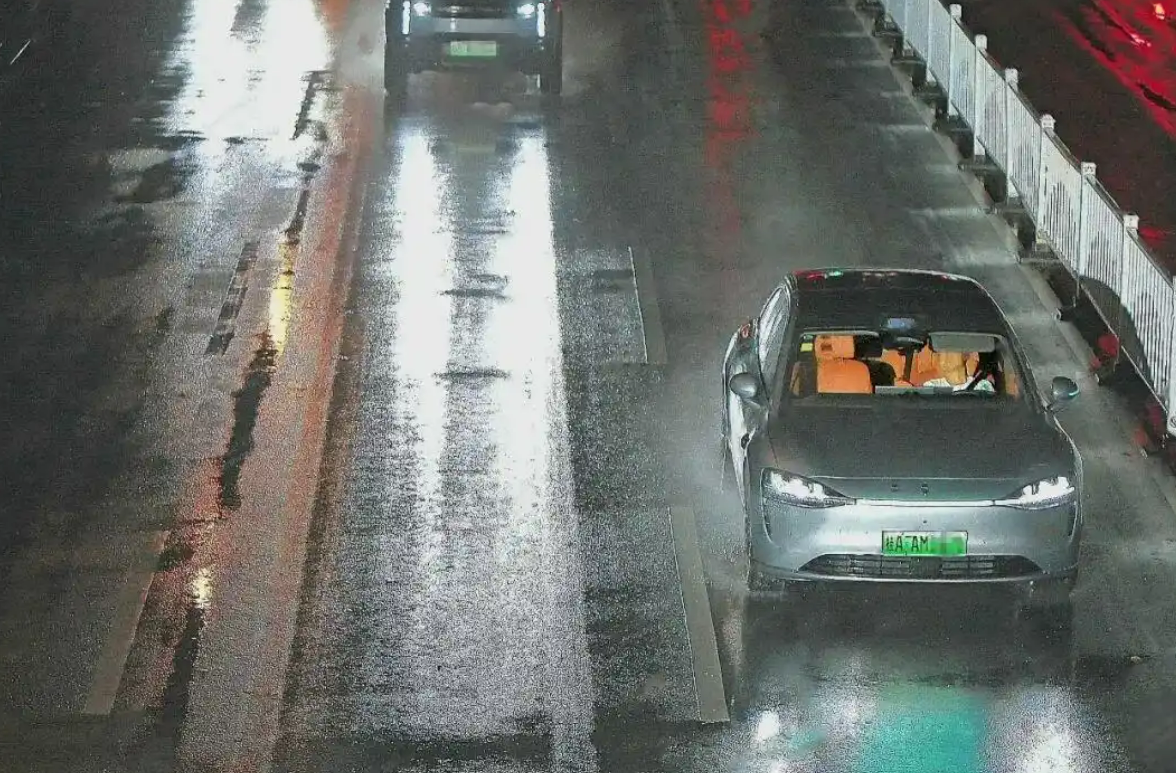
Real-world ADAS misuse exposes safety flaws in current intelligent driving systems
30-Second TL;DR
What Changed
Driver consumed alcohol then enabled '智驾' feature
Why It Matters
Highlights dangers of impaired misuse of ADAS, may prompt enhanced safety regulations for autonomous features in China.
What To Do Next
Audit driver monitoring algorithms in your ADAS stack for alcohol and drowsiness detection.
Key Points
- •Driver consumed alcohol then enabled '智驾' feature
- •Vehicle halted in road center, endangering traffic
- •Reported April 29 in Liuzhou, Guangxi
- •Penalties: 1300 RMB fine and 12 demerit points
Deep Insight
AI-generated analysis for this event — not the original article.
Enhanced Key Takeaways
- •The vehicle involved was identified as a Li Auto (Lixiang) model, which features the 'NOA' (Navigation on ADAS) intelligent driving system.
- •Local traffic police emphasized that current 'intelligent driving' systems are classified as Level 2 driver assistance, requiring the driver to remain alert and ready to take control at all times.
- •The incident has sparked renewed regulatory discourse in China regarding the marketing terminology of 'autonomous' or 'intelligent' driving features to prevent consumer over-reliance.
Future ImplicationsAI analysis grounded in cited sources
Weekly AI Recap
Read this week's curated digest of top AI events →
Related Updates



AI-curated news aggregator. All content rights belong to original publishers.
Original source: cnBeta (Full RSS) ↗
This is a summary, not the original. Read the source, or get the weekly briefing.
The weekly digest
One email a week. Unsubscribe anytime.