DRG/DIP 3.0 Reshapes Healthcare Payment
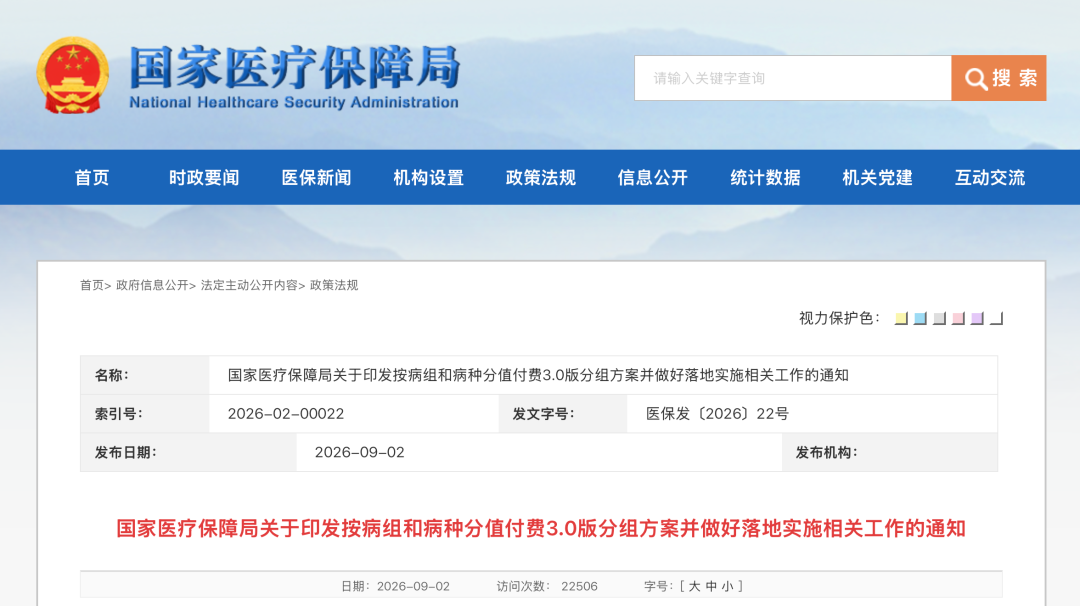
💡A major payment-rule shift creates demand for clinical coding, cost prediction, and healthcare AI infrastructure.
⚡ 30-Second TL;DR
What Changed
ADRG groups increase from 409 to 492, while DRG subgroups rise from 634 to 825.
Why It Matters
Hospitals will need to manage costs and clinical coding at the department and case level rather than relying only on annual budget controls. For AI vendors, the most concrete opportunity is helping providers forecast costs, improve coding accuracy, and optimize DRG/DIP grouping.
What To Do Next
Prototype a DRG/DIP 3.0 analytics pipeline that maps hospital case data to the new groups and flags likely exception-negotiation candidates.
Key Points
- •ADRG groups increase from 409 to 492, while DRG subgroups rise from 634 to 825.
- •The DIP core disease library contracts from 9,520 to 5,125 groups, but case coverage increases from 92% to 95%.
- •The first 158 primary-care conditions support equal payment for the same condition across different levels of providers.
- •Exception-based negotiation is capped at 5% of DRG discharges and 1% of DIP discharges from 2027.
- •Robot-assisted surgery receives dedicated DRG subgrouping, creating a clearer reimbursement pathway for innovative care.
Weekly AI Recap
Read this week's curated digest of top AI events →
👉Related Updates




AI-curated news aggregator. All content rights belong to original publishers.
Original source: 虎嗅 ↗
This is a summary, not the original. Read the source, or get the weekly briefing.
Weekly AI briefing
One email a week. Unsubscribe anytime.