Domestic travel agencies face systemic collapse
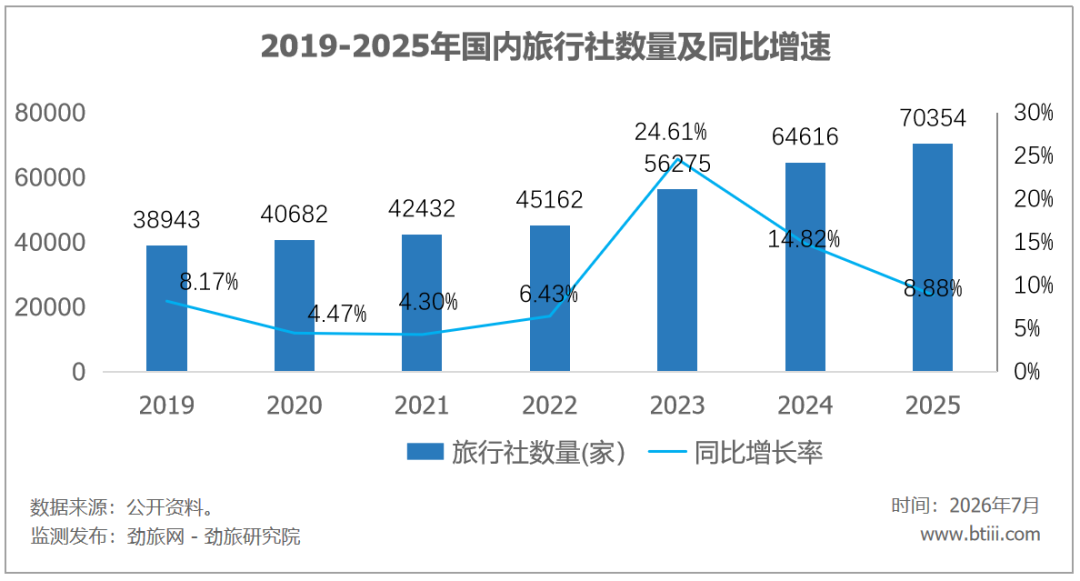
💡See how digital disruption and AI-driven platforms are causing the collapse of traditional travel agency business models
⚡ 30-Second TL;DR
What Changed
Travel agencies are seeing a 30-50% drop in orders as consumers prefer independent travel.
Why It Matters
The collapse of traditional travel intermediaries creates a vacuum for AI-driven, personalized travel planning platforms to fill.
What To Do Next
Explore opportunities to build AI-native travel planning agents that replace traditional human-led tour coordination.
Key Points
- •Travel agencies are seeing a 30-50% drop in orders as consumers prefer independent travel.
- •Regulatory crackdowns on low-quality, low-price tours are accelerating the exit of smaller agencies.
- •The industry is undergoing a survival-of-the-fittest phase, with over 6,000 agencies closing recently.
- •Future survival depends on resource ownership, content creation, or technical standardization.
🧠 Deep Insight
AI-generated analysis for this event — not the original article.
🔑 Enhanced Key Takeaways
- •The rise of 'experience-driven' tourism has shifted consumer demand toward niche, personalized services like glamping, cultural heritage tours, and outdoor sports, which traditional agencies are failing to curate.
- •Major OTA (Online Travel Agency) platforms are increasingly integrating AI-driven itinerary planners that directly compete with the human-led planning services previously offered by traditional agencies.
- •A significant portion of the agency closures is attributed to the 'post-pandemic debt overhang,' where agencies that survived 2020-2022 are now unable to sustain operations due to high fixed costs and low liquidity.
- •Government initiatives in China are shifting focus toward 'Smart Tourism' infrastructure, requiring agencies to possess digital capabilities that many legacy firms lack the capital to implement.
- •The 'Silver Economy' (aging population) is becoming the only demographic segment where traditional travel agencies still maintain a competitive advantage due to the need for guided, high-touch, and safety-oriented travel packages.
📊 Competitor Analysis▸ Show
| Feature | Traditional Travel Agencies | Online Travel Agencies (OTAs) | AI-Driven Travel Platforms |
|---|---|---|---|
| Pricing | High (Commission-based) | Competitive (Dynamic) | Low (Automated) |
| Personalization | Low (Standardized) | Medium (Algorithmic) | High (Generative AI) |
| Market Share | Declining | Dominant | Rapidly Growing |
| Operational Cost | High (Physical stores) | Low (Digital-first) | Very Low (Scalable) |
🔮 Future ImplicationsAI analysis grounded in cited sources
⏳ Timeline
Weekly AI Recap
Read this week's curated digest of top AI events →
👉Related Updates


AI-curated news aggregator. All content rights belong to original publishers.
Original source: 虎嗅 ↗
This is a summary, not the original. Read the source, or get the weekly briefing.
Weekly AI briefing
One email a week. Unsubscribe anytime.