Does using your phone while charging affect battery health?
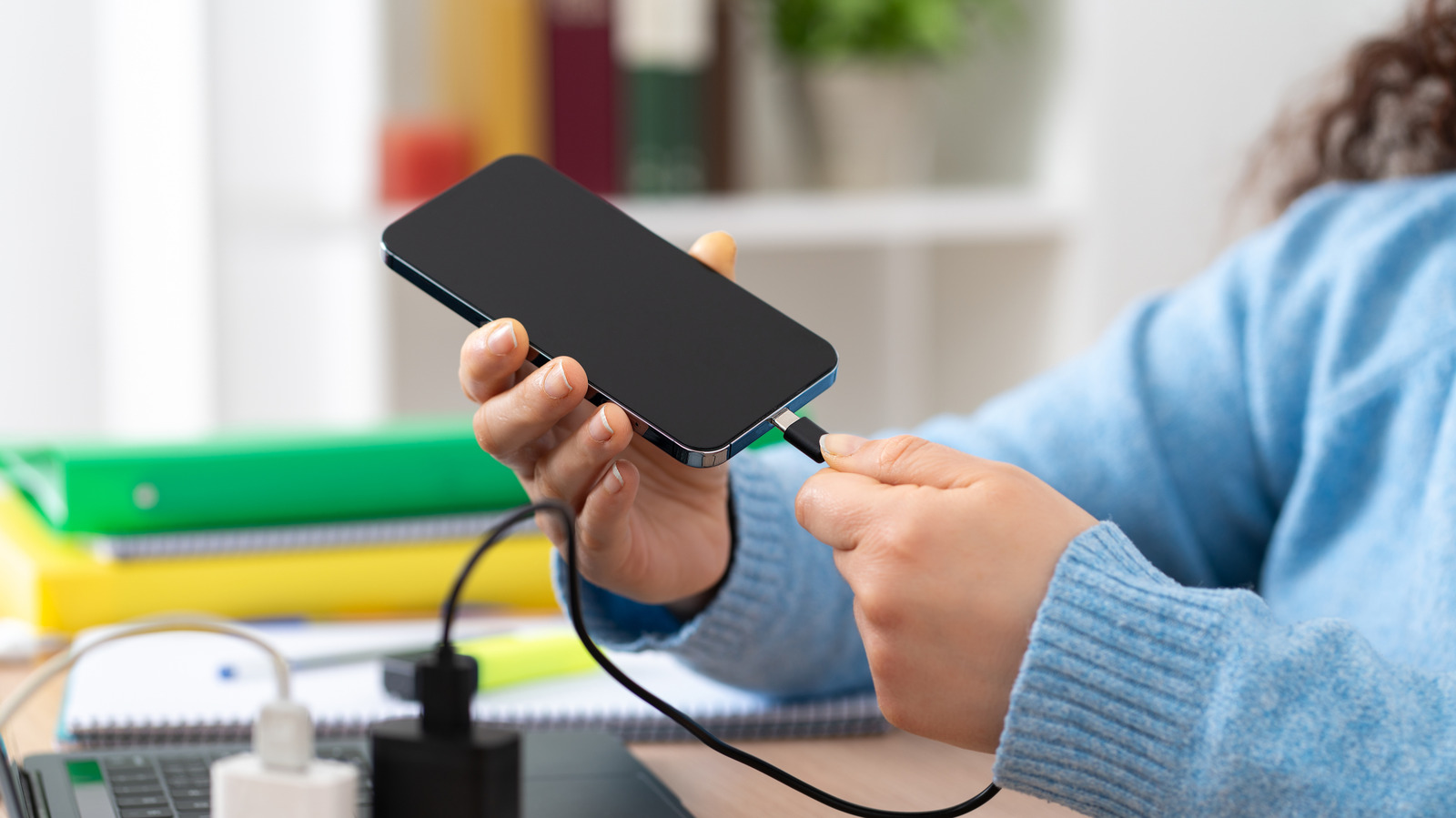
Essential thermal management insights for developers running intensive on-device AI models.
30-Second TL;DR
What Changed
Analyze the relationship between thermal stress and battery degradation
Why It Matters
Understanding battery thermal limits is crucial for developers running intensive on-device AI models. Excessive heat from concurrent tasks can trigger thermal throttling.
What To Do Next
Monitor device temperature via thermal APIs when deploying edge AI models to prevent long-term battery degradation.
Key Points
- •Analyze the relationship between thermal stress and battery degradation
- •Understand how concurrent power draw affects charging efficiency
- •Debunk common myths regarding smartphone battery maintenance
Deep Insight
AI-generated analysis for this event — not the original article.
Enhanced Key Takeaways
- •Modern Lithium-ion (Li-ion) batteries utilize Battery Management Systems (BMS) that prioritize thermal regulation, often throttling charging speeds when internal temperatures exceed 40°C (104°F) to prevent electrolyte decomposition.
- •The 'trickle charging' phase (the final 80-100% of a charge) is the most sensitive to concurrent usage, as the BMS must balance high-voltage input with active power draw, increasing the risk of micro-cycling.
- •Bypass charging (or 'Power Delivery' mode) is increasingly implemented in gaming-centric smartphones, allowing the device to power the SoC directly from the wall adapter, effectively bypassing the battery to eliminate heat generation during heavy loads.
- •High-wattage fast charging (100W+) creates significantly more localized heat at the charging controller compared to standard 15W-20W charging, making concurrent usage during fast charging more detrimental to long-term capacity retention.
- •Depth of Discharge (DoD) cycles are more damaging than concurrent usage; keeping a battery between 20% and 80% state-of-charge (SoC) mitigates the stress caused by simultaneous charging and usage more effectively than avoiding usage while plugged in.
Technical Deep Dive
- Battery Chemistry: Lithium-ion and Lithium-polymer cells rely on the movement of lithium ions between the cathode and anode; heat accelerates the formation of the Solid Electrolyte Interphase (SEI) layer, which increases internal resistance.
- Thermal Throttling: Smartphones utilize NTC (Negative Temperature Coefficient) thermistors to monitor battery temperature; if the threshold is breached, the PMIC (Power Management Integrated Circuit) reduces the current (Amperage) to protect cell integrity.
- Power Path Management: Modern PMICs feature power path management that allows the system to draw power from the external source while simultaneously charging the battery, though this creates a 'heat-doubling' effect if the SoC is under high load.
- Voltage Stress: Charging to 100% maintains the battery at a high voltage state (typically 4.2V to 4.4V), which promotes oxidation of the electrolyte; concurrent usage while at 100% can trigger repeated micro-discharge/charge cycles if the system power draw exceeds the charger's output.
Future ImplicationsAI analysis grounded in cited sources
Timeline
- 2010-06Introduction of early battery management circuits in smartphones to prevent overcharging.
- 2016-09Industry-wide focus on battery safety and thermal management following high-profile battery failure incidents.
- 2020-05Widespread adoption of 'Optimized Battery Charging' features in major mobile operating systems.
- 2023-02Mainstream introduction of 'Bypass Charging' features in gaming-focused smartphone hardware.
Weekly AI Recap
Read this week's curated digest of top AI events →
Related Updates

AI-curated news aggregator. All content rights belong to original publishers.
Original source: Engadget ↗
This is a summary, not the original. Read the source, or get the weekly briefing.
The weekly digest
One email a week. Unsubscribe anytime.