DLSS 5 Boosts Image Quality, But Latency Explodes
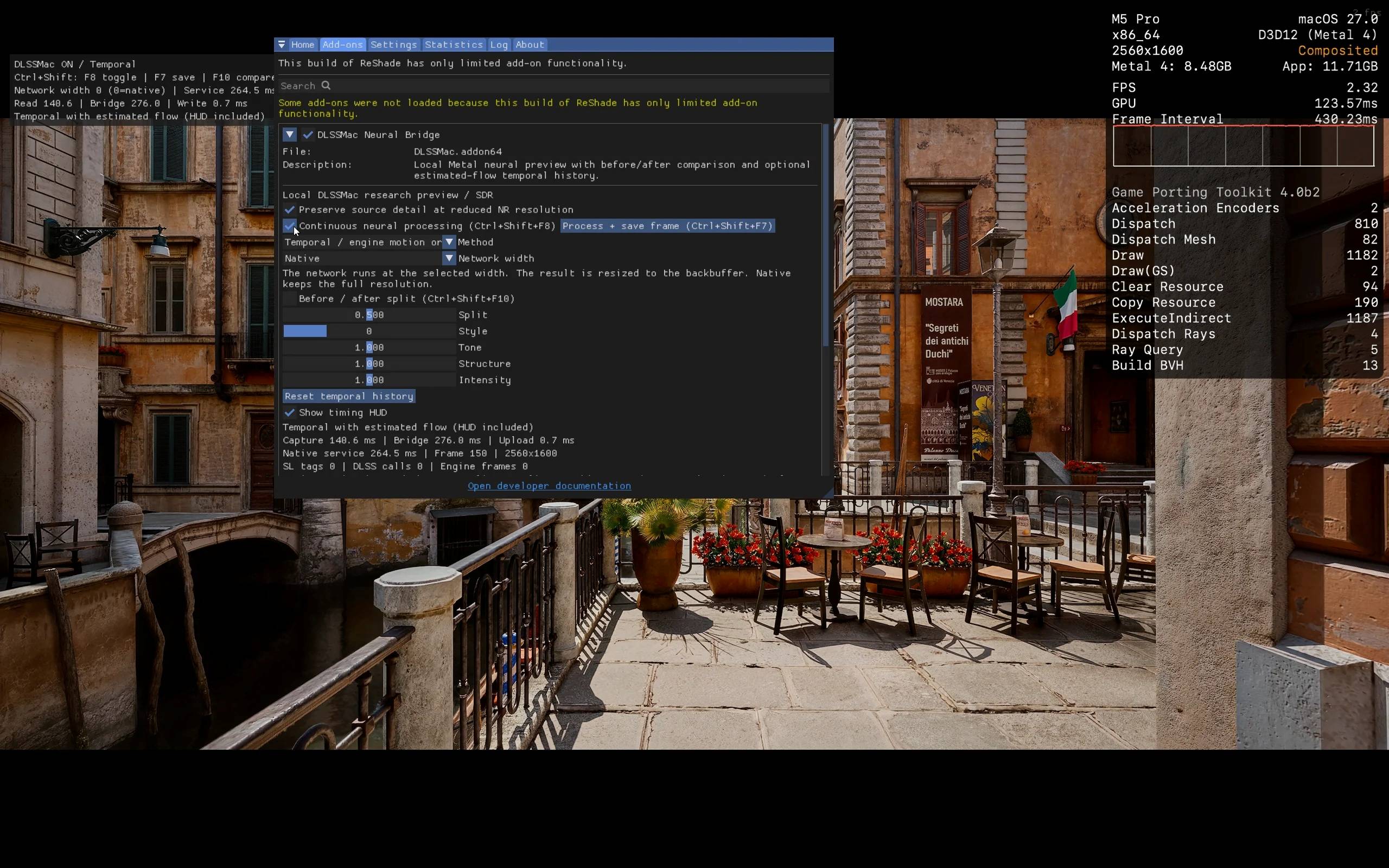
💡DLSS 5 may dramatically improve visuals, but this M5 Pro test exposes a severe real-time latency trade-off.
⚡ 30-Second TL;DR
What Changed
The test used an unofficial, experimental DLSS 5 implementation on Apple M5 Pro.
Why It Matters
The result highlights the trade-off between AI-based rendering quality and real-time responsiveness on non-NVIDIA hardware. Developers evaluating neural rendering should measure end-to-end latency, not just visual quality or output resolution.
What To Do Next
Benchmark DLSS 5-style neural rendering with frame time, input latency, and power measurements before considering it for an interactive application.
Key Points
- •The test used an unofficial, experimental DLSS 5 implementation on Apple M5 Pro.
- •Neural rendering delivered a major visual-quality improvement.
- •Frame rates fell to single digits during the test.
- •Input latency increased to approximately ten times that of a desktop RTX 5050.
Weekly AI Recap
Read this week's curated digest of top AI events →
👉Related Updates



AI-curated news aggregator. All content rights belong to original publishers.
Original source: cnBeta (Full RSS) ↗
This is a summary, not the original. Read the source, or get the weekly briefing.
Weekly AI briefing
One email a week. Unsubscribe anytime.