Defining 'Top-Tier' project retrospectives for organizational growth
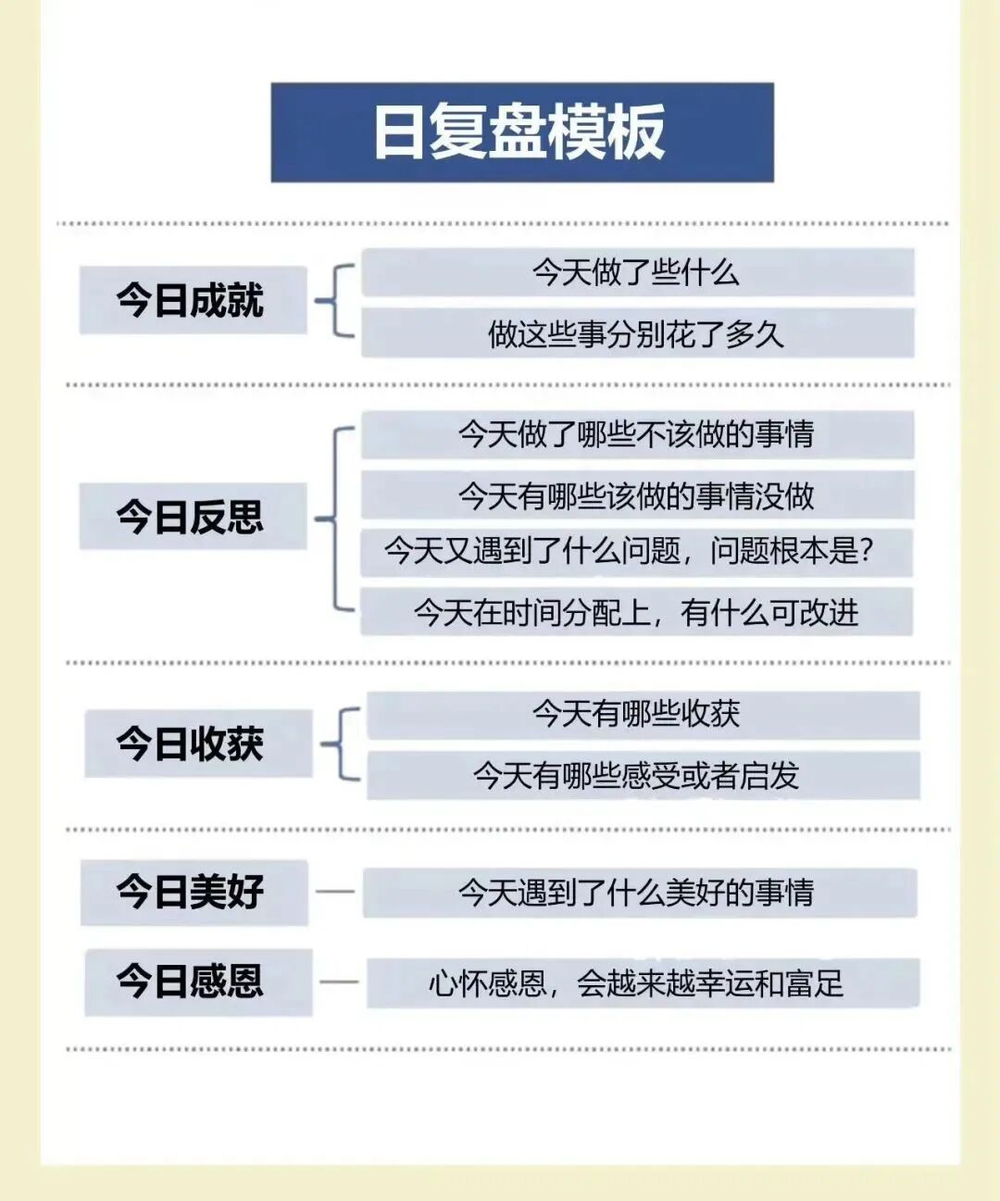
💡Learn how to transform project failures into actionable intelligence using advanced management frameworks.
⚡ 30-Second TL;DR
What Changed
Top-tier retrospectives move beyond blame to focus on value gain and systemic improvement.
Why It Matters
Provides a framework for engineering leaders to improve team performance through structured, deep-dive learning cycles.
What To Do Next
Implement a structured '5 Whys' session after your next sprint to identify systemic bottlenecks rather than individual errors.
Key Points
- •Top-tier retrospectives move beyond blame to focus on value gain and systemic improvement.
- •Utilize the '5 Whys' and 'Double-Loop Learning' to challenge underlying assumptions and mental models.
- •Effective retrospectives require psychological safety and cross-functional collaboration to build collective wisdom.
🧠 Deep Insight
AI-generated analysis for this event — not the original article.
🔑 Enhanced Key Takeaways
- •Modern retrospectives are increasingly integrating 'After Action Review' (AAR) methodologies originally developed by the U.S. Army to standardize knowledge transfer across decentralized units.
- •Data-driven retrospectives now utilize 'Blameless Post-Mortem' frameworks, popularized by SRE (Site Reliability Engineering) practices, to quantify systemic failure rates rather than individual performance.
- •The integration of AI-driven sentiment analysis tools is being used to objectively measure psychological safety levels within retrospective meetings by analyzing communication patterns.
- •High-performing organizations are shifting from periodic, project-based retrospectives to 'Continuous Retrospection' models that embed feedback loops directly into Agile sprint cadences.
- •Research indicates that 'Double-Loop Learning' implementation is significantly more effective when facilitated by neutral, third-party moderators rather than direct project managers.
🛠️ Technical Deep Dive
- Double-Loop Learning Implementation: Involves a two-stage feedback process where the first loop corrects errors within existing norms, and the second loop questions the governing variables (mental models) of the organization.
- 5 Whys Root Cause Analysis: A diagnostic technique that iteratively asks 'Why' to peel away layers of symptoms, typically reaching a systemic root cause within five iterations.
- Psychological Safety Metrics: Quantitative assessment via the Edmondson Scale, measuring team members' perceptions of the consequences of taking interpersonal risks.
🔮 Future ImplicationsAI analysis grounded in cited sources
Weekly AI Recap
Read this week's curated digest of top AI events →
👉Related Updates


AI-curated news aggregator. All content rights belong to original publishers.
Original source: 虎嗅 ↗
This is a summary, not the original. Read the source, or get the weekly briefing.
Weekly AI briefing
One email a week. Unsubscribe anytime.