CXMT DRAM capacity rivals Micron technology
💡Lower DRAM costs are critical for scaling AI infrastructure; track this new major player in the memory market.
⚡ 30-Second TL;DR
What Changed
CXMT is rapidly scaling DRAM production capacity
Why It Matters
Increased DRAM supply from CXMT could lower memory costs for AI hardware developers. This shift challenges the current dominance of major memory suppliers in the AI infrastructure market.
What To Do Next
Monitor memory pricing trends and supply chain diversification to optimize hardware procurement costs for AI clusters.
Key Points
- •CXMT is rapidly scaling DRAM production capacity
- •Market analysis positions CXMT as a major global competitor
- •Manufacturing scale now rivals Micron's output
🧠 Deep Insight
AI-generated analysis for this event — not the original article.
🔑 Enhanced Key Takeaways
- •CXMT has successfully transitioned to 17nm and 18nm process nodes, narrowing the technological gap with established leaders like Samsung, SK Hynix, and Micron.
- •The company's expansion is heavily supported by the China Integrated Circuit Industry Investment Fund (Big Fund), which has provided significant capital injections to accelerate domestic memory self-sufficiency.
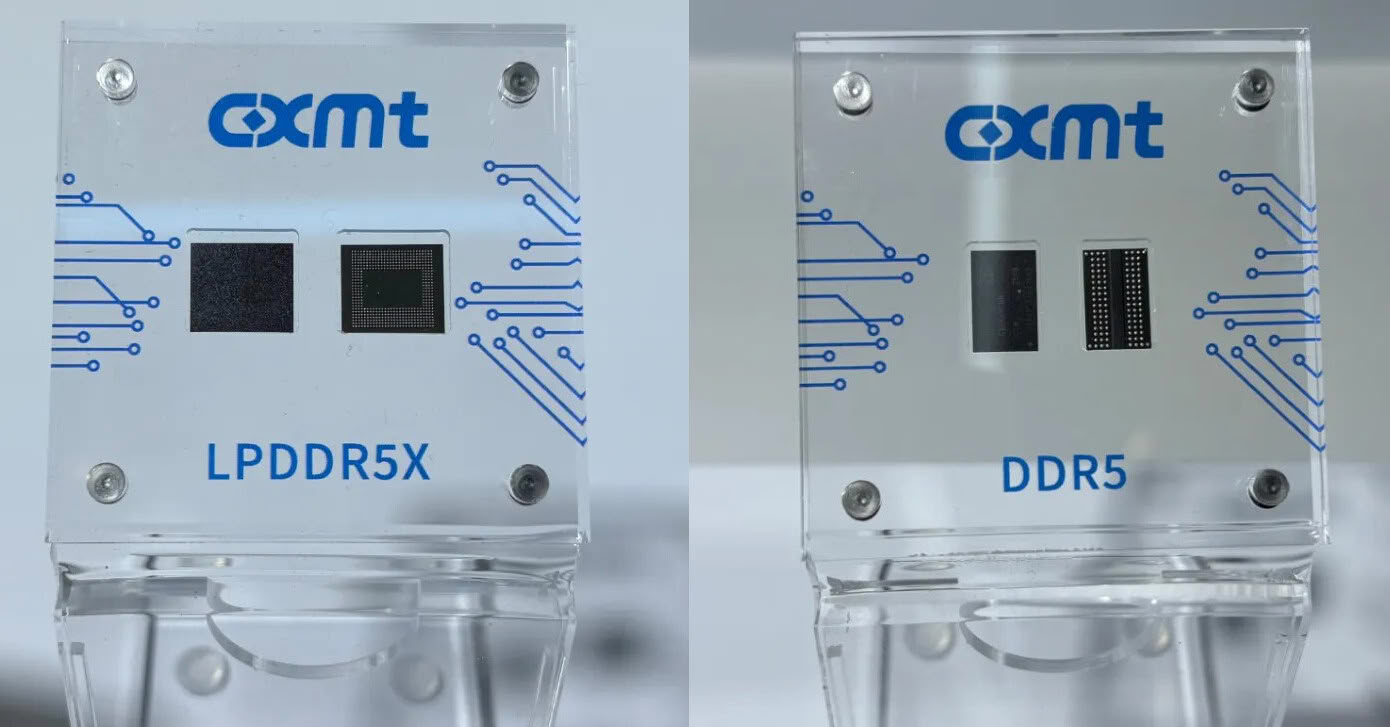
- •CXMT's product portfolio has expanded beyond legacy DDR4 to include LPDDR4X and LPDDR5, targeting the mobile and consumer electronics markets.
- •Despite capacity growth, CXMT faces significant headwinds from U.S. export controls, which restrict access to advanced EUV lithography equipment necessary for sub-10nm scaling.
- •Industry analysts note that while CXMT's wafer output volume is approaching Micron's scale, its yield rates and high-bandwidth memory (HBM) capabilities remain in the early stages of development compared to global peers.
📊 Competitor Analysis▸ Show
| Feature | CXMT | Micron | Samsung | SK Hynix |
|---|---|---|---|---|
| Primary Node | 17nm/18nm | 1β (1-beta) | 1b/1c nm | 1b/1c nm |
| Market Focus | Domestic/Consumer | Global/Enterprise | Global/High-End | Global/HBM/AI |
| HBM Capability | Emerging/R&D | Advanced (HBM3E) | Advanced (HBM3E) | Market Leader (HBM3E) |
| Pricing Strategy | Aggressive/Cost-Leader | Premium/Value | Premium | Premium |
🛠️ Technical Deep Dive
- Architecture: CXMT utilizes a proprietary DRAM design that leverages mature DUV (Deep Ultraviolet) lithography, employing multi-patterning techniques to achieve 17nm/18nm density.
- Product Focus: Current mass production centers on DDR4 and LPDDR4X, with increasing focus on LPDDR5 to support domestic smartphone manufacturers.
- Lithography Constraints: Reliance on DUV immersion lithography limits the ability to shrink die sizes further without significant increases in cost and complexity compared to competitors using EUV.
- Packaging: Moving toward advanced packaging solutions to improve thermal management and signal integrity for higher-speed memory modules.
🔮 Future ImplicationsAI analysis grounded in cited sources
⏳ Timeline
Weekly AI Recap
Read this week's curated digest of top AI events →
👉Related Updates
AI-curated news aggregator. All content rights belong to original publishers.
Original source: cnBeta (Full RSS) ↗
This is a summary, not the original. Read the source, or get the weekly briefing.
The weekly digest
One email a week. Unsubscribe anytime.