CUC game design students showcase high-level projects
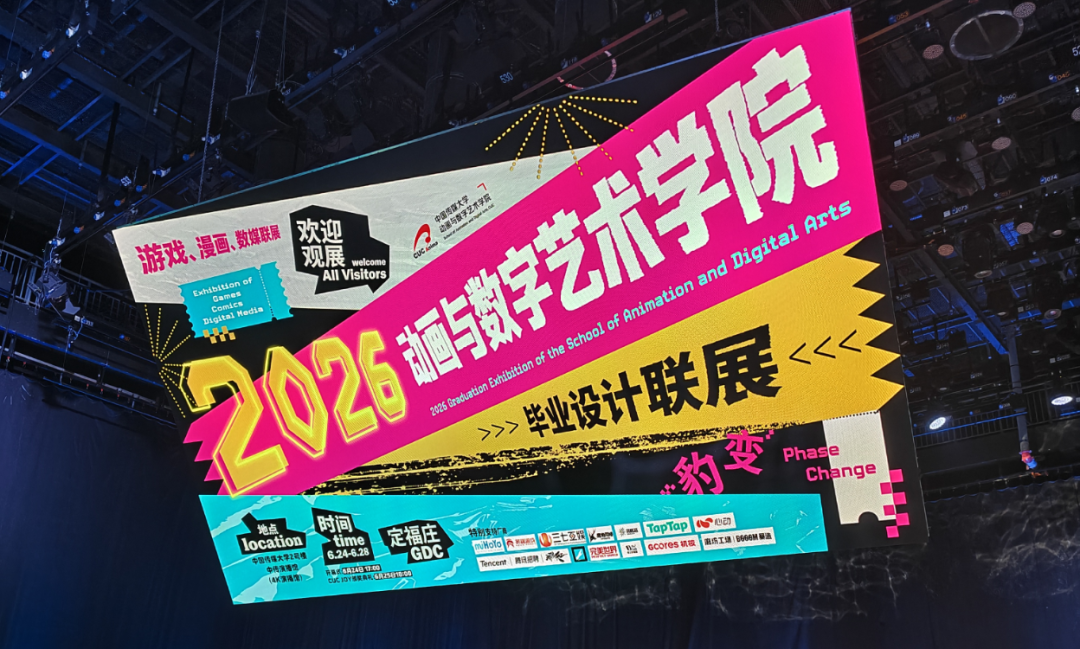
💡See how the next generation of developers is using AI to achieve professional-grade game production at scale.
⚡ 30-Second TL;DR
What Changed
Students are utilizing AI-assisted workflows (e.g., AI-generated textures) to significantly boost production efficiency.
Why It Matters
Highlights how AI-native talent is entering the workforce, capable of using generative tools to bridge the gap between small teams and high-quality output.
What To Do Next
Adopt similar AI-assisted asset generation workflows in your own development pipeline to increase iteration speed.
Key Points
- •Students are utilizing AI-assisted workflows (e.g., AI-generated textures) to significantly boost production efficiency.
- •Curriculum emphasizes cross-disciplinary team projects from the first year.
- •Graduates are highly sought after by major gaming companies like Tencent and miHoYo.
- •Projects show professional-level design maturity, often developed over multi-year cycles.
🧠 Deep Insight
AI-generated analysis for this event — not the original article.
🔑 Enhanced Key Takeaways
- •CUC's Digital Media Arts school has established a dedicated 'Game Design' major that specifically integrates game engine technology (Unreal Engine/Unity) with traditional media aesthetics.
- •The university maintains strategic industry-academia partnerships, including joint laboratories with major Chinese tech firms to provide students with real-world production pipelines.
- •Recent curriculum updates have shifted focus toward 'AIGC-native' game development, where students are evaluated on their ability to build custom AI models for procedural content generation.
- •The exhibition serves as a primary talent pipeline for the 'Game Industry Talent Training Base' recognized by the Ministry of Education in China.
- •Student projects frequently leverage CUC's specialized motion capture and virtual production studios, which are among the most advanced in Chinese academic institutions.
🛠️ Technical Deep Dive
- Implementation of AI-assisted workflows typically involves integrating Stable Diffusion or Midjourney for texture and concept art generation within Unreal Engine 5 pipelines.
- Students utilize custom Python scripts to automate asset importing and material instance creation, reducing manual labor in the production cycle.
- Projects often feature advanced lighting techniques using Lumen and Nanite technologies to achieve high-fidelity visuals with optimized performance budgets.
- Integration of Large Language Models (LLMs) for NPC dialogue systems and dynamic quest generation is becoming a standard feature in advanced student capstone projects.
🔮 Future ImplicationsAI analysis grounded in cited sources
⏳ Timeline
Weekly AI Recap
Read this week's curated digest of top AI events →
👉Related Updates
AI-curated news aggregator. All content rights belong to original publishers.
Original source: 虎嗅 ↗
This is a summary, not the original. Read the source, or get the weekly briefing.
Weekly AI briefing
One email a week. Unsubscribe anytime.