"Compute-Power Synergy" in Gov Report
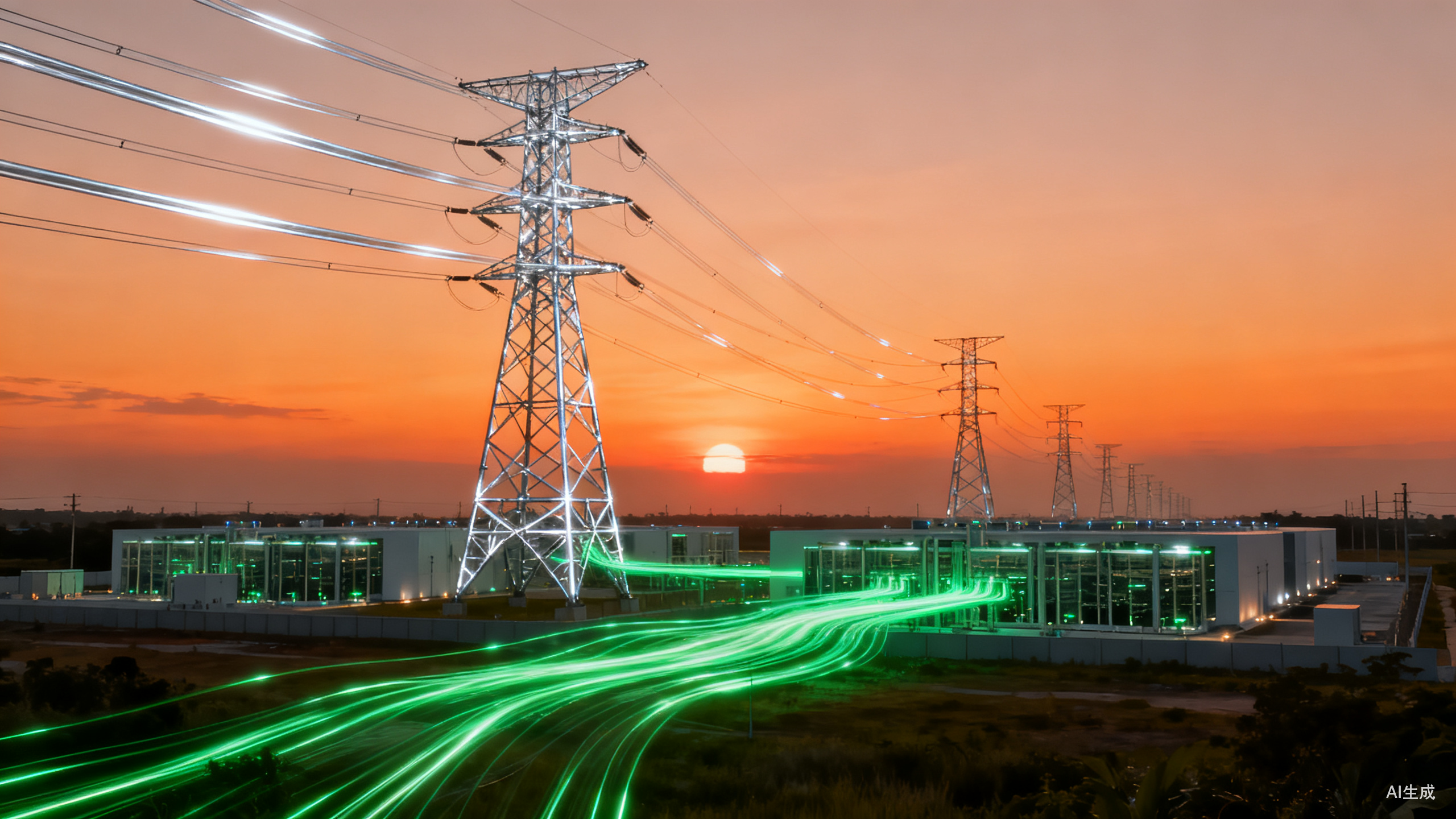
💡AI policy shift: Gov mandates compute-power synergy, trillion RMB infra boom for data centers
⚡ 30-Second TL;DR
What Changed
"Suan Dian Xietong" makes data centers flexible loads for grid stability, aiding renewable integration.
Why It Matters
Reprices grid stocks as AI enablers with long growth; trillion-scale opps in equipment for data center power integration. Positions China ahead in sustainable AI infra.
What To Do Next
Assess VPP APIs from grid firms for integrating your AI cluster's flexible compute loads.
Key Points
- •"Suan Dian Xietong" makes data centers flexible loads for grid stability, aiding renewable integration.
- •China's UHV + wind bases enable west-to-east green power for AI, vs global shortages.
- •Shifts grid from cycle infra to growth asset; boosts UHV gear, smart dist nets, storage/VPP.
- •Global data centers to hit 945TWh by 2030; China leads systemic AI-power fusion.
🧠 Deep Insight
AI-generated analysis for this event — not the original article.
🔑 Enhanced Key Takeaways
- •The 'Suan Dian Xietong' (Compute-Power Synergy) strategy specifically mandates the deployment of 'Source-Grid-Load-Storage' integration models, requiring data centers to dynamically adjust power consumption based on real-time renewable energy availability to mitigate grid curtailment.
- •Policy directives now require new large-scale data centers in Western China to be co-located with dedicated renewable energy bases, moving away from the previous model of relying on existing grid capacity to minimize transmission losses.
- •The initiative introduces a 'Green Compute' certification standard, linking data center energy efficiency ratings directly to the percentage of non-fossil fuel energy consumed, which will influence future government procurement and tax incentives.
🛠️ Technical Deep Dive
- •Implementation of AI-driven 'Load-Side Response' (LSR) systems that utilize predictive algorithms to shift non-real-time AI training workloads to periods of peak renewable generation.
- •Integration of UHVDC (Ultra-High Voltage Direct Current) transmission lines with 'Flexible DC' technology to allow bidirectional power flow between massive data center clusters and the national grid.
- •Deployment of distributed energy storage systems (BESS) at the rack level within data centers to act as a buffer for intermittent wind/solar inputs, reducing reliance on grid-scale frequency regulation.
🔮 Future ImplicationsAI analysis grounded in cited sources
⏳ Timeline
Weekly AI Recap
Read this week's curated digest of top AI events →
👉Related Updates

AI-curated news aggregator. All content rights belong to original publishers.
Original source: 虎嗅 ↗
This is a summary, not the original. Read the source, or get the weekly briefing.
Weekly AI briefing
One email a week. Unsubscribe anytime.