Clinical gaps in lymphoma treatment protocols
💡An insightful look at how clinical decision-making gaps occur in rare disease treatments.
⚡ 30-Second TL;DR
What Changed
Brentuximab Vedotin is an FDA-approved treatment for certain T-cell lymphomas but is sometimes absent from clinical protocols.
Why It Matters
Highlights the critical need for better data and standardized protocols in rare disease treatment to improve patient outcomes.
What To Do Next
If building AI for clinical decision support, ensure the model accounts for off-label usage and rare disease clinical trial limitations.
Key Points
- •Brentuximab Vedotin is an FDA-approved treatment for certain T-cell lymphomas but is sometimes absent from clinical protocols.
- •CD30 expression levels are a key factor in treatment eligibility, though clinical benefits may exist even at lower levels.
- •Rare cancers often force clinicians to make decisions based on limited data and high uncertainty.
- •The article questions the rationale behind specific treatment choices in complex lymphoma cases.
🧠 Deep Insight
AI-generated analysis for this event — not the original article.
🔑 Enhanced Key Takeaways
- •Brentuximab vedotin (BV) functions as an antibody-drug conjugate (ADC) that targets CD30, releasing the microtubule-disrupting agent monomethyl auristatin E (MMAE) specifically into cells expressing the antigen.
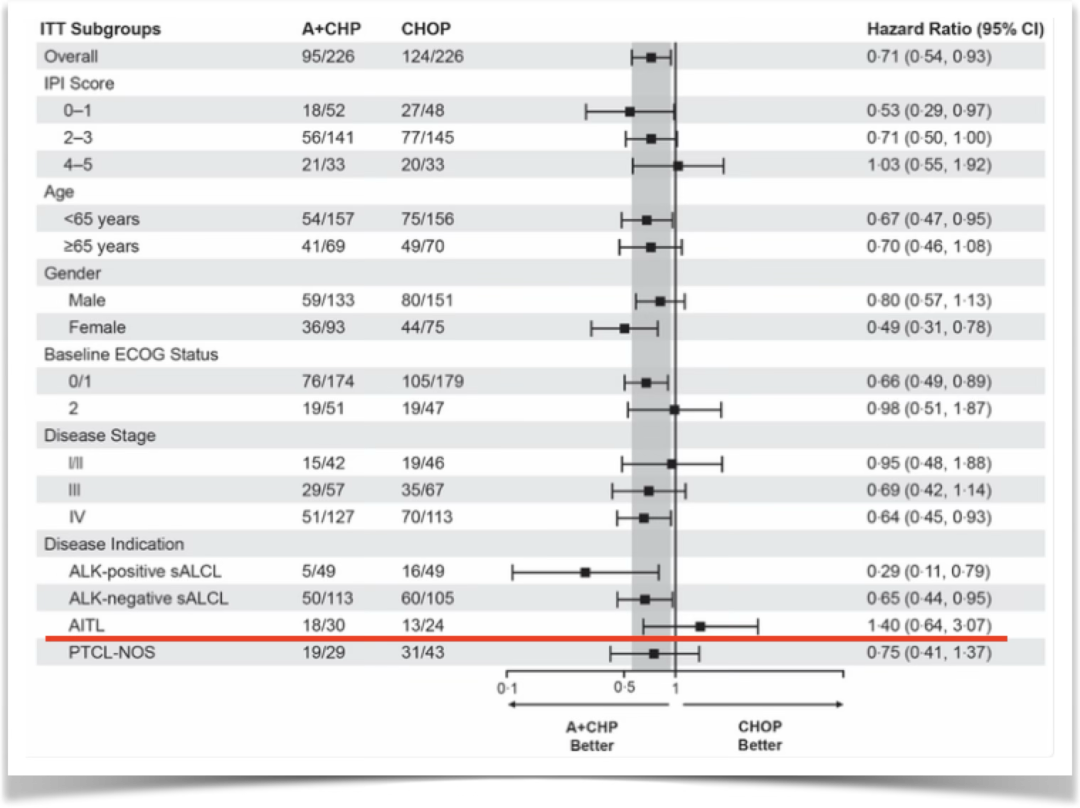
- •The ECHELON-2 clinical trial established the standard of care for previously untreated CD30-positive peripheral T-cell lymphoma (PTCL) by demonstrating superior progression-free and overall survival when combining BV with CHP chemotherapy.
- •Clinical guidelines often struggle to incorporate BV for PTCL subtypes with low or heterogeneous CD30 expression, leading to 'off-label' usage debates despite emerging evidence of efficacy in these populations.
- •The high cost of ADC therapies compared to traditional CHOP-based regimens remains a significant barrier to adoption in healthcare systems with strict budget impact assessments.
- •Emerging resistance mechanisms to BV in T-cell lymphoma include the downregulation of CD30 expression and the upregulation of drug efflux pumps, complicating long-term management strategies.
🛠️ Technical Deep Dive
- Mechanism of Action: Brentuximab vedotin utilizes a protease-cleavable linker to ensure stability in the bloodstream and targeted release of MMAE upon internalization into the lysosome.
- CD30 Binding Affinity: The monoclonal antibody component (cAC10) binds with high affinity to the extracellular domain of CD30, a member of the tumor necrosis factor receptor superfamily.
- Pharmacokinetics: The drug exhibits a half-life of approximately 4 to 6 days, with clearance primarily mediated by the catabolism of the ADC and subsequent release of MMAE.
- Toxicity Profile: Dose-limiting toxicities primarily include peripheral neuropathy, which is attributed to the off-target effects of MMAE on microtubule dynamics in neurons.
🔮 Future ImplicationsAI analysis grounded in cited sources
⏳ Timeline
Weekly AI Recap
Read this week's curated digest of top AI events →
👉Related Updates


AI-curated news aggregator. All content rights belong to original publishers.
Original source: 虎嗅 ↗
This is a summary, not the original. Read the source, or get the weekly briefing.
The weekly digest
One email a week. Unsubscribe anytime.