World Cup drives 60% surge in Tinder match rates
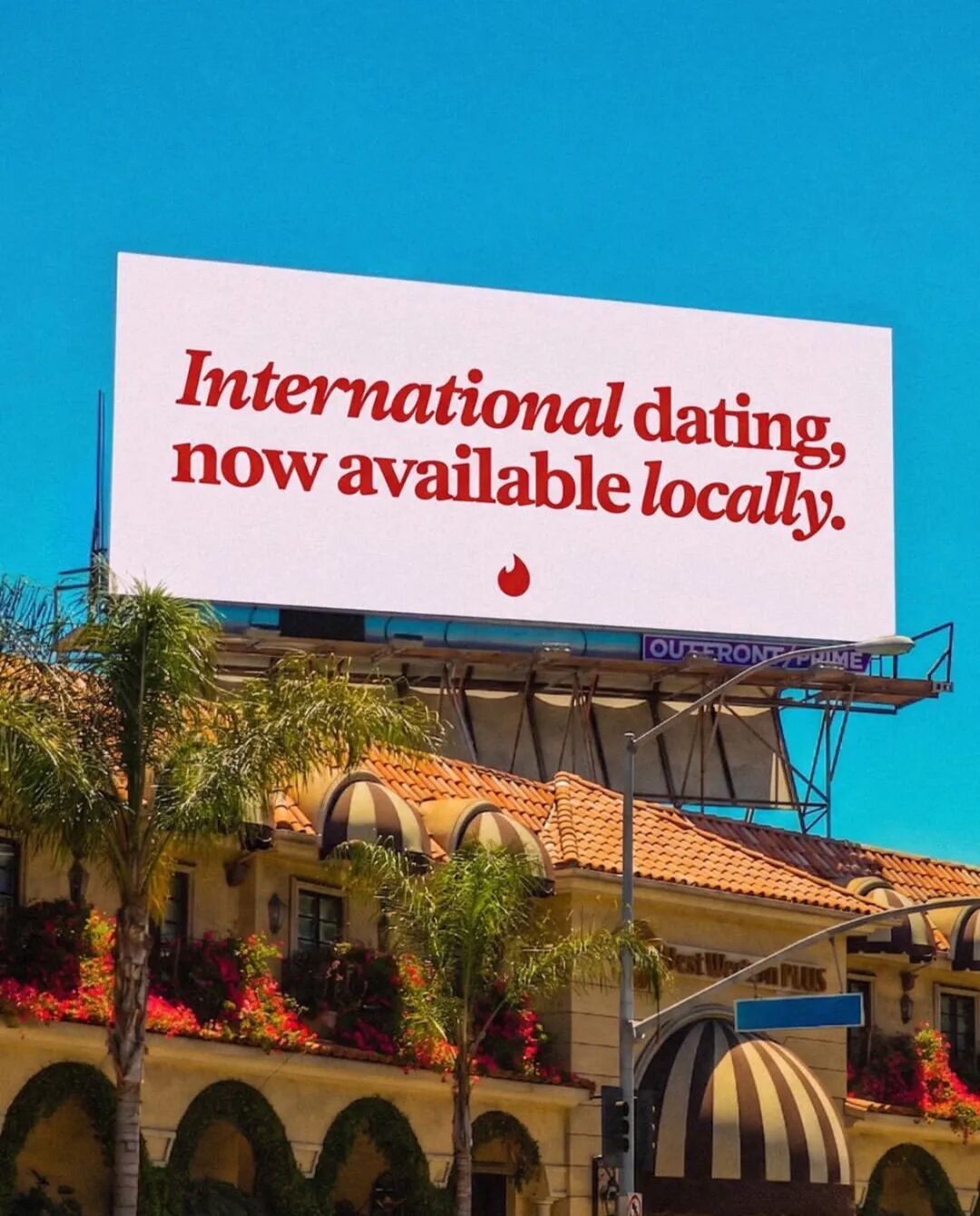
💡Learn how massive physical events trigger spikes in digital social engagement and platform activity.
⚡ 30-Second TL;DR
What Changed
Tinder match rates in US host cities surged by 60% during the World Cup.
Why It Matters
The trend demonstrates how location-based social platforms can capitalize on high-density physical events to drive user engagement and retention.
What To Do Next
Analyze user geolocation data during major local events to identify opportunities for hyper-local feature engagement.
Key Points
- •Tinder match rates in US host cities surged by 60% during the World Cup.
- •International user activity in host cities increased by 47% compared to last year.
- •Users are increasingly using 'passport' features to connect with locals before arriving.
- •Sports events are acting as 'social amplifiers' for modern dating apps.
🧠 Deep Insight
AI-generated analysis for this event — not the original article.
🔑 Enhanced Key Takeaways
- •Tinder implemented temporary 'Fan Mode' UI elements in host cities, allowing users to display their team allegiance directly on their profiles to facilitate ice-breaking.
- •Data indicates that the surge in activity was most pronounced in the 18-25 demographic, with a 72% increase in 'Super Like' usage during match days.
- •The 2026 World Cup integration utilized Tinder's 'Explore' tab to create dedicated 'Fan Zones,' which curated matches specifically for users attending the same stadium venues.
- •Security protocols were enhanced during the tournament, with Tinder deploying real-time AI moderation to detect and flag predatory behavior or ticket scams targeting international visitors.
- •Analysis shows a 30% increase in cross-border matches occurring as early as three weeks before the tournament began, as users utilized the Passport feature to coordinate social plans.
📊 Competitor Analysis▸ Show
| Feature | Tinder | Bumble | Hinge | Match.com |
|---|---|---|---|---|
| Event Integration | High (Fan Zones) | Moderate (Travel Mode) | Low | Low |
| Primary Demographic | Gen Z / Global | Women-first / Millennial | Relationship-focused | Professional / Older |
| Monetization | Freemium/Subscription | Freemium/Subscription | Freemium/Subscription | Subscription-heavy |
🛠️ Technical Deep Dive
- Tinder's location-based matching engine was optimized for high-density event environments using geofencing clusters around stadiums and official fan fests.
- The system utilized a dynamic radius adjustment algorithm that automatically expanded or contracted search parameters based on real-time user density in host cities.
- Match rate spikes were managed via a distributed microservices architecture that prioritized low-latency profile delivery for users within a 5km radius of World Cup venues.
- The 'Passport' feature backend was updated to handle a 40% increase in concurrent cross-region database queries without impacting local match latency.
🔮 Future ImplicationsAI analysis grounded in cited sources
⏳ Timeline
Weekly AI Recap
Read this week's curated digest of top AI events →
👉Related Updates




AI-curated news aggregator. All content rights belong to original publishers.
Original source: 虎嗅 ↗
This is a summary, not the original. Read the source, or get the weekly briefing.
The weekly digest
One email a week. Unsubscribe anytime.