🐯虎嗅•Stalecollected in 19m
Cinema Dying as AI Video Rises
💡AI video models to slash film costs, kill theaters soon
⚡ 30-Second TL;DR
What Changed
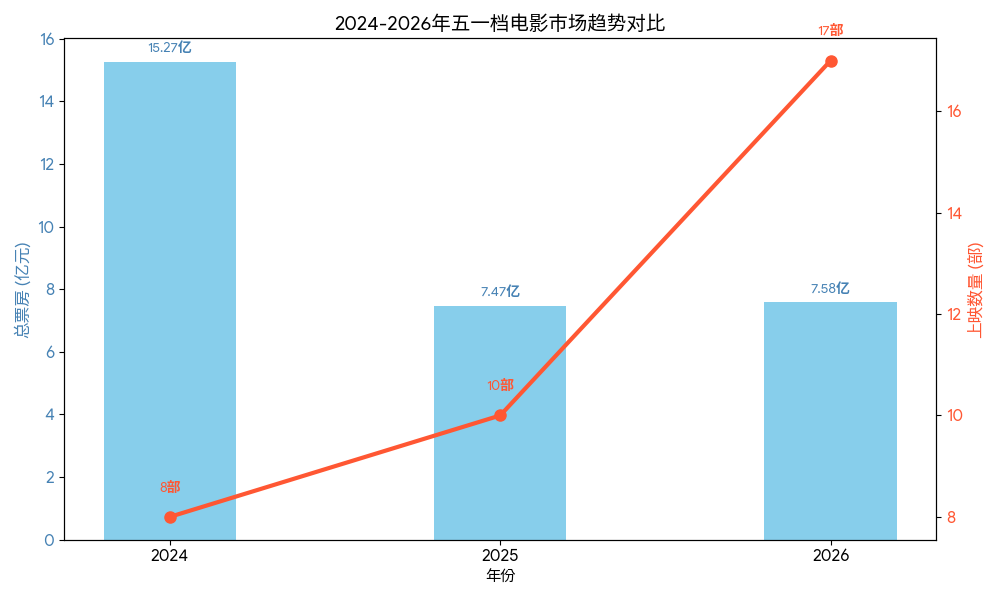
17 films in 2026 May Day vs 7-8 previously, but top 5 take 70% of 7.58B CNY box office
Why It Matters
Speeds cinema-to-streaming shift, forces film industry to integrate AI generation for survival.
What To Do Next
Experiment with Seedance API to prototype AI-generated short films.
Who should care:Creators & Designers
Key Points
- •17 films in 2026 May Day vs 7-8 previously, but top 5 take 70% of 7.58B CNY box office
- •Average non-top film earns ~16M CNY, less than short drama episode views
- •AI models Sora/Seedance to cut production costs from billions to millions in 2 years
🧠 Deep Insight
AI-generated analysis for this event.
🔑 Enhanced Key Takeaways
- •The 2026 May Day box office performance reflects a broader 'experience fatigue' among Chinese consumers, where the rising cost of theater tickets and ancillary expenses (parking, food) are driving audiences toward high-quality, low-friction short-form content.
- •Seedance, a domestic Chinese AI video model, has gained significant traction in the domestic market due to its superior optimization for Chinese cultural nuances and faster inference speeds compared to international counterparts like Sora.
- •Major Chinese film studios are pivoting their R&D budgets toward 'AI-native' production pipelines, aiming to reduce the post-production cycle from months to weeks by integrating generative AI for background generation and character consistency.
📊 Competitor Analysis▸ Show
| Feature | Sora (OpenAI) | Seedance (Domestic) | Kling AI |
|---|---|---|---|
| Primary Market | Global | China | Global/China |
| Cultural Alignment | Western-centric | High (Chinese context) | Moderate |
| Inference Speed | Moderate | High | High |
| Pricing Model | API-based (Usage) | Subscription/API | Tiered/Credits |
🛠️ Technical Deep Dive
- •Seedance utilizes a proprietary 'Temporal-Consistency Diffusion' architecture that specifically addresses the 'flicker' issue common in early video generation models.
- •The model employs a multi-stage latent space compression technique, allowing it to render 1080p video at 60fps while maintaining lower VRAM requirements than standard Transformer-based video models.
- •Integration of 'ControlNet-style' structural conditioning allows directors to maintain precise camera movements and character positioning, which is critical for narrative-driven film production.
🔮 Future ImplicationsAI analysis grounded in cited sources
Traditional film production budgets will drop by 70% by 2028.
The automation of visual effects, set design, and background extras via AI will eliminate the most labor-intensive and costly components of mid-budget filmmaking.
Theatrical release windows will shrink to under 14 days.
Declining theater attendance and the rapid availability of AI-generated high-quality content will force studios to prioritize digital distribution to recoup costs faster.
⏳ Timeline
2024-02
OpenAI announces Sora, triggering global interest in text-to-video generation.
2025-06
Seedance releases its first public beta, focusing on high-fidelity Chinese-language prompt adherence.
2026-01
Major Chinese production houses begin pilot programs integrating AI video tools into pre-visualization workflows.
📰
Weekly AI Recap
Read this week's curated digest of top AI events →
👉Related Updates

AI-curated news aggregator. All content rights belong to original publishers.
Original source: 虎嗅 ↗