Chinese Surgical Robot Enters European Clinical Market
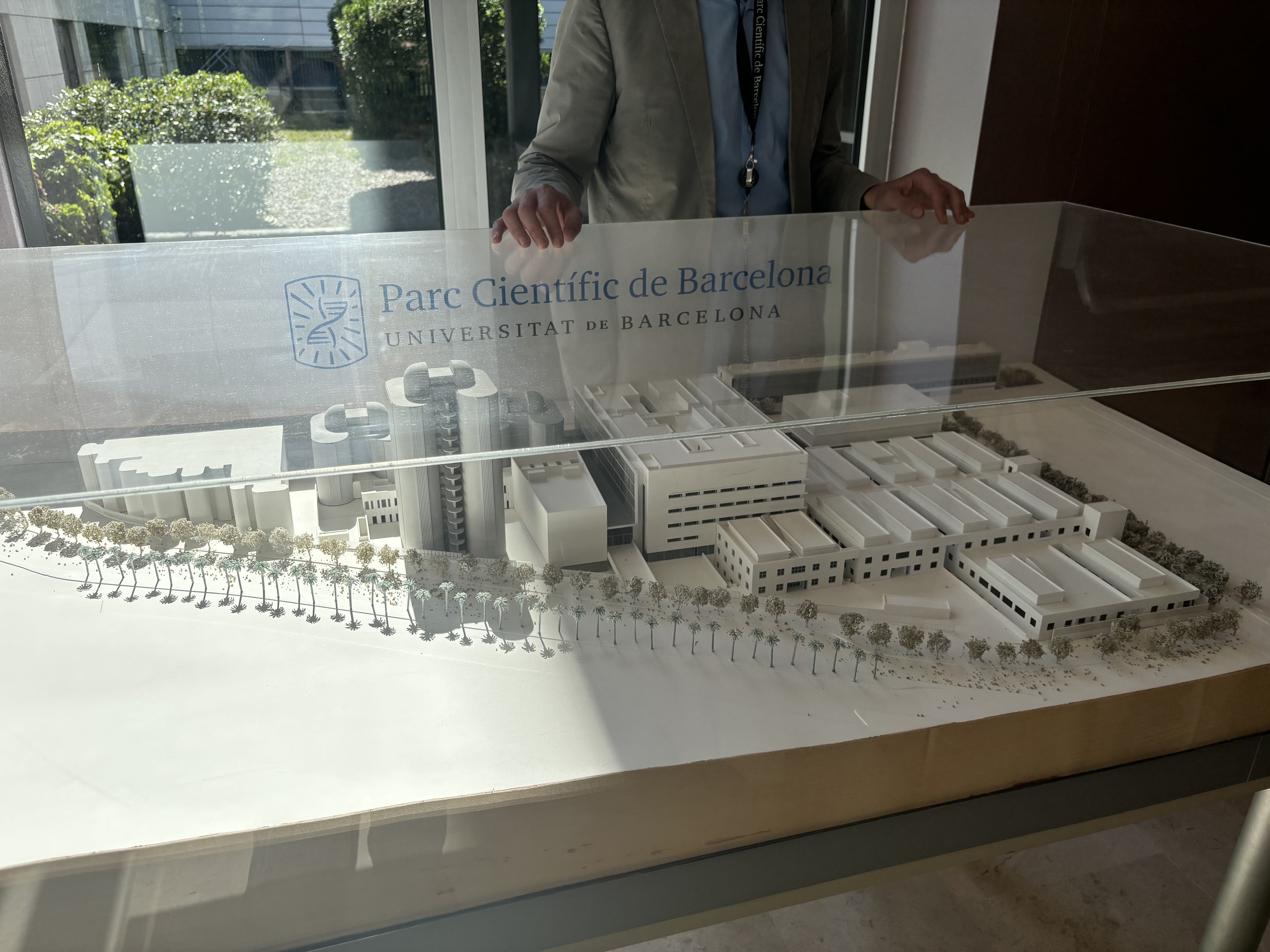
💡See how Chinese AI-powered surgical robotics are breaking into the highly regulated European medical market.
⚡ 30-Second TL;DR
What Changed
Surui Robotics completed the first single-port robotic pediatric nephroureterectomy in Europe.
Why It Matters
This entry signals a shift in the global medical device landscape, where Chinese AI-driven robotics are increasingly validated by top-tier European clinical institutions.
What To Do Next
Analyze the regulatory pathway for medical robotics in the EU (MDR) if you are building AI-driven hardware for clinical environments.
Key Points
- •Surui Robotics completed the first single-port robotic pediatric nephroureterectomy in Europe.
- •Barcelona's life science ecosystem is attracting significant investment, including 1.3 billion euros from AstraZeneca.
- •The collaboration emphasizes complementary strengths: Chinese AI/digital health scale and European clinical governance.
🧠 Deep Insight
AI-generated analysis for this event — not the original article.
🔑 Enhanced Key Takeaways
- •Surui Robotics' entry into the EU market was facilitated by the CE MDR (Medical Device Regulation) certification, which is notoriously stringent for non-EU manufacturers.
- •The Vall d’Hebron University Hospital collaboration is part of a broader 'Belt and Road' medical technology initiative aimed at standardizing robotic surgery training protocols between China and Spain.
- •Surui Robotics utilizes a proprietary 'force-feedback' haptic system that differentiates its single-port platform from traditional multi-port systems like the da Vinci Xi.
- •The company has established a dedicated European R&D hub in Barcelona to comply with local data sovereignty laws regarding surgical video data and AI model training.
- •This clinical deployment is the first instance of a Chinese-manufactured surgical robot being utilized for pediatric urology procedures within a public European healthcare system.
📊 Competitor Analysis▸ Show
| Feature | Surui Robotics (Single-Port) | Intuitive Surgical (da Vinci SP) | CMR Surgical (Versius) |
|---|---|---|---|
| Primary Focus | Pediatric/Single-Port | Multi-specialty/Single-Port | Modular/Multi-port |
| Haptic Feedback | Integrated Proprietary | Limited/Indirect | No (Visual only) |
| Market Position | Emerging/Cost-Disruptor | Incumbent/Premium | Challenger/Modular |
| EU Regulatory Status | CE MDR Certified | CE MDR Certified | CE MDR Certified |
🛠️ Technical Deep Dive
- System Architecture: Employs a master-slave control loop with sub-10ms latency to ensure real-time haptic feedback during delicate pediatric dissections.
- Instrument Design: Features 7-degree-of-freedom (DoF) wristed instruments with a diameter of less than 8mm, specifically optimized for pediatric anatomical constraints.
- AI Integration: The platform includes an intraoperative navigation module that uses computer vision to overlay real-time anatomical structures, reducing the risk of accidental vessel injury.
- Connectivity: Utilizes a 5G-enabled remote diagnostic module that allows senior surgeons to provide tele-mentoring support from China to the Spanish clinical team.
🔮 Future ImplicationsAI analysis grounded in cited sources
⏳ Timeline
Weekly AI Recap
Read this week's curated digest of top AI events →
👉Related Updates
AI-curated news aggregator. All content rights belong to original publishers.
Original source: 36氪 ↗
This is a summary, not the original. Read the source, or get the weekly briefing.
Weekly AI briefing
One email a week. Unsubscribe anytime.