Chinese Robots Are Taking Jobs in Japan
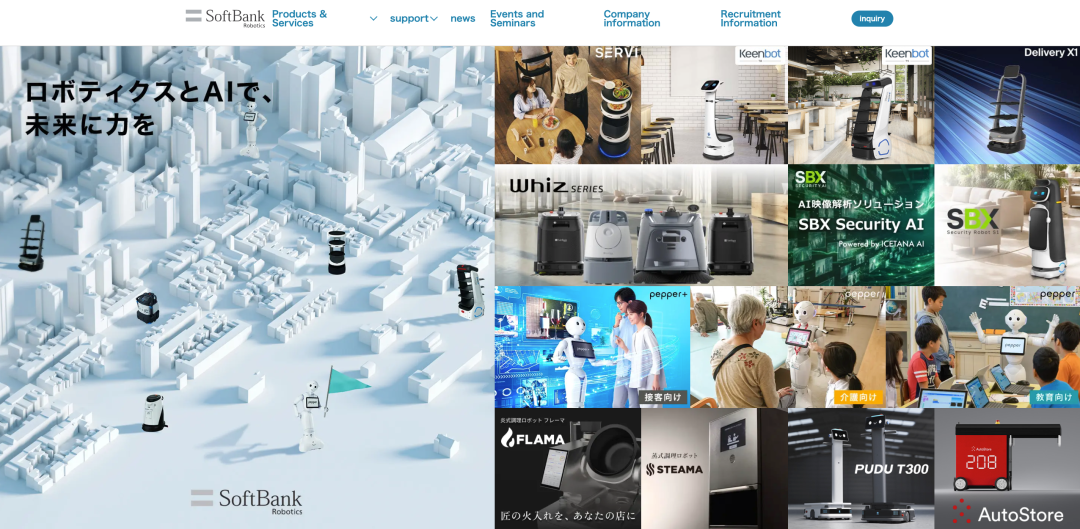
💡China’s robots are moving from demos to real Japanese restaurants, airports, and disaster-response systems.
⚡ 30-Second TL;DR
What Changed
SoftBank has shifted from building its own robots to distributing Chinese robotics products, including Pudu and Zhongqing, in Japan.
Why It Matters
The deployments show that embodied AI is moving from demonstrations into labor-constrained environments such as restaurants, airports, and disaster response. For AI companies, China’s advantage appears to lie not only in hardware cost but also in rapidly accumulating real-world deployment data.
What To Do Next
Request SDK and safety documentation from Unitree or UBTECH, then run a controlled pilot for navigation, manipulation, and human-robot interaction in one constrained workflow.
Key Points
- •SoftBank has shifted from building its own robots to distributing Chinese robotics products, including Pudu and Zhongqing, in Japan.
- •A major Japanese family-restaurant group has deployed about 3,000 serving robots across roughly 2,100 locations since 2022.
- •Japan Airlines introduced humanoid robots from Unitree and UBTECH at Haneda Airport in May 2026 for aircraft baggage loading.
- •At the 2026 RoboCup humanoid competition, 38 of 49 teams reportedly used robots from the same Chinese company.
Weekly AI Recap
Read this week's curated digest of top AI events →
👉Related Updates

AI-curated news aggregator. All content rights belong to original publishers.
Original source: 虎嗅 ↗
This is a summary, not the original. Read the source, or get the weekly briefing.
Weekly AI briefing
One email a week. Unsubscribe anytime.