Chinese AI Chips Shift to Training in 2026
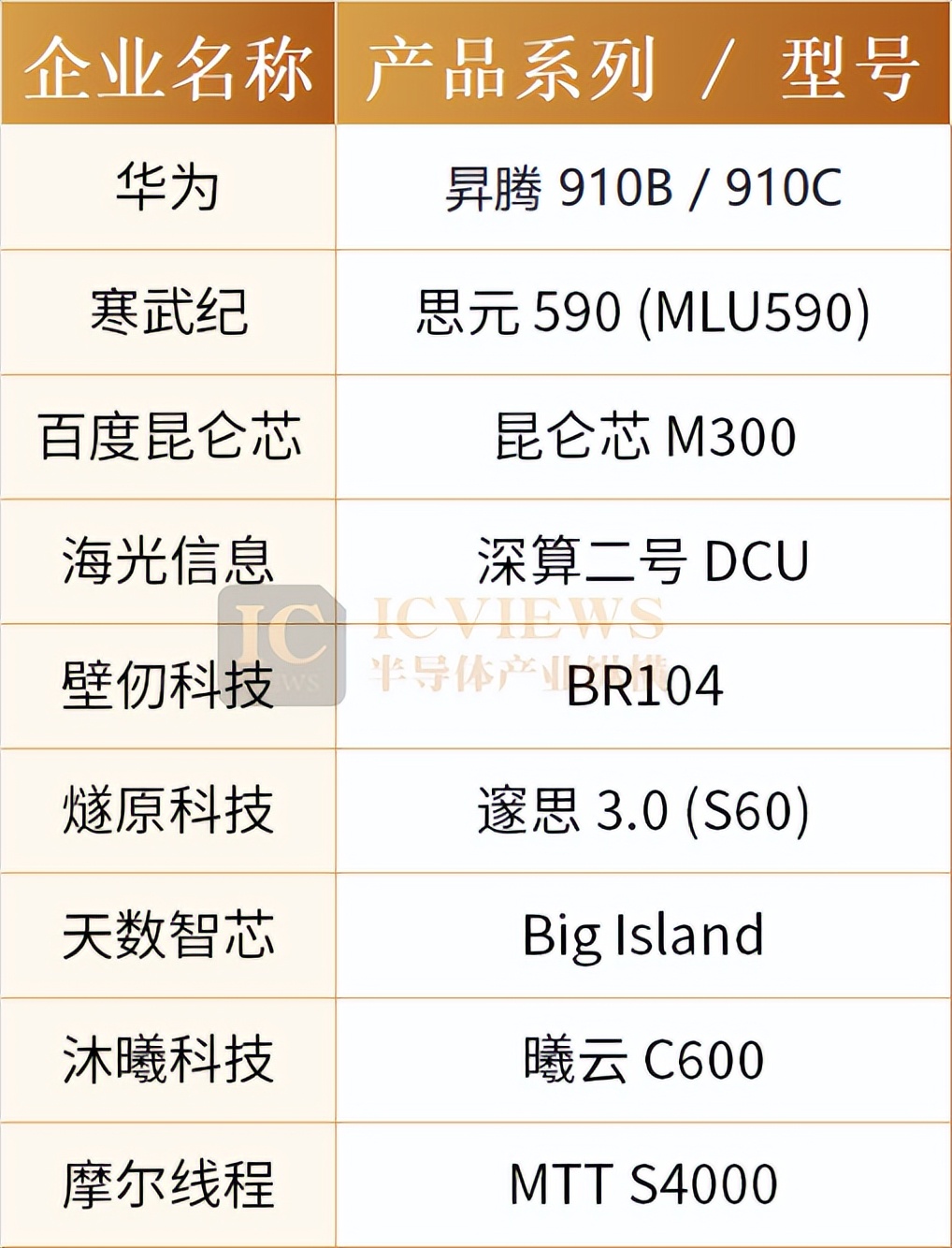
💡China's AI chips reach training in 2026—vital for infra costs & geopolitics
⚡ 30-Second TL;DR
What Changed
国产AI chips move from inference to training
Why It Matters
Accelerates China's AI hardware independence, potentially disrupting global supply chains for AI training infrastructure.
What To Do Next
Track Huawei Ascend or Biren chips for 2026 training benchmarks vs Nvidia.
Key Points
- •国产AI chips move from inference to training
- •2026 designated key year for training deployment
- •Crosses major performance chasm
🧠 Deep Insight
Background and context from public sources — not the original article. 4 sources cited.
🔑 Enhanced Key Takeaways
- •China's domestic AI chip production faces severe manufacturing constraints due to ASML export controls blocking extreme ultraviolet (EUV) lithography equipment, forcing Chinese-designed chips to use older processes that consume more power and deliver lower performance per square millimeter[3].
- •The Trump administration's decision to export H200 chips to China would provide a two-to-three-year boost in AI computing power, potentially giving China access to more compute in 2026 than it could produce domestically until 2028 or 2029[1].
- •Huawei's Ascend 910C performs only 60 percent as well as Nvidia's H100 for AI training, while the B30A would provide more than double the processing power of the 910C and at least 25 percent greater memory bandwidth for inference workloads[1][2].
- •China's strategy has shifted from pursuing AGI (artificial general intelligence) to deploying AI as a general-purpose tool across manufacturing, logistics, robotics, healthcare, autonomous driving, and industrial optimization, bypassing the need for cutting-edge training chips in the near term[4].
📊 Competitor Analysis▸ Show
| Feature | Huawei Ascend 910C | Nvidia H100 | Nvidia B30A | Nvidia H200 |
|---|---|---|---|---|
| AI Training Performance | 60% of H100 | Baseline | 2x Ascend 910C | Superior to H100 |
| Memory Bandwidth | Baseline | Baseline | 25% more than 910C | Higher than H100 |
| Manufacturing Process | Older (non-EUV) | Advanced | Advanced | Advanced |
| Availability in China | Domestic | Export-controlled | Export-controlled | Export-controlled |
| Software Stack | MindSpore | CUDA/PyTorch | CUDA | CUDA |
🛠️ Technical Deep Dive
- Huawei Ascend 910C: Operates on older manufacturing processes due to ASML EUV lithography export restrictions; software stack (MindSpore) mimics TensorFlow and PyTorch developer experience but suffers from reliability issues when scaled into larger clusters[2][3]
- Nvidia H200: Significantly better at AI training than any chip currently available in China; provides real boost to training capabilities given rising computational demands for next-generation models[1]
- Nvidia B30A: Expected to deliver more than 12 times greater processing power than H20; at least 25% more memory bandwidth than Ascend 910C; would cost approximately 20% more than B300-based clusters when normalized for equivalent performance[2]
- Manufacturing bottleneck: Chinese chips must use older processes, consuming more power and delivering less performance per square millimeter compared to advanced node competitors[3]
🔮 Future ImplicationsAI analysis grounded in cited sources
⏳ Timeline
📎 Sources (4)
Factual claims are grounded in the sources below. Forward-looking analysis is AI-generated interpretation.
Weekly AI Recap
Read this week's curated digest of top AI events →
👉Related Updates



AI-curated news aggregator. All content rights belong to original publishers.
Original source: 钛媒体 ↗
This is a summary, not the original. Read the source, or get the weekly briefing.
Weekly AI briefing
One email a week. Unsubscribe anytime.