💰钛媒体•較早收集於 18m
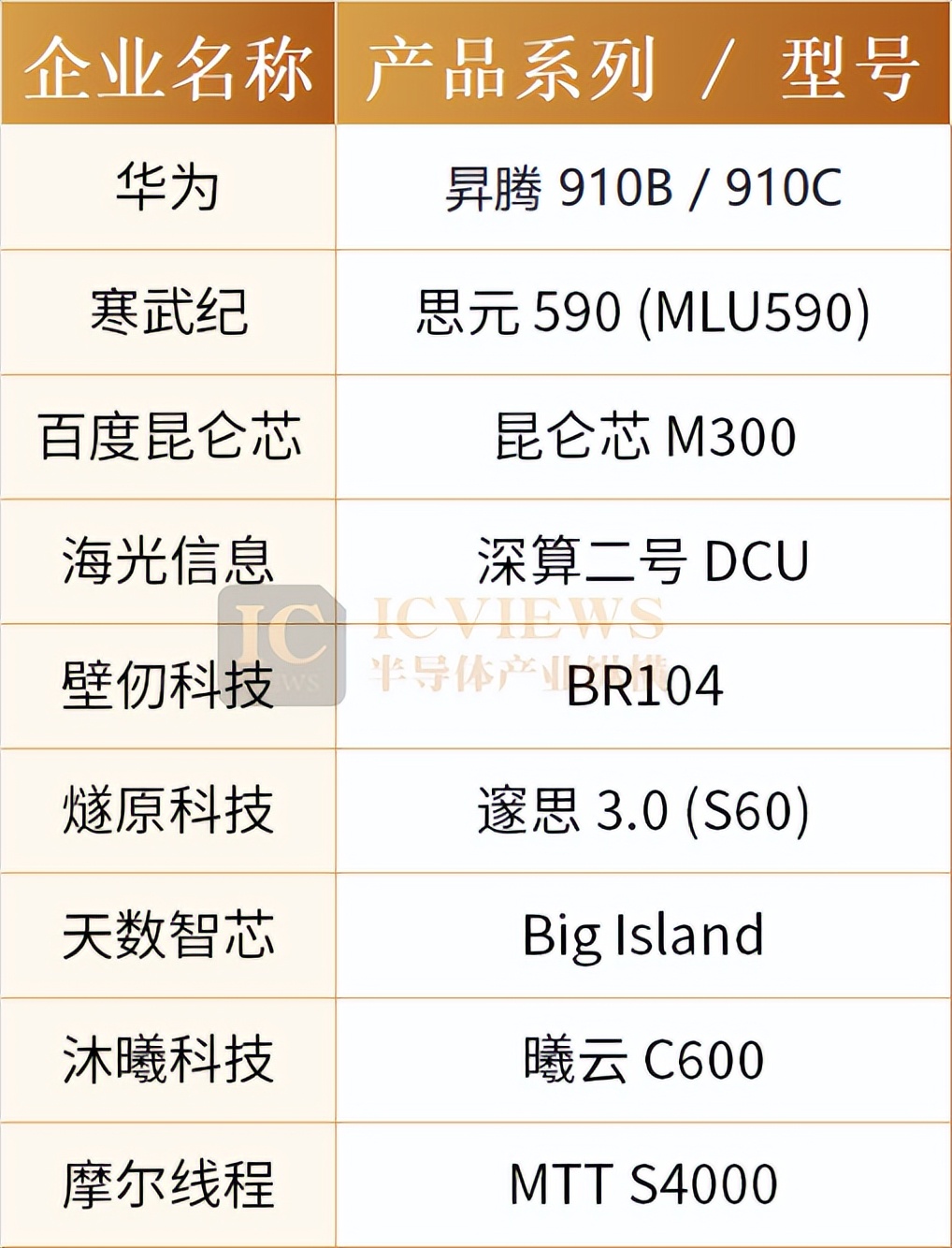
2026,國產AI晶片,跨越天塹:從「推理」走向「訓練」
#china-chips#ai-training#capability-leapchinese-ai-chipsai-chips
💡China's AI chips reach training in 2026—vital for infra costs & geopolitics
⚡ 30-Second TL;DR
有什麼變化
國產AI晶片從推理轉向訓練
為什麼重要
加速中國AI硬體自主,潛在顛覆全球AI訓練供應鏈。
下一步行動
Track Huawei Ascend or Biren chips for 2026 training benchmarks vs Nvidia.
誰應關注:Founders & Product Leaders
關鍵要點
- •國產AI晶片從推理轉向訓練
- •2026為訓練落地關鍵元年
- •跨越性能天塹
🧠 深度解析
背景與延伸:來自公開資料,非原文內容。引用 4 個來源。
🔑 增強重點摘要
- •China's domestic AI chip production faces severe manufacturing constraints due to ASML export controls blocking extreme ultraviolet (EUV) lithography equipment, forcing Chinese-designed chips to use older processes that consume more power and deliver lower performance per square millimeter[3].
- •The Trump administration's decision to export H200 chips to China would provide a two-to-three-year boost in AI computing power, potentially giving China access to more compute in 2026 than it could produce domestically until 2028 or 2029[1].
- •Huawei's Ascend 910C performs only 60 percent as well as Nvidia's H100 for AI training, while the B30A would provide more than double the processing power of the 910C and at least 25 percent greater memory bandwidth for inference workloads[1][2].
- •China's strategy has shifted from pursuing AGI (artificial general intelligence) to deploying AI as a general-purpose tool across manufacturing, logistics, robotics, healthcare, autonomous driving, and industrial optimization, bypassing the need for cutting-edge training chips in the near term[4].
📊 競品分析▸ Show
| Feature | Huawei Ascend 910C | Nvidia H100 | Nvidia B30A | Nvidia H200 |
|---|---|---|---|---|
| AI Training Performance | 60% of H100 | Baseline | 2x Ascend 910C | Superior to H100 |
| Memory Bandwidth | Baseline | Baseline | 25% more than 910C | Higher than H100 |
| Manufacturing Process | Older (non-EUV) | Advanced | Advanced | Advanced |
| Availability in China | Domestic | Export-controlled | Export-controlled | Export-controlled |
| Software Stack | MindSpore | CUDA/PyTorch | CUDA | CUDA |
🛠️ 技術深入
- Huawei Ascend 910C: Operates on older manufacturing processes due to ASML EUV lithography export restrictions; software stack (MindSpore) mimics TensorFlow and PyTorch developer experience but suffers from reliability issues when scaled into larger clusters[2][3]
- Nvidia H200: Significantly better at AI training than any chip currently available in China; provides real boost to training capabilities given rising computational demands for next-generation models[1]
- Nvidia B30A: Expected to deliver more than 12 times greater processing power than H20; at least 25% more memory bandwidth than Ascend 910C; would cost approximately 20% more than B300-based clusters when normalized for equivalent performance[2]
- Manufacturing bottleneck: Chinese chips must use older processes, consuming more power and delivering less performance per square millimeter compared to advanced node competitors[3]
🔮 前景展望AI analysis grounded in cited sources
Chinese state data centers will face a 2-3 year performance gap if H200/B30A exports remain restricted.
Without access to advanced US chips, China's domestic production cannot match required compute capacity until 2028-2029 at earliest, forcing reliance on inferior domestic alternatives[1].
China's practical AI deployment strategy may prove more economically viable than Western AGI-focused approaches in the near term.
By deploying AI across real-economy applications rather than pursuing AGI breakthroughs, China can generate value and revenue while domestic chip capabilities mature[4].
Huawei's software ecosystem maturation will become critical to Chinese AI competitiveness by 2027.
Hardware performance gaps can be partially offset by superior software optimization and developer experience, making MindSpore ecosystem development essential for adoption[3].
⏳ 時間線
2025-12
DeepSeek v3.2 release; company reiterates AI compute access as primary constraint
2026-02
China mandates domestic AI chips in state-funded data centers; transition year begins for Ascend chip deployments
📎 來源 (4)
Factual claims are grounded in the sources below. Forward-looking analysis is AI-generated interpretation.
📰
AI 週報
閱讀本週精選 AI 大事摘要 →
👉相關動態



AI 策展新聞聚合。所有內容版權歸原始發布者所有。
原始來源: 钛媒体 ↗
每週 AI 簡報
每週一封,可隨時退訂。