Macroeconomic Trends and Asset Allocation (June-July)
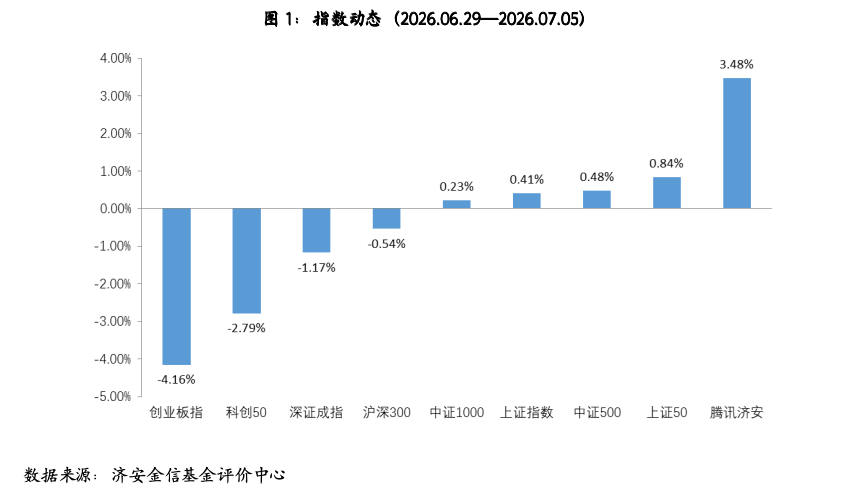
💡Understand the macroeconomic environment influencing high-tech and AI-related industrial investments in China.
⚡ 30-Second TL;DR
What Changed
Manufacturing PMI reached 50.3%, showing growth in high-tech sectors.
Why It Matters
The divergence between high-tech manufacturing and consumer demand suggests a bifurcated economic recovery that impacts AI investment strategies.
What To Do Next
Review portfolio exposure to high-tech manufacturing sectors in China as a proxy for AI-related industrial growth.
Key Points
- •Manufacturing PMI reached 50.3%, showing growth in high-tech sectors.
- •Consumer and real estate sectors remain in contraction territory.
- •Liquidity is stable, but private credit demand remains sluggish.
🧠 Deep Insight
AI-generated analysis for this event — not the original article.
🔑 Enhanced Key Takeaways
- •The People's Bank of China (PBOC) has maintained a neutral-to-loose monetary policy stance throughout Q2 2026 to counteract deflationary pressures in the producer price index (PPI).
- •Recent fiscal stimulus measures have shifted focus from traditional infrastructure spending toward 'New Quality Productive Forces,' specifically targeting AI-integrated industrial robotics and green energy storage solutions.
- •Data from the National Bureau of Statistics indicates that while high-tech manufacturing is expanding, the employment sub-index remains below the 50% threshold, signaling a disconnect between output growth and labor market absorption.
- •Cross-border capital flows have shown increased volatility in June 2026, driven by interest rate differentials between the Federal Reserve's current policy and domestic Chinese rates.
- •The real estate sector's contraction is increasingly attributed to a structural shift in household balance sheets, with a marked increase in the 'precautionary savings' ratio among urban demographics.
🔮 Future ImplicationsAI analysis grounded in cited sources
⏳ Timeline
Weekly AI Recap
Read this week's curated digest of top AI events →
👉Related Updates



AI-curated news aggregator. All content rights belong to original publishers.
Original source: 钛媒体 ↗
This is a summary, not the original. Read the source, or get the weekly briefing.
The weekly digest
One email a week. Unsubscribe anytime.