China's Commercial Space Sector Enters Second Growth Wave
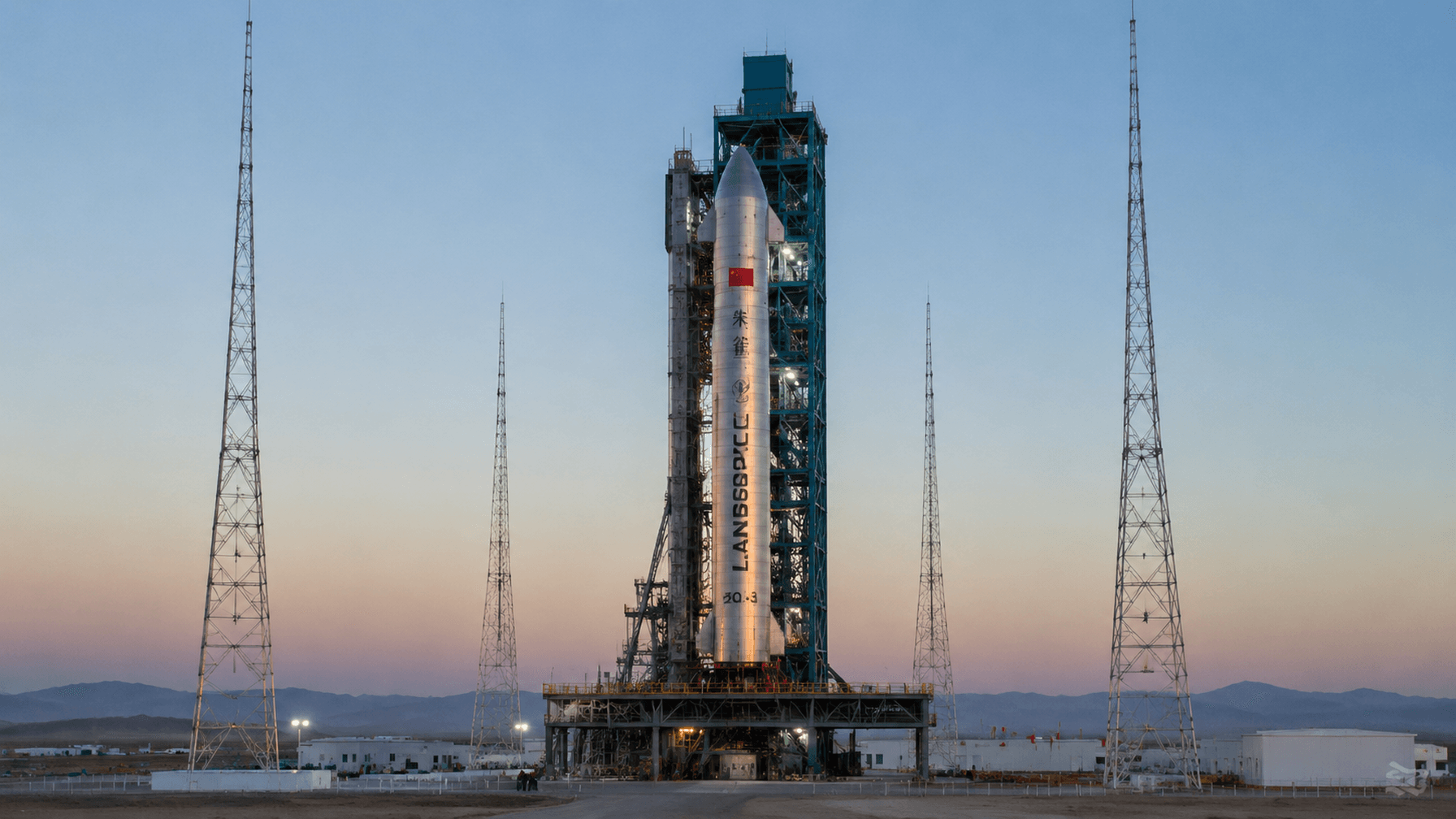
Satellite constellation growth is the backbone for future global edge AI and real-time data processing infrastructure.
30-Second TL;DR
What Changed
Reusable rocket milestones expected in July 2026
Why It Matters
The expansion of satellite constellations will significantly increase data availability for edge computing and remote AI deployment. This infrastructure is critical for global connectivity and real-time AI processing.
What To Do Next
Monitor satellite internet API availability for edge-based AI applications that require low-latency global connectivity.
Key Points
- •Reusable rocket milestones expected in July 2026
- •Surging demand from Qianfan and GW satellite internet projects
- •Strategic shift toward commercialized space infrastructure
Deep Insight
AI-generated analysis for this event — not the original article.
Enhanced Key Takeaways
- •The Chinese government has integrated commercial spaceflight into its 'New Quality Productive Forces' policy, elevating it to a national strategic priority for economic growth.
- •Major commercial launch providers like LandSpace, Deep Blue Aerospace, and i-Space are transitioning from expendable to fully reusable methane-liquid oxygen (methalox) engine architectures.
- •The Shanghai-based G60 Starlink (Qianfan) project is actively establishing a massive manufacturing hub in the G60 Science and Innovation Corridor to achieve high-volume satellite production.
- •China's commercial space sector is increasingly leveraging private-public partnerships to utilize state-owned launch sites, such as the Wenchang Commercial Spacecraft Launch Site, to alleviate congestion at traditional military-run facilities.
- •Regulatory reforms in 2025 have streamlined the licensing process for private launch companies, significantly reducing the lead time for flight approvals compared to the previous decade.
Competitor Analysis
- China Commercial Space (Qianfan/GW)
- Reusable Methalox (Various)
- SpaceX (Starlink)
- Falcon 9 / Starship
- Kuiper (Amazon)
- Vulcan / New Glenn
- China Commercial Space (Qianfan/GW)
- State-backed/Private Hybrid
- SpaceX (Starlink)
- Vertical Integration
- Kuiper (Amazon)
- Corporate/Logistics Synergy
- China Commercial Space (Qianfan/GW)
- Domestic/Belt & Road
- SpaceX (Starlink)
- Global/Commercial
- Kuiper (Amazon)
- Enterprise/Consumer
| Feature | China Commercial Space (Qianfan/GW) | SpaceX (Starlink) | Kuiper (Amazon) |
|---|---|---|---|
| Launch Vehicle | Reusable Methalox (Various) | Falcon 9 / Starship | Vulcan / New Glenn |
| Deployment Strategy | State-backed/Private Hybrid | Vertical Integration | Corporate/Logistics Synergy |
| Primary Market | Domestic/Belt & Road | Global/Commercial | Enterprise/Consumer |
Technical Deep Dive
- Propulsion Systems: Shift toward liquid oxygen and methane (methalox) engines, such as the TQ-12 (LandSpace) and Nebula-1 (Deep Blue Aerospace), to facilitate rapid reusability and lower propellant costs.
- Satellite Bus Architecture: Adoption of modular, flat-panel satellite designs for high-density launch stacking, similar to Starlink's deployment method.
- Launch Infrastructure: Development of vertical takeoff and vertical landing (VTVL) test beds and specialized recovery pads at coastal launch sites to support high-cadence flight operations.
- Constellation Networking: Implementation of inter-satellite laser links (ISL) to enable data routing without reliance on ground stations in remote regions.
Future ImplicationsAI analysis grounded in cited sources
Timeline
- 2023-07LandSpace's Zhuque-2 becomes the world's first methane-fueled rocket to reach orbit.
- 2024-08The first batch of Qianfan (G60) satellites is successfully launched into orbit.
- 2025-03China updates commercial space regulations to simplify launch licensing for private firms.
- 2026-01Deep Blue Aerospace completes a major static fire test for its reusable Nebula-1 rocket.
Weekly AI Recap
Read this week's curated digest of top AI events →
Related Updates



AI-curated news aggregator. All content rights belong to original publishers.
Original source: Pandaily ↗
This is a summary, not the original. Read the source, or get the weekly briefing.
The weekly digest
One email a week. Unsubscribe anytime.