China's Blood Supply Faces Critical Shortage and Systemic Reform
💡Understand the digital infrastructure challenges in national health systems and potential for data-driven policy tools.
⚡ 30-Second TL;DR
What Changed
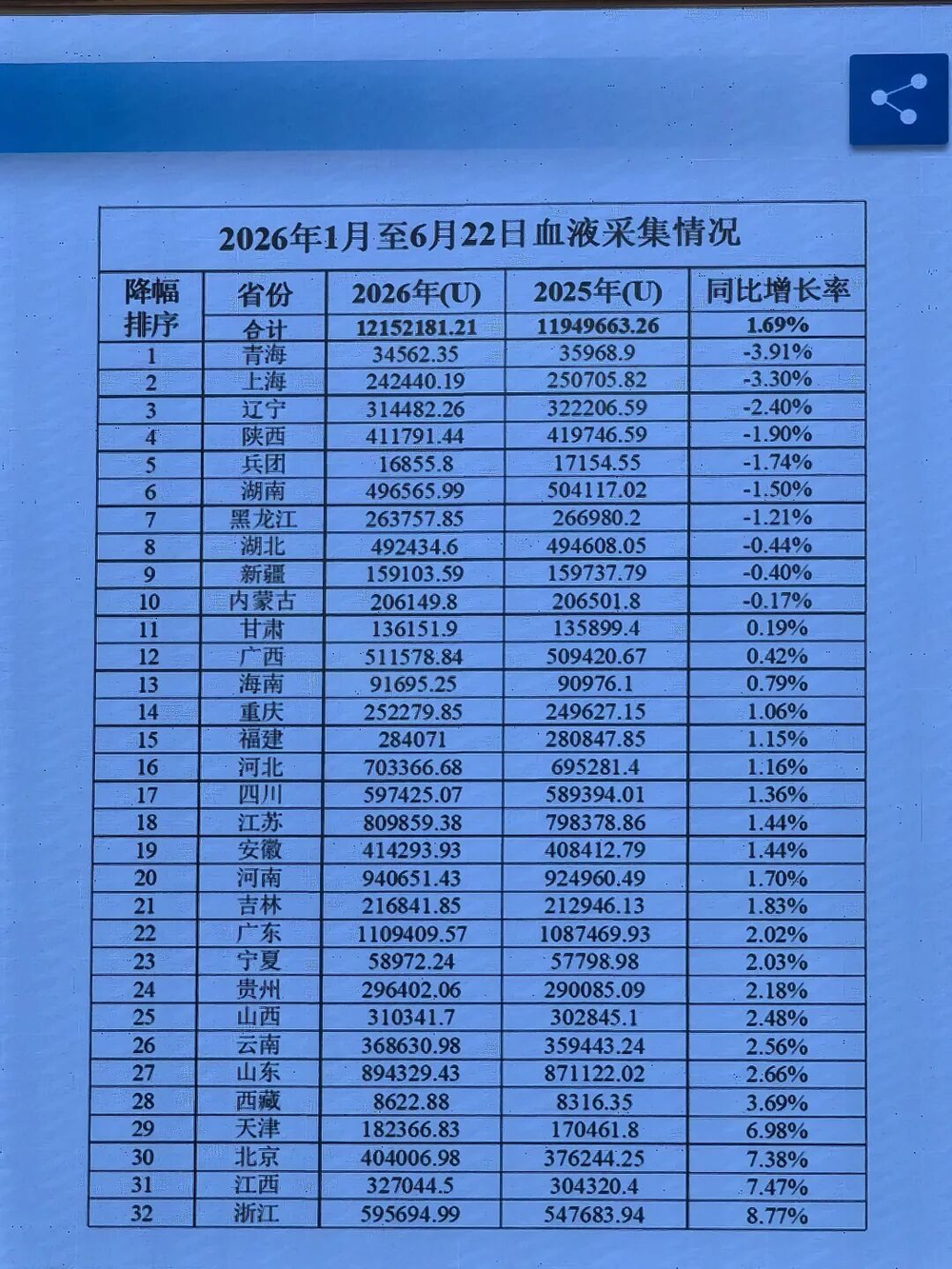
National blood donation volume shows a 'tight balance' with 10 provinces reporting declines.
Why It Matters
The shift toward digital management of blood donation and priority usage systems presents opportunities for data-driven healthcare infrastructure development.
What To Do Next
If building healthcare software, explore integrating with regional health data APIs to support public service infrastructure.
Key Points
- •National blood donation volume shows a 'tight balance' with 10 provinces reporting declines.
- •University student blood donors dropped by 55% between 2023 and 2025.
- •Proposed revision of the Blood Donation Law aims to raise the age limit to 65 and shorten donation intervals.
- •National Health Commission is building a national priority blood-use rights protection system.
🧠 Deep Insight
AI-generated analysis for this event — not the original article.
🔑 Enhanced Key Takeaways
- •The decline in student donors is largely attributed to post-pandemic shifts in campus social activities and increased academic pressure, which have reduced the frequency of mobile blood donation drives on university grounds.
- •China's demographic shift toward an aging population is creating a dual crisis: a shrinking pool of young, healthy donors and a simultaneous surge in demand for blood transfusions from elderly patients with chronic conditions.
- •The proposed legislative changes include a 'blood donation credit' system that aims to incentivize participation by offering priority access to blood products for donors and their immediate family members during emergencies.
- •Regional disparities in blood supply are being exacerbated by the uneven distribution of high-level medical centers, forcing some provinces to rely on inter-provincial blood transfers that are logistically complex and costly.
- •Public health experts are advocating for the integration of AI-driven demand forecasting models in blood centers to optimize inventory management and reduce wastage of short-shelf-life blood components.
🔮 Future ImplicationsAI analysis grounded in cited sources
⏳ Timeline
Weekly AI Recap
Read this week's curated digest of top AI events →
👉Related Updates

AI-curated news aggregator. All content rights belong to original publishers.
Original source: 虎嗅 ↗
This is a summary, not the original. Read the source, or get the weekly briefing.
Weekly AI briefing
One email a week. Unsubscribe anytime.