China's BCI industry enters clinical application phase
💡BCI is moving from sci-fi to clinical reality, with massive funding and policy support creating a new frontier for AI-in
⚡ 30-Second TL;DR
What Changed
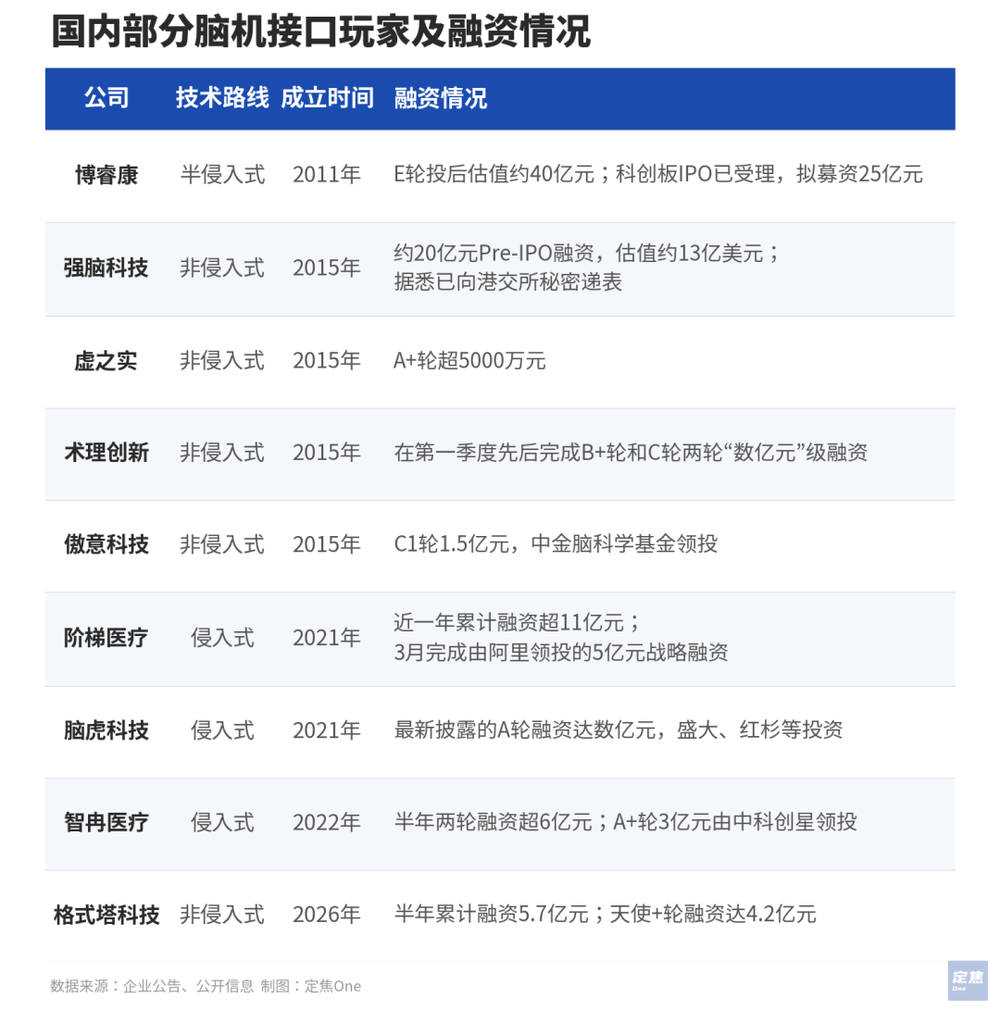
Boruikang's NEO-ONE SCI is the first invasive BCI device approved for clinical use in China
Why It Matters
The integration of BCI into medical insurance and clinical standards signals a shift from experimental research to a viable, scalable medical technology sector.
What To Do Next
Explore the BCI research landscape by reviewing open-source neural signal processing libraries like MNE-Python for signal decoding tasks.
Key Points
- •Boruikang's NEO-ONE SCI is the first invasive BCI device approved for clinical use in China
- •BrainHo's 'Three-All' system (fully implanted, wireless, full-function) enters clinical trials
- •Government policy and insurance coverage (e.g., Shanghai, Guangdong) are accelerating commercialization
🧠 Deep Insight
AI-generated analysis for this event — not the original article.
🔑 Enhanced Key Takeaways
- •China's Ministry of Industry and Information Technology (MIIT) has explicitly identified Brain-Computer Interfaces (BCI) as a 'future industry' priority in its 2024-2026 development roadmap, driving state-backed venture capital into the sector.
- •Boruikang's NEO-ONE SCI utilizes a high-density flexible electrode array designed to minimize glial scarring, a critical technical hurdle for long-term invasive BCI stability.
- •The 'Three-All' system by BrainHo incorporates proprietary low-power ASIC chips that enable real-time neural signal processing on-device, significantly reducing latency compared to external processing units.
- •Regional policy pilots in Shanghai and Guangdong have established specific reimbursement pathways for BCI-related neuro-rehabilitation services, marking the first time such procedures are being integrated into local medical insurance catalogs.
- •Clinical focus has shifted from basic motor restoration to 'closed-loop' systems that integrate sensory feedback, allowing patients to perceive tactile sensations through the BCI interface.
📊 Competitor Analysis▸ Show
| Feature | Boruikang (NEO-ONE) | BrainHo (Three-All) | Neuralink (N1) | Synchron (Stentrode) |
|---|---|---|---|---|
| Implantation | Invasive (Craniotomy) | Fully Implanted | Invasive (Robotic) | Minimally Invasive (Endovascular) |
| Primary Focus | Spinal Cord Injury | Motor/Cognitive | Motor/General | Motor/Paralysis |
| Data Transmission | Wireless | Wireless | Wireless | Wireless |
| Clinical Status | Approved (China) | Clinical Trials | Clinical Trials | Clinical Trials |
🛠️ Technical Deep Dive
- Electrode Array: Boruikang utilizes flexible, biocompatible polymer-based electrodes to reduce mechanical mismatch with brain tissue.
- Power Management: BrainHo's system employs transcutaneous inductive charging, allowing for fully sealed, wireless operation without percutaneous leads.
- Signal Processing: Systems utilize on-chip spike sorting and feature extraction to compress neural data before wireless transmission, preserving battery life.
- Latency: Current clinical iterations target sub-50ms latency for real-time motor control loops.
🔮 Future ImplicationsAI analysis grounded in cited sources
⏳ Timeline
Weekly AI Recap
Read this week's curated digest of top AI events →
👉Related Updates

AI-curated news aggregator. All content rights belong to original publishers.
Original source: 虎嗅 ↗
This is a summary, not the original. Read the source, or get the weekly briefing.
Weekly AI briefing
One email a week. Unsubscribe anytime.