China TV market shifts from specs to user experience
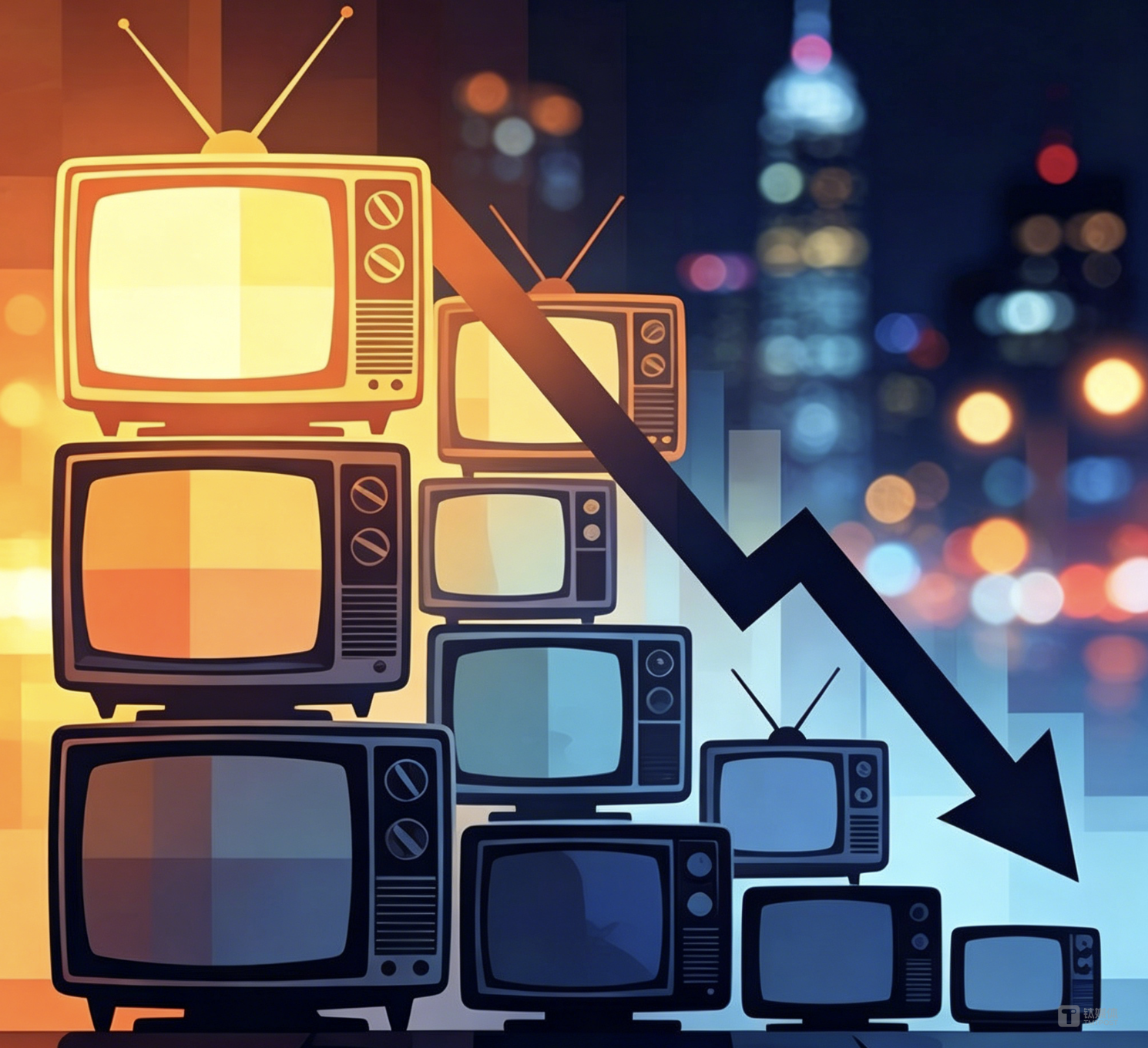
Learn how AI-driven UX is becoming the primary differentiator in the saturated smart home hardware market.
30-Second TL;DR
What Changed
TV sales in China have dropped by half
Why It Matters
Hardware manufacturers must integrate smarter, AI-driven software interfaces to remain competitive in a market that no longer values raw specs.
What To Do Next
Analyze user engagement data on smart TV platforms to identify features that drive retention beyond hardware performance.
Key Points
- •TV sales in China have dropped by half
- •Consumer preference shifting from hardware specs to user experience
- •Market saturation requires new value propositions beyond traditional parameters
Deep Insight
Background and context from public sources — not the original article. 27 sources cited.
Enhanced Key Takeaways
- •The Chinese TV market experienced a significant decline in Q1 2026, with shipments down 8.8% year-on-year to 8.065 million units and retail sales falling 11.4% to 6.4 million units, marking the fourth consecutive quarter of decline.
- •A major factor contributing to the recent sales decline in China was the cessation of government subsidies, which had previously encouraged consumer upgrades, leading to a 25.3% year-on-year drop in Q4 2025 shipments.
- •Despite the overall market downturn, Chinese consumers are increasingly opting for larger and premium TV models; the average screen size reached 64.3 inches in Q1 2026, and 75-inch models are the most popular, with the share of 75-inch and larger TVs approaching 40%.
- •AI and IoT integration are becoming critical drivers for user experience, enabling features like personalized content recommendations, advanced voice control, real-time picture and sound optimization, and seamless connectivity with other smart home devices.
- •Chinese TV brands like Hisense and TCL are aggressively expanding into international markets, including North America, Latin America, and the Middle East & Africa, to compensate for the weaker domestic demand, increasing their combined share of shipments into North America from 28.6% to 30.7% in Q4 2025.
Competitor Analysis
- Hisense
- VIDAA (outside US/China), Google TV, Roku
- TCL
- Google TV, Roku
- Xiaomi
- PatchWall (Android TV base)
- Samsung (Global)
- Tizen
- LG (Global)
- WebOS
- Hisense
- Mini LED, ULED
- TCL
- Mini LED, QLED
- Xiaomi
- Mini LED
- Samsung (Global)
- QLED, Neo QLED (Mini LED), MicroLED, OLED
- LG (Global)
- OLED
- Hisense
- VIDAA (tailored recommendations, smart home integration), AI-powered OS
- TCL
- AI Voice Interaction, AI Picture/Sound Engine, AI Interconnection (Google Assistant/Alexa built-in)
- Xiaomi
- Deeply integrated with Mi Home devices, gesture navigation
- Samsung (Global)
- AI features for content optimization, upscaling, personalized functions
- LG (Global)
- ThinQ AI (natural language, smart home, AI Picture/Sound Pro)
- Hisense
- Strong in B2C, global expansion, strategic pricing
- TCL
- Excels in premium segments (Mini LED), global expansion
- Xiaomi
- Competitive pricing, smart home ecosystem
- Samsung (Global)
- Global market leader, strong in premium (OLED, MicroLED)
- LG (Global)
- Strong in premium (OLED)
- Hisense
- 25-40% cost advantage
- TCL
- 25-40% cost advantage
- Xiaomi
- Competitive
- Samsung (Global)
- Premium
- LG (Global)
- Premium
| Feature/Brand | Hisense | TCL | Xiaomi | Samsung (Global) | LG (Global) |
|---|---|---|---|---|---|
| Primary OS | VIDAA (outside US/China), Google TV, Roku | Google TV, Roku | PatchWall (Android TV base) | Tizen | WebOS |
| Key Display Tech | Mini LED, ULED | Mini LED, QLED | Mini LED | QLED, Neo QLED (Mini LED), MicroLED, OLED | OLED |
| AI Features | VIDAA (tailored recommendations, smart home integration), AI-powered OS | AI Voice Interaction, AI Picture/Sound Engine, AI Interconnection (Google Assistant/Alexa built-in) | Deeply integrated with Mi Home devices, gesture navigation | AI features for content optimization, upscaling, personalized functions | ThinQ AI (natural language, smart home, AI Picture/Sound Pro) |
| Market Position | Strong in B2C, global expansion, strategic pricing | Excels in premium segments (Mini LED), global expansion | Competitive pricing, smart home ecosystem | Global market leader, strong in premium (OLED, MicroLED) | Strong in premium (OLED) |
| Price Advantage (vs. Korean/Japanese) | 25-40% cost advantage | 25-40% cost advantage | Competitive | Premium | Premium |
Technical Deep Dive
- Smart TV Operating Systems: Android TV holds the largest market share in China, favored for its robust app ecosystem and integration with Google services. Hisense utilizes its proprietary Linux-based VIDAA OS, optimized for speed and fluid user experience with HTML5-based web apps, requiring minimal resources (e.g., 1.5 GB RAM, quad-core processor). Huawei is developing HarmonyOS NEXT, a native operating system designed for the IoT era, moving away from Android kernel compatibility to offer a seamless experience across various devices. Xiaomi's PatchWall OS is built on an Android TV base and integrates deeply with Mi Home devices, offering gesture navigation.
- Artificial Intelligence Integration: AI in smart TVs leverages machine learning, natural language processing, and data analytics to enhance user experience. Key functionalities include intelligent content recommendations based on viewing habits, advanced voice control (often with built-in assistants like Google Assistant or Alexa), real-time picture and sound optimization (e.g., scene recognition, ambient light sensing, AI upscaling for lower-resolution content), and seamless smart home integration, allowing the TV to act as a central hub for connected devices.
- Advanced Display Technologies: The market sees a strong push towards premium display technologies. Chinese brands like Hisense and TCL are heavily investing in Mini LED technology. Concurrently, OLED technology is rapidly gaining traction in China's premium TV segment, projected to capture nearly 80% market share by 2025.
- IoT Connectivity: Smart TVs are evolving to become central to the Internet of Things (IoT) ecosystem, offering multi-device interaction and enhanced connectivity with mobile phones and various smart home appliances. This aims to create a more intelligent and integrated home environment.
Future ImplicationsAI analysis grounded in cited sources
Timeline
- 2014-04Hisense launched its proprietary VIDAA operating system for smart TVs.
- 2015Smart TV penetration rate in China reached 73%, indicating widespread adoption of smart features.
- 2017China's TV sales experienced their biggest drop in 14 years, down 6.6% year-on-year, signaling early market saturation.
- 2019Huawei launched HarmonyOS, initially used in smart TVs, aiming for a cross-device IoT ecosystem.
- 2025-Q3China's TV shipments dropped over 11% due to the end of government subsidies, impacting global TV market trends.
- 2026-Q1The Chinese TV market continued its decline, with shipments down 8.8% and retail sales down 11.4% year-on-year.
Sources (27)
Factual claims are grounded in the sources below. Forward-looking analysis is AI-generated interpretation.
Weekly AI Recap
Read this week's curated digest of top AI events →
AI-curated news aggregator. All content rights belong to original publishers.
Original source: 钛媒体 ↗
This is a summary, not the original. Read the source, or get the weekly briefing.
The weekly digest
One email a week. Unsubscribe anytime.