China launches first AI-powered cancer vaccine production line
💡See how AI is moving from digital tasks to physical pharmaceutical manufacturing for personalized medicine.
⚡ 30-Second TL;DR
What Changed
Likang Life Sciences is investing 110 million yuan in a new research and manufacturing center.
Why It Matters
This marks a significant step in integrating AI into precision medicine and pharmaceutical manufacturing in China. It could accelerate the development timeline for personalized immunotherapy.
What To Do Next
Monitor Likang Life Sciences' clinical trial progress to understand how AI-driven manufacturing impacts regulatory approval timelines for biologics.
Key Points
- •Likang Life Sciences is investing 110 million yuan in a new research and manufacturing center.
- •The facility focuses on personalized tumor vaccine production using AI assistance.
- •The project is located in the Beijing Economic and Technological Development Zone and is expected to be completed by October.
🧠 Deep Insight
AI-generated analysis for this event — not the original article.
🔑 Enhanced Key Takeaways
- •Likang Life Sciences utilizes a proprietary AI platform named 'Neoantigen Prediction Engine' to identify tumor-specific mutations for vaccine formulation.
- •The facility is designed to comply with Good Manufacturing Practice (GMP) standards to facilitate rapid clinical trial progression and eventual commercialization.
- •The production line integrates automated microfluidic synthesis technology to reduce the turnaround time for personalized neoantigen vaccine manufacturing.
- •This initiative aligns with China's broader 'Healthy China 2030' strategy, which emphasizes the integration of advanced digital technologies into domestic biopharmaceutical manufacturing.
- •Likang Life Sciences has previously secured strategic partnerships with major Chinese research hospitals to validate their AI-driven vaccine candidates in multi-center clinical trials.
📊 Competitor Analysis▸ Show
| Feature | Likang Life Sciences (China) | BioNTech (Germany) | Moderna (USA) |
|---|---|---|---|
| AI Integration | Proprietary Neoantigen Engine | AI-driven target discovery | AI-optimized mRNA design |
| Manufacturing | Automated microfluidic line | Decentralized 'BioNTainers' | Automated mRNA platforms |
| Focus | Personalized tumor vaccines | mRNA-based cancer vaccines | mRNA-based cancer vaccines |
| Market | China-centric | Global | Global |
🛠️ Technical Deep Dive
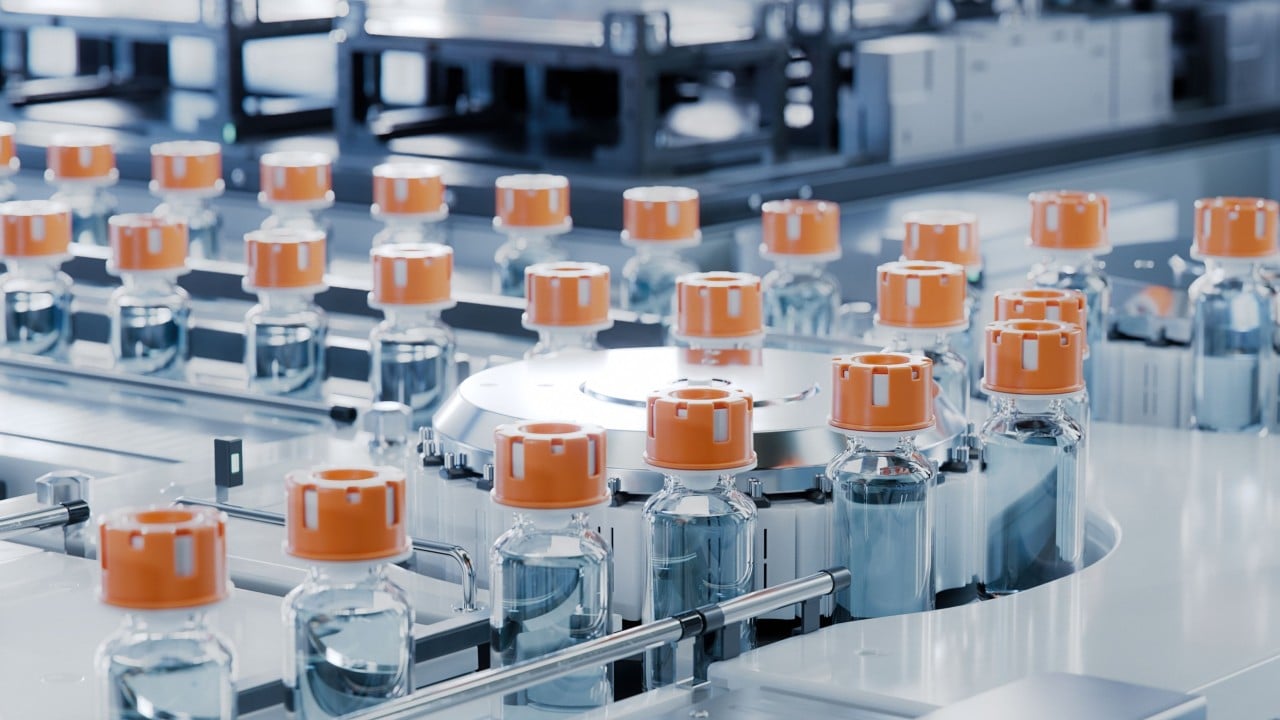
- The production line employs a closed-loop automated system that minimizes human intervention, reducing the risk of contamination in personalized batches.
- The AI model architecture leverages deep learning algorithms trained on multi-omics data (genomics, transcriptomics, and proteomics) to predict MHC-binding affinity.
- Implementation includes real-time quality control sensors that monitor synthesis parameters, ensuring each personalized dose meets strict molecular weight and purity specifications.
- The facility utilizes a modular design, allowing for the simultaneous production of multiple patient-specific vaccine batches without cross-contamination.
🔮 Future ImplicationsAI analysis grounded in cited sources
⏳ Timeline
Weekly AI Recap
Read this week's curated digest of top AI events →
👉Related Updates

AI-curated news aggregator. All content rights belong to original publishers.
Original source: SCMP Technology ↗
This is a summary, not the original. Read the source, or get the weekly briefing.
Weekly AI briefing
One email a week. Unsubscribe anytime.