Chen Zhen's Robots Fry Kitchen Chicken
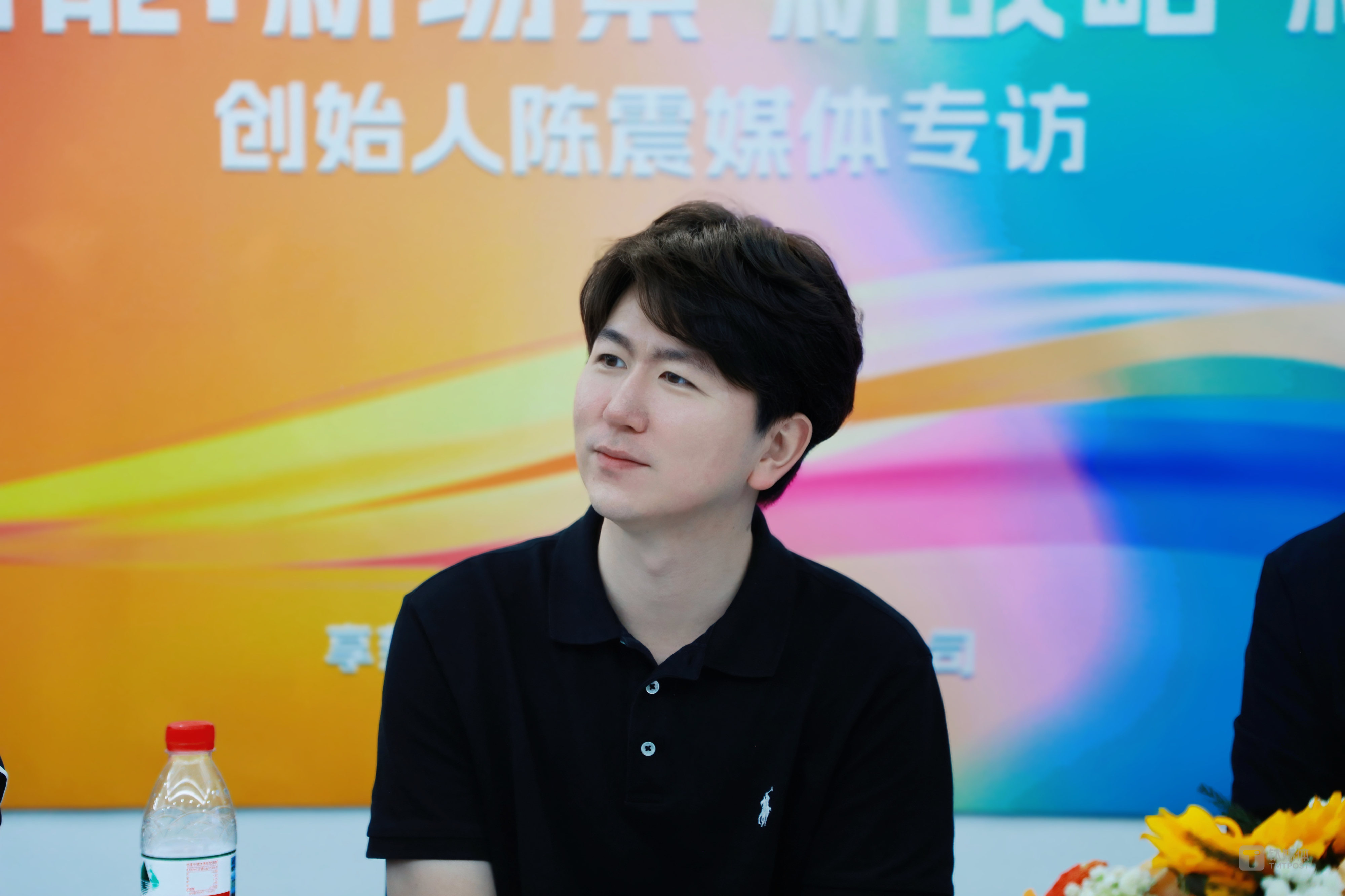
💡Embodied AI skips dances for kitchen frying: real commercialization path in services
⚡ 30-Second TL;DR
What Changed
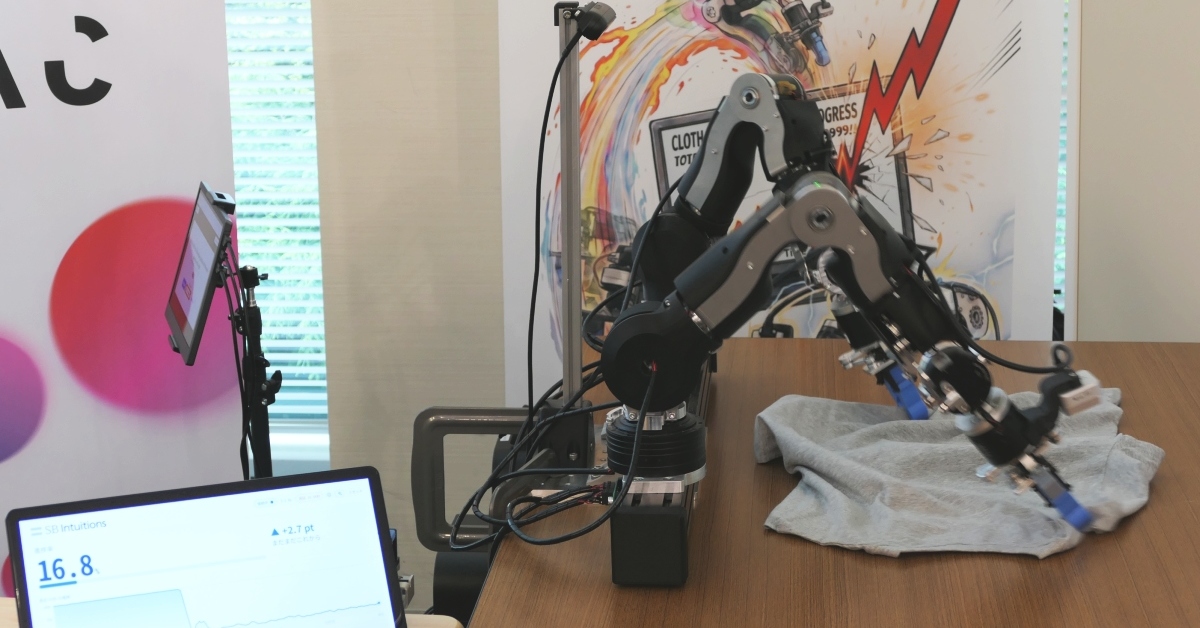
Chen Zhen's robots focus on frying chicken nuggets in restaurant kitchens.
Why It Matters
Highlights shift from demo robotics to real-world service applications, potentially accelerating embodied AI adoption in labor sectors. Offers blueprint for practitioners seeking commercial viability.
What To Do Next
Prototype a kitchen task robot using embodied AI frameworks like ROS for service industry testing.
Key Points
- •Chen Zhen's robots focus on frying chicken nuggets in restaurant kitchens.
- •Avoids viral demos like dancing, punching, or screw-tightening.
- •Targets catering/hotels for embodied AI commercialization.
- •Pragmatic path to future home robot applications.
🧠 Deep Insight
AI-generated analysis for this event — not the original article.
🔑 Enhanced Key Takeaways
- •Chen Zhen is the founder of the robotics startup 'Agile Robots' (or a related venture focusing on industrial-grade embodied AI), which emphasizes high-precision force control technology to handle delicate food items without damage.
- •The business model prioritizes 'Robotics-as-a-Service' (RaaS) to lower the barrier to entry for small-to-medium catering businesses, allowing them to lease the frying units rather than purchasing expensive hardware upfront.
- •The system utilizes a proprietary vision-language-action (VLA) model trained specifically on kitchen-environment visual data to handle edge cases like oil splashes, steam, and varying nugget sizes, which are common failure points for general-purpose robots.
📊 Competitor Analysis▸ Show
| Feature | Chen Zhen's Robot | Miso Robotics (Flippy) | Bear Robotics |
|---|---|---|---|
| Primary Focus | High-precision frying | Automated fry station | Food delivery/logistics |
| Pricing Model | RaaS (Lease) | Subscription/Lease | Lease/Purchase |
| Key Tech | Force-control AI | Computer Vision/Conveyor | SLAM/Navigation |
🛠️ Technical Deep Dive
- •Hardware: Employs a 7-DOF (Degrees of Freedom) robotic arm with integrated torque sensors in every joint for human-like compliance.
- •Software: Architecture based on a transformer-based VLA model that processes real-time video feeds at 60fps to adjust grip pressure dynamically.
- •Safety: Implements a 'fail-safe' hardware layer that cuts power to actuators within 10ms if an unexpected collision with a human operator is detected.
- •Integration: Uses a modular API that connects directly to restaurant POS systems to trigger frying cycles based on incoming order volume.
🔮 Future ImplicationsAI analysis grounded in cited sources
⏳ Timeline
Weekly AI Recap
Read this week's curated digest of top AI events →
👉Related Updates

AI-curated news aggregator. All content rights belong to original publishers.
Original source: 钛媒体 ↗
This is a summary, not the original. Read the source, or get the weekly briefing.
The weekly digest
One email a week. Unsubscribe anytime.