Carnivorous plants selectively release prey to conserve energy
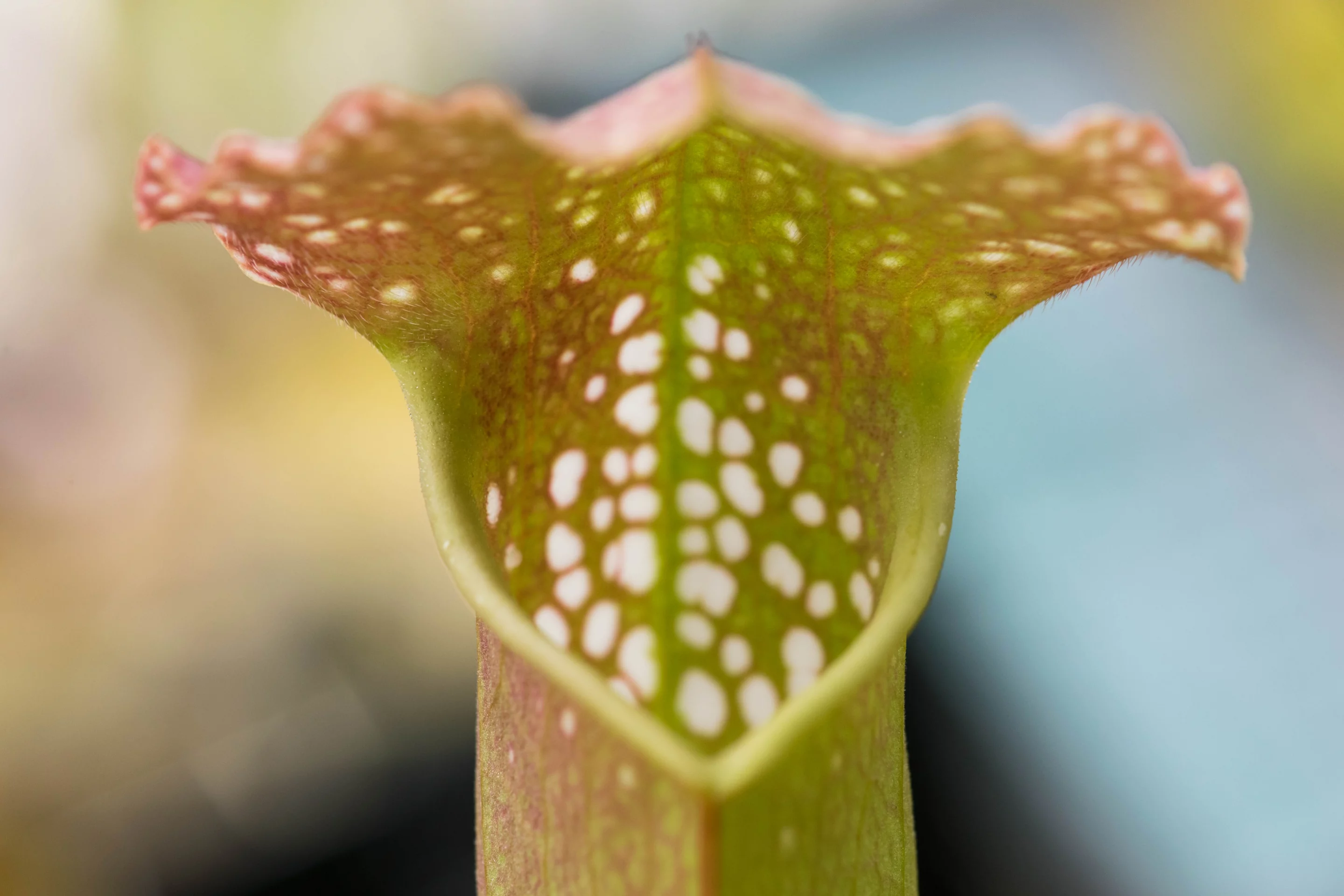
💡Discover how biological resource optimization can inspire more efficient AI agent decision-making.
⚡ 30-Second TL;DR
What Changed
Discovered selective prey consumption in carnivorous plants
Why It Matters
This finding provides new insights into biological optimization algorithms, which can inspire more efficient resource-allocation models in AI agents.
What To Do Next
Study biological resource-optimization patterns to improve efficiency in multi-agent reinforcement learning environments.
Key Points
- •Discovered selective prey consumption in carnivorous plants
- •Plants optimize energy expenditure based on nutritional needs
- •Challenges traditional biological models of predatory behavior
🧠 Deep Insight
Web-grounded analysis with 26 cited sources.
🔑 Enhanced Key Takeaways
- •Carnivory in plants has evolved independently at least 11 to 12 times across different lineages, often by repurposing existing genes and signaling pathways that originally served in plant defense against herbivores and pathogens.
- •Carnivorous plants primarily acquire essential minerals like nitrogen and phosphorus from prey to supplement their diet in nutrient-poor environments, rather than for energy, which they obtain through photosynthesis.
- •Beyond simple attraction, some carnivorous plants, such as pitcher plants, emit distinct and intricate scent profiles that specifically lure certain types of prey, indicating a more sophisticated prey-selection strategy than previously understood.
- •The Venus flytrap (Dionaea muscipula) employs a sophisticated 'counting' mechanism, where multiple touches (e.g., five) on its trigger hairs are required to initiate full digestion, preventing energy waste on small or false alarms and regulating enzyme secretion based on prey struggle.
- •Some pitcher plants, like Nepenthes gracilis, utilize passive-dynamic movement, where the impact of raindrops on their lid acts as a springboard to catapult insects into the trap, demonstrating an energy-efficient method of prey capture that requires no metabolic energy for the movement itself.
🛠️ Technical Deep Dive
- Prey Detection and Trap Activation:
- Venus Flytrap (Dionaea muscipula): Touch-sensitive trigger hairs on the trap's inner surface generate electrical signals (action potentials) upon mechanical stimulation. Two touches within approximately 20 seconds trigger the trap to snap shut. Further touches (e.g., five) induce the secretion of digestive enzymes and absorption proteins.
- Molecular Basis of Touch Sensitivity: The protein FLYCATCHER1 has been identified as a key component in the touch-sensing mechanisms of Venus flytraps and sundews, facilitating the electrical current response to mechanical stimuli.
- Nutrient Sensing: The plant can 'memorize' the number of action potentials, converting them into a chemical signal (jasmonic acid, JA) that informs it about the prey's size and potential nutrient content, thereby regulating the digestive process.
- Digestion and Nutrient Absorption:
- Enzyme Secretion: Carnivorous plants produce a cocktail of hydrolytic enzymes (e.g., proteases, chitinases, phosphatases) and acids to break down prey. This process is often regulated by the jasmonate signaling pathway, particularly in species like the Venus flytrap and some pitcher plants.
- Nutrient Uptake: Specialized glandular cells on the trap surfaces absorb the liberated nutrients (amino acids, sugars, nitrogen, phosphorus, potassium) from the digested prey.
- Energy Conservation in Digestion: Small gaps in Venus flytrap traps allow tiny, less nutritious insects to escape, preventing the plant from expending energy on digestion that wouldn't yield sufficient returns. The secretion of digestive enzymes also increases in rate only when certain substances from an enclosed prey are detected.
- Diverse Trapping Mechanisms:
- Snap Traps: (e.g., Venus flytrap, waterwheel plant) Rapidly closing lobes triggered by touch.
- Pitfall Traps: (e.g., Nepenthes, Sarracenia, Cephalotus) Modified leaves form a pitcher filled with digestive fluid; slippery surfaces and nectar lure prey. Some, like Nepenthes gracilis, use rain-driven lid movements.
- Sticky Traps (Flypaper): (e.g., Drosera, Pinguicula) Glandular hairs secrete a sticky mucilage to ensnare prey. Some tentacles can actively bend to maximize contact.
- Suction Traps: (e.g., Utricularia) Tiny bladders create a vacuum to suck in aquatic prey, representing some of the fastest plant movements.
- Pigeon/Lobster Pot Traps: (e.g., Genlisea, Sarracenia psittacina) Inward-pointing hairs or structures allow prey entry but prevent escape.
- Symbiotic Digestion: Some carnivorous plants, such as Roridula, do not produce their own digestive enzymes but instead rely on symbiotic assassin bugs to consume trapped insects, absorbing nutrients from the bugs' feces.
🔮 Future ImplicationsAI analysis grounded in cited sources
⏳ Timeline
📎 Sources (26)
Factual claims are grounded in the sources below. Forward-looking analysis is AI-generated interpretation.
- bohrium.com
- nih.gov
- knowablemagazine.org
- bigthink.com
- tandfonline.com
- smithsonianmag.com
- discovermagazine.com
- hungryplants.co.za
- quora.com
- nih.gov
- botany.one
- natureasia.com
- willyvanstrien.nl
- pnas.org
- bristol.ac.uk
- labmanager.com
- nih.gov
- salk.edu
- carnivorousplants.org
- ubc.ca
- wikipedia.org
- psu.edu
- frontiersin.org
- forbes.com
- carnivorousplants.org
- ox.ac.uk
Weekly AI Recap
Read this week's curated digest of top AI events →
👉Related Updates
Same topic
Explore #bio-inspired-ai
Same product
More on carnivorous-plant-behavior-study
Same source
Latest from cnBeta (Full RSS)

First Contagious Cancer Discovered in North American Freshwater Fish

PACA: Open-source tool for ancient fossil coordinate mapping

First atmosphere detected on habitable-zone exoplanet

Samsung Secures $200B Broadcom AI Infrastructure Deal
AI-curated news aggregator. All content rights belong to original publishers.
Original source: cnBeta (Full RSS) ↗