Car manufacturers are ditching Android Auto in 2026
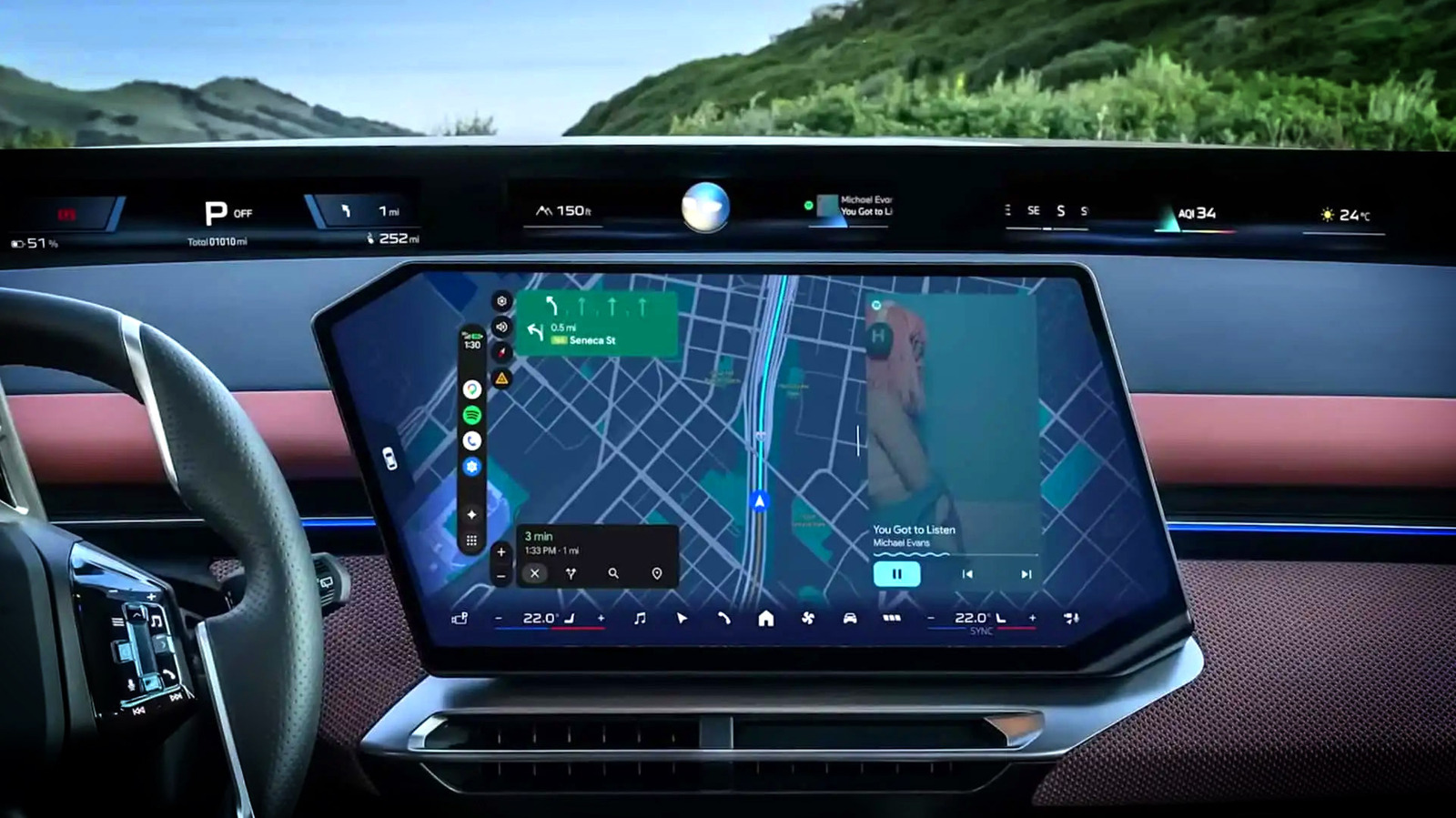
💡Understand the shift in automotive OS strategy and how it impacts the future of in-car software development.
⚡ 30-Second TL;DR
What Changed
Automakers aim to reclaim control over the in-car software ecosystem
Why It Matters
This move signals a fragmentation of the automotive OS market, potentially forcing developers to build for multiple proprietary platforms instead of a unified standard.
What To Do Next
If you are building automotive apps, pivot your roadmap to support native SDKs for major car manufacturers instead of relying solely on Android Auto projection.
Key Points
- •Automakers aim to reclaim control over the in-car software ecosystem
- •Proprietary systems allow manufacturers to monetize user data and services directly
- •The shift threatens the dominance of Google's projection-based automotive software
🧠 Deep Insight
AI-generated analysis for this event — not the original article.
🔑 Enhanced Key Takeaways
- •Automakers are increasingly adopting Android Automotive OS (AAOS) as a base layer, allowing them to retain the Android ecosystem while customizing the user interface and data collection layers.
- •The transition is driven by the 'Software-Defined Vehicle' (SDV) paradigm, where manufacturers seek to integrate vehicle telematics and battery management directly into the infotainment stack.
- •Regulatory bodies in the EU and US are scrutinizing these proprietary systems for potential antitrust violations regarding 'walled garden' app ecosystems.
- •Many manufacturers are partnering with cloud providers like AWS and Microsoft Azure to handle the massive data ingestion requirements of these new proprietary platforms.
- •Consumer backlash regarding the loss of familiar interfaces like Google Maps and Spotify integration has forced some manufacturers to offer 'hybrid' modes that support projection alongside proprietary software.
📊 Competitor Analysis▸ Show
| Feature | Android Auto (Projection) | Proprietary SDV Systems | Apple CarPlay (Next-Gen) |
|---|---|---|---|
| Data Ownership | Google-centric | Manufacturer-centric | Apple-centric |
| Integration Depth | Limited (Projection only) | Deep (Vehicle hardware) | Deep (Instrument cluster) |
| App Ecosystem | Extensive (Play Store) | Restricted/Curated | Limited (Apple-vetted) |
| Monetization | Indirect (Ads/Services) | Direct (Subscriptions) | Indirect (Hardware lock-in) |
🛠️ Technical Deep Dive
- Shift from projection-based protocols (Android Auto) to native Linux-based or QNX-based operating systems.
- Implementation of Automotive Grade Linux (AGL) or Android Automotive OS (AAOS) as the middleware layer.
- Integration of vehicle-to-everything (V2X) communication protocols directly into the infotainment kernel.
- Utilization of high-performance SoCs (System on Chips) like Qualcomm Snapdragon Ride or NVIDIA DRIVE to handle multi-display rendering.
- Transition to Over-the-Air (OTA) update architectures that allow for granular control over vehicle performance features via the infotainment interface.
🔮 Future ImplicationsAI analysis grounded in cited sources
⏳ Timeline
Weekly AI Recap
Read this week's curated digest of top AI events →
👉Related Updates

AI-curated news aggregator. All content rights belong to original publishers.
Original source: Engadget ↗
This is a summary, not the original. Read the source, or get the weekly briefing.
Weekly AI briefing
One email a week. Unsubscribe anytime.