Camera-Equipped AirPods Reportedly Delayed Until 2027

💡Apple may bring camera-based Visual Intelligence to a mass-market audio wearable by 2027.
⚡ 30-Second TL;DR
What Changed
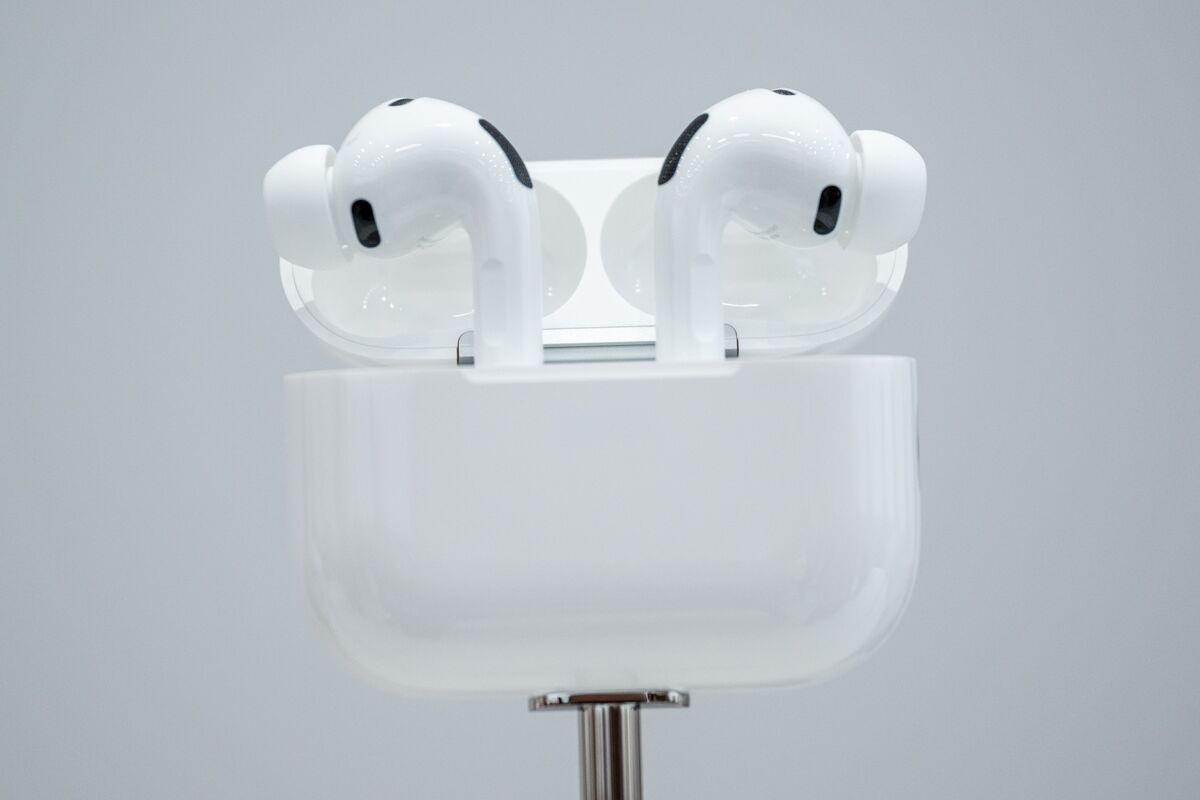
Camera-equipped AirPods are reportedly targeted for 2027.
Why It Matters
The concept could extend Apple's ambient AI strategy into an always-available wearable form factor. For AI builders, it signals potential future demand for multimodal experiences combining audio, vision, and contextual assistance.
What To Do Next
Review your wearable-AI roadmap and prototype multimodal flows that combine camera context with voice interaction, without depending on unreleased AirPods hardware.
Key Points
- •Camera-equipped AirPods are reportedly targeted for 2027.
- •A leaked macOS video shows the earbuds using Visual Intelligence.
- •The product remains unannounced and the timeline is based on leaks.
🧠 Deep Insight
AI-generated analysis for this event.
🔑 Enhanced Key Takeaways
- •The project, internally codenamed 'B798', reportedly involves integrating low-resolution camera sensors into the AirPods housing to capture environmental data for AI processing.
- •Apple is exploring the use of these cameras to enhance spatial audio experiences by tracking head movement and environmental acoustics more precisely than current IMU sensors.
- •Industry analysts suggest the primary use case for 'Visual Intelligence' in this form factor is to provide context-aware assistance, such as identifying objects or text in the user's field of view.
- •Supply chain reports indicate that Apple has been testing camera modules with a focus on miniaturization to maintain the current AirPods form factor without significantly increasing weight or battery drain.
- •Privacy concerns have been a major hurdle for the development team, leading to discussions about on-device processing to ensure that visual data is not uploaded to the cloud.
📊 Competitor Analysis▸ Show
| Feature | Apple Camera AirPods (Rumored) | Meta Ray-Ban Smart Glasses | Google Glass Enterprise (Discontinued) |
|---|---|---|---|
| Form Factor | In-Ear Earbuds | Eyewear | Eyewear |
| Primary Input | Visual Intelligence/AI | Voice/Camera/Touch | Voice/Touch |
| Pricing | Unknown (Premium) | $299 - $379 | $999+ |
| Key Benchmark | Spatial Context/AI | Social/Media Capture | Enterprise Workflow |
🛠️ Technical Deep Dive
- Sensor Integration: Utilization of miniature CMOS image sensors designed for ultra-low power consumption to prevent thermal throttling in a compact earbud chassis.
- AI Architecture: Likely integration with Apple's Neural Engine, leveraging on-device Large Multimodal Models (LMMs) to process visual input in real-time.
- Connectivity: Expected to rely on an upgraded H-series or future iteration of Apple Silicon to handle high-bandwidth data streams between the earbuds and the paired iPhone.
- Power Management: Implementation of advanced power-gating techniques to activate the camera only when triggered by specific user gestures or voice commands to preserve battery life.
🔮 Future ImplicationsAI analysis grounded in cited sources
⏳ Timeline
Weekly AI Recap
Read this week's curated digest of top AI events →
👉Related Updates



AI-curated news aggregator. All content rights belong to original publishers.
Original source: Digital Trends ↗