Calvin Klein Hangzhou stores face labor disputes
💡Understand the risks of franchise-based retail models in China and their impact on brand reputation and operations.
⚡ 30-Second TL;DR
What Changed
Hangzhou stores are under a franchise/managed model, not direct operation.
Why It Matters
The dispute highlights the reputational risks brands face when relying on third-party distributors for retail operations in China. It underscores the importance of strict oversight in franchise management to avoid legal and public relations fallout.
What To Do Next
If building a retail-tech or supply chain solution, implement automated compliance monitoring for third-party partners to mitigate operational risks.
Key Points
- •Hangzhou stores are under a franchise/managed model, not direct operation.
- •Employees face wage arrears from the former operator, Hangzhou Xinchen.
- •New operator, Anzi Jinzheng, does not recognize previous seniority for staff.
- •PVH is actively coordinating to protect employee rights and maintain brand reputation.
🧠 Deep Insight
Background and context from public sources — not the original article. 12 sources cited.
🔑 Enhanced Key Takeaways
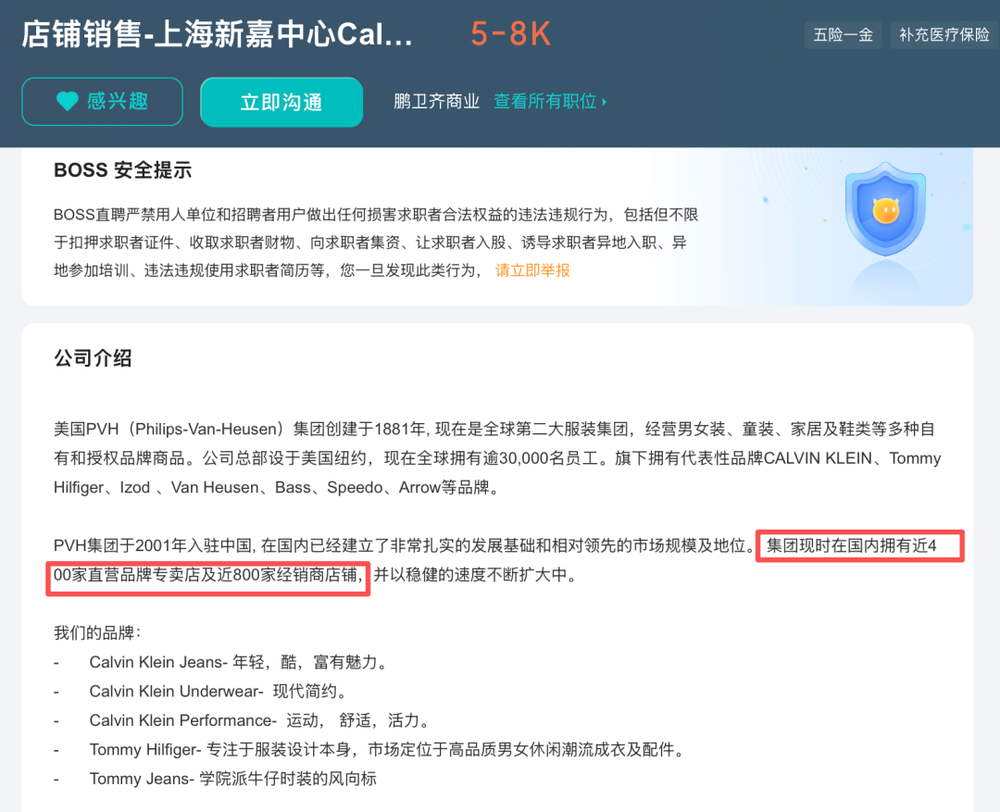
- •PVH, Calvin Klein's parent company, operates a substantial franchise network in China, with reports indicating approximately 800 franchise stores alongside 400 directly operated stores as of September 2024, underscoring the scale of its reliance on the franchise model in the region.
- •The labor dispute at Calvin Klein's Hangzhou stores is unfolding within a broader economic context in China marked by increasing wage arrears and labor unrest across various sectors, particularly in the private sector, during late 2025 and early 2026, driven by economic slowdown and deflationary pressures.
- •Concurrently with the Hangzhou labor issues, PVH has been under investigation by China's Ministry of Commerce since September 2024 for alleged "improper behavior" related to cotton sourcing from the Xinjiang region, a situation that could lead to its inclusion on China's "unreliable entities list" and further operational restrictions.
🔮 Future ImplicationsAI analysis grounded in cited sources
⏳ Timeline
📎 Sources (12)
Factual claims are grounded in the sources below. Forward-looking analysis is AI-generated interpretation.
Weekly AI Recap
Read this week's curated digest of top AI events →
👉Related Updates
AI-curated news aggregator. All content rights belong to original publishers.
Original source: 虎嗅 ↗
This is a summary, not the original. Read the source, or get the weekly briefing.
Weekly AI briefing
One email a week. Unsubscribe anytime.