Calls for National AI Regulation Grow
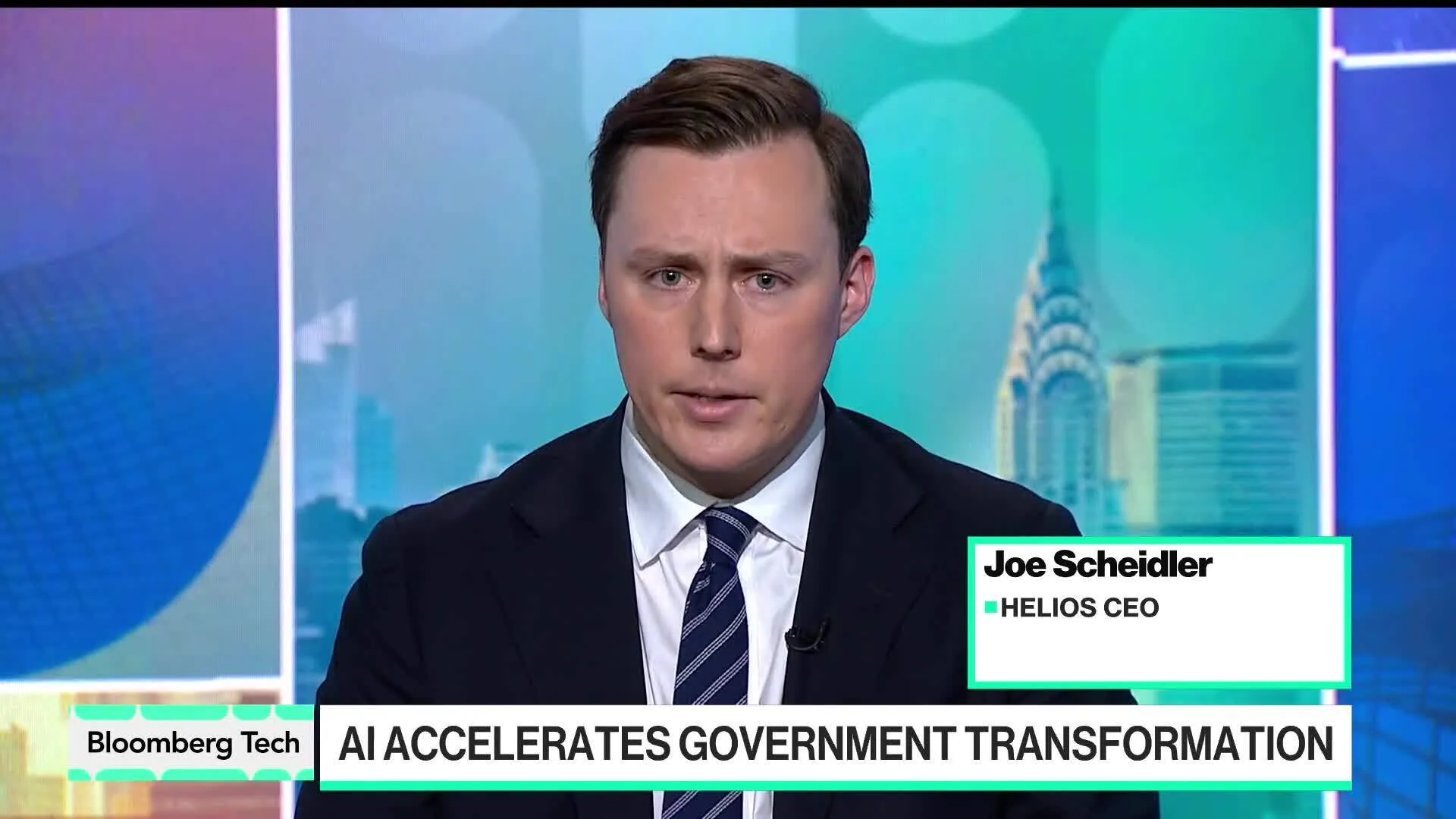
💡US AI reg calls grow; over-regulation risks stifling agentic AI innovation (ex-Advisor warns)
⚡ 30-Second TL;DR
What Changed
Growing calls for national-level AI regulation in the US
Why It Matters
Rising regulation calls could slow innovation in agentic AI, affecting developers building autonomous systems. Public-private AI tools like Helios may face compliance hurdles.
What To Do Next
Review agentic workflows in your AI projects for potential US regulatory impacts.
Key Points
- •Growing calls for national-level AI regulation in the US
- •Helios CEO Joe Scheidler cautions against over-regulation of agentic workflows
- •Scheidler is former White House and State Department advisor
- •Helios develops AI operating systems for public-private interactions
🧠 Deep Insight
AI-generated analysis for this event — not the original article.
🔑 Enhanced Key Takeaways
- •The push for national regulation is largely driven by the 'AI Safety and Security Act of 2026' currently under debate in the Senate, which aims to establish federal oversight for autonomous agentic systems.
- •Helios's proprietary 'OS-A' architecture is designed to sandbox agentic workflows, allowing for real-time auditability and human-in-the-loop intervention, which Scheidler argues is a superior alternative to blanket legislative bans.
- •Industry analysts note that Helios has recently secured a $400M Series C funding round, positioning it as a primary contractor for federal agencies looking to integrate secure AI agents into public infrastructure.
📊 Competitor Analysis▸ Show
| Feature | Helios (OS-A) | Anthropic (Claude Enterprise) | OpenAI (Operator) |
|---|---|---|---|
| Primary Focus | Public-Private Infrastructure | Enterprise Knowledge Work | Consumer/Developer Automation |
| Auditability | Native Sandbox/Audit Logs | Limited/API-based | Limited/Black-box |
| Deployment | On-Prem/Gov-Cloud | Cloud-Native | Cloud-Native |
| Pricing | Custom/Enterprise Contract | Per-Seat Subscription | Usage-based API |
🛠️ Technical Deep Dive
- Helios OS-A utilizes a 'Hierarchical Agentic Controller' (HAC) architecture that separates task planning from execution environments.
- Implements 'Deterministic Guardrail Layers' that intercept API calls made by agents to external systems, enforcing policy-based constraints before execution.
- Uses a 'State-Snapshot' mechanism that allows for the rollback of agentic actions in public-private workflows if a safety violation is detected.
🔮 Future ImplicationsAI analysis grounded in cited sources
⏳ Timeline
Weekly AI Recap
Read this week's curated digest of top AI events →
👉Related Updates
AI-curated news aggregator. All content rights belong to original publishers.
Original source: Bloomberg Technology ↗
This is a summary, not the original. Read the source, or get the weekly briefing.
The weekly digest
One email a week. Unsubscribe anytime.