California proposes mandatory 'gun-blocking' software for 3D printers
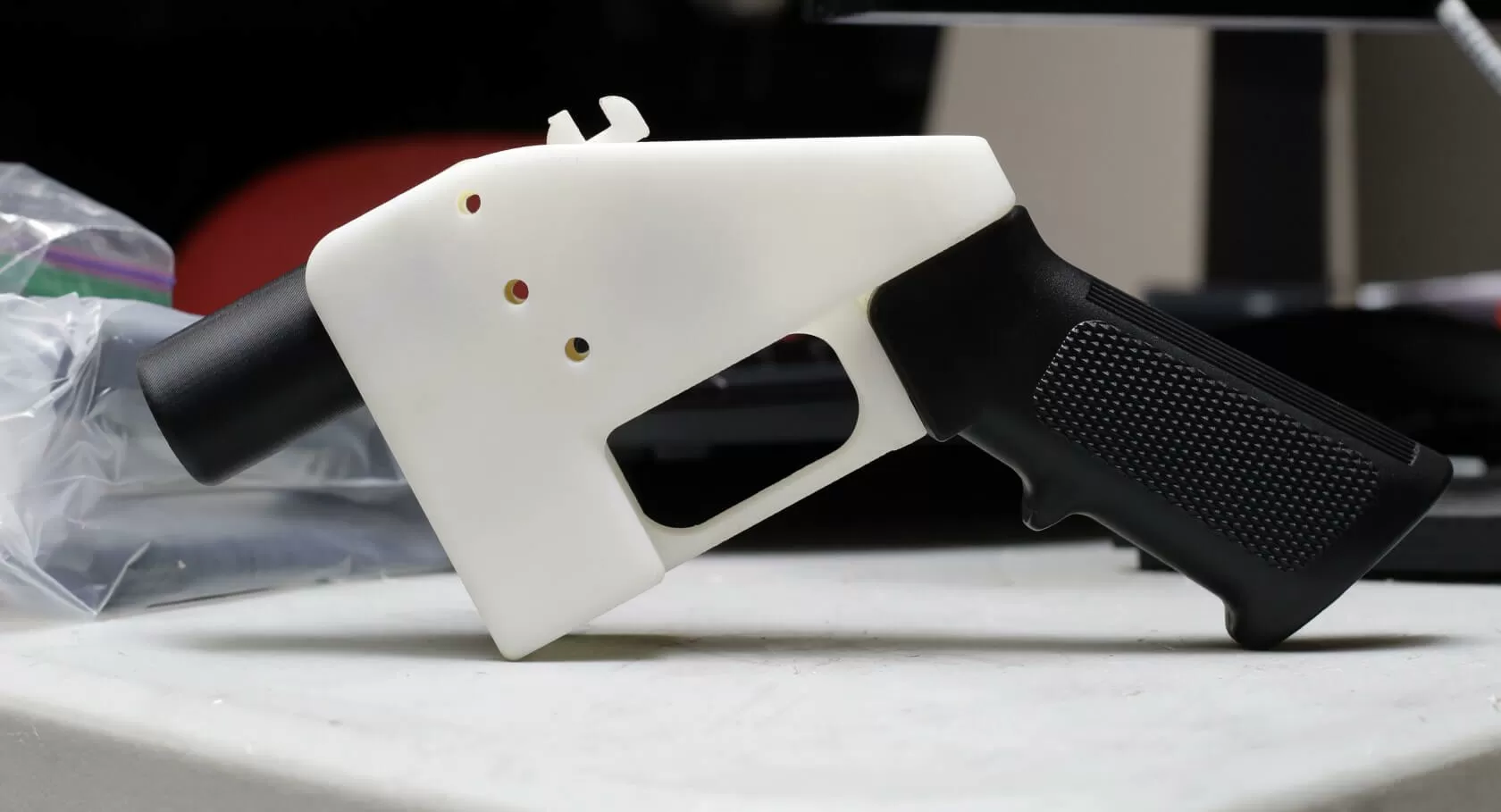
💡A major regulatory move that could force hardware manufacturers to implement AI-based content filtering.
⚡ 30-Second TL;DR
What Changed
The bill passed the Assembly with a 58-19 vote and is now heading to the Senate.
Why It Matters
If passed, this could set a precedent for 'safety-by-design' software requirements in hardware manufacturing, potentially impacting open-source printer firmware and software ecosystems.
What To Do Next
Review your hardware's firmware architecture to assess the feasibility of implementing content-filtering layers if similar regulations expand.
Key Points
- •The bill passed the Assembly with a 58-19 vote and is now heading to the Senate.
- •It targets the rise of untraceable 3D-printed firearms by mandating software-level restrictions.
- •This represents one of the most aggressive regulatory stances on 3D printing technology to date.
🧠 Deep Insight
Background and context from public sources — not the original article. 15 sources cited.
🔑 Enhanced Key Takeaways
- •The California Firearm Printing Prevention Act (AB 2047) mandates that the California Department of Justice (or another relevant state agency) investigate existing firearm blueprint detection algorithms and publish performance standards for such algorithms and software control processes by January 1, 2028.
- •The bill defines "firearm blocking technology" as hardware, firmware, or other integrated technical measures that prevent a 3D printer from initiating a print job unless the file has been evaluated by a firearm blueprint detection algorithm.
- •AB 2047 distinguishes itself from similar legislative efforts in states like New York, Washington, and Colorado by making it a misdemeanor for owners to knowingly disable, deactivate, or circumvent the mandated gun-blocking software.
- •The legislation builds upon California's existing stringent gun control laws, including previous measures that criminalized the distribution of digital firearm manufacturing codes and required serial numbers for homemade firearms.
- •Supporters of the bill cite a significant increase in the recovery of 3D-printed crime guns, with a nearly 1,000% rise across 20 cities over the past five years, underscoring the escalating threat posed by untraceable firearms.
🛠️ Technical Deep Dive
- Definition of Technology: "Firearm blocking technology" encompasses hardware, firmware, or other integrated technical measures designed to prevent a 3D printer from starting a print job until the underlying file has been evaluated.
- Detection Mechanism: The technology would employ a "firearm blueprint detection algorithm" to assess various file types, including STL, CAD files, or geometric code (machine instructions), and flag those capable of producing firearms or illegal firearm parts.
- Performance Standards: The California Department of Justice is tasked with publishing performance standards for these algorithms by January 1, 2028, which must account for false-positive and false-negative rates and require regular updates to address new firearm blueprint files.
- Implementation Approaches: The bill suggests several potential routes for implementing software control processes, such as firmware-based designs, integrated pre-print software designs (which might accept geometric code only from proprietary slicers), or handshake authentication.
- Technical Challenges: Critics highlight significant technical hurdles, including the difficulty of accurately distinguishing firearm components from legitimate mechanical parts due to similar geometries, the ease with which minor file modifications can bypass detection, and the computational demands of complex detection algorithms on typical consumer 3D printer processing units.
- Potential Solutions: Machine learning algorithms are proposed as a dynamic approach to identify potential firearm parts based on common features and patterns, allowing for adaptation to new or modified designs in real-time.
- Open-Source and Privacy Concerns: The bill's provisions could impact open-source 3D printing workflows by potentially requiring proprietary software and raising concerns about pushing file inspection to remote servers, which could lead to privacy issues.
🔮 Future ImplicationsAI analysis grounded in cited sources
⏳ Timeline
📎 Sources (15)
Factual claims are grounded in the sources below. Forward-looking analysis is AI-generated interpretation.
Weekly AI Recap
Read this week's curated digest of top AI events →
👉Related Updates
AI-curated news aggregator. All content rights belong to original publishers.
Original source: cnBeta (Full RSS) ↗
This is a summary, not the original. Read the source, or get the weekly briefing.
The weekly digest
One email a week. Unsubscribe anytime.