California Law Limits Loud Streaming Ads Starting July 1
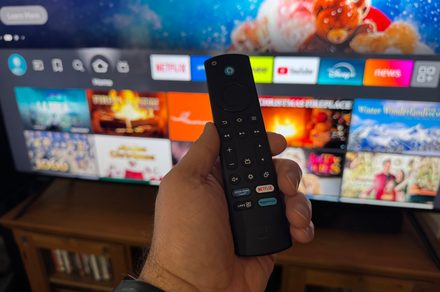
Learn how new regulations are driving the adoption of AI-powered audio processing in media streaming pipelines.
30-Second TL;DR
What Changed
California law bans ads louder than streaming content
Why It Matters
Streaming platforms will need to implement automated audio normalization tools, likely leveraging AI-based signal processing to comply with the new legal standards.
What To Do Next
If you are building media processing pipelines, integrate an AI-based loudness normalization tool like FFmpeg's loudnorm filter to ensure compliance.
Key Points
- •California law bans ads louder than streaming content
- •Effective date set for July 1
- •Aims to standardize audio levels across streaming platforms
Deep Insight
AI-generated analysis for this event — not the original article.
Enhanced Key Takeaways
- •The legislation, officially known as the CALM Act extension or similar state-level audio normalization mandate, mirrors federal regulations previously applied only to broadcast television.
- •Streaming platforms failing to comply face tiered financial penalties, with fines escalating based on the number of daily active users impacted by the audio spikes.
- •The law specifically targets 'dynamic ad insertion' (DAI) technology, which has historically struggled to match the LUFS (Loudness Units relative to Full Scale) levels of primary content.
- •Industry groups, including the IAB (Interactive Advertising Bureau), have raised concerns regarding the technical feasibility of real-time normalization for live-streamed events versus pre-recorded VOD content.
- •California's Attorney General is empowered to utilize automated audio-monitoring software to audit streaming services for compliance starting immediately after the July 1 deadline.
Technical Deep Dive
- The regulation mandates adherence to the ATSC A/85 standard or the ITU-R BS.1770-4 algorithm for measuring and controlling loudness.
- Streaming services must implement real-time loudness normalization processing in their ad-stitching servers to ensure the integrated loudness of ads does not exceed the target level of the program content.
- The technical requirement focuses on maintaining a consistent target loudness, typically -24 LKFS (Loudness, K-weighted, relative to Full Scale) with a tolerance of +/- 2 dB.
- Platforms are required to deploy automated gain control (AGC) and peak limiting tools to prevent transient audio spikes during ad transitions.
Future ImplicationsAI analysis grounded in cited sources
Timeline
- 2025-11California legislature introduces the bill targeting audio volume disparities in digital streaming.
- 2026-02State assembly passes the measure following public feedback regarding intrusive ad volume.
- 2026-04Governor signs the bill into law, establishing the July 1 compliance deadline.
Weekly AI Recap
Read this week's curated digest of top AI events →
AI-curated news aggregator. All content rights belong to original publishers.
Original source: Digital Trends ↗
This is a summary, not the original. Read the source, or get the weekly briefing.
The weekly digest
One email a week. Unsubscribe anytime.