BrainCo unveils brain-to-robot control platform at WAIC
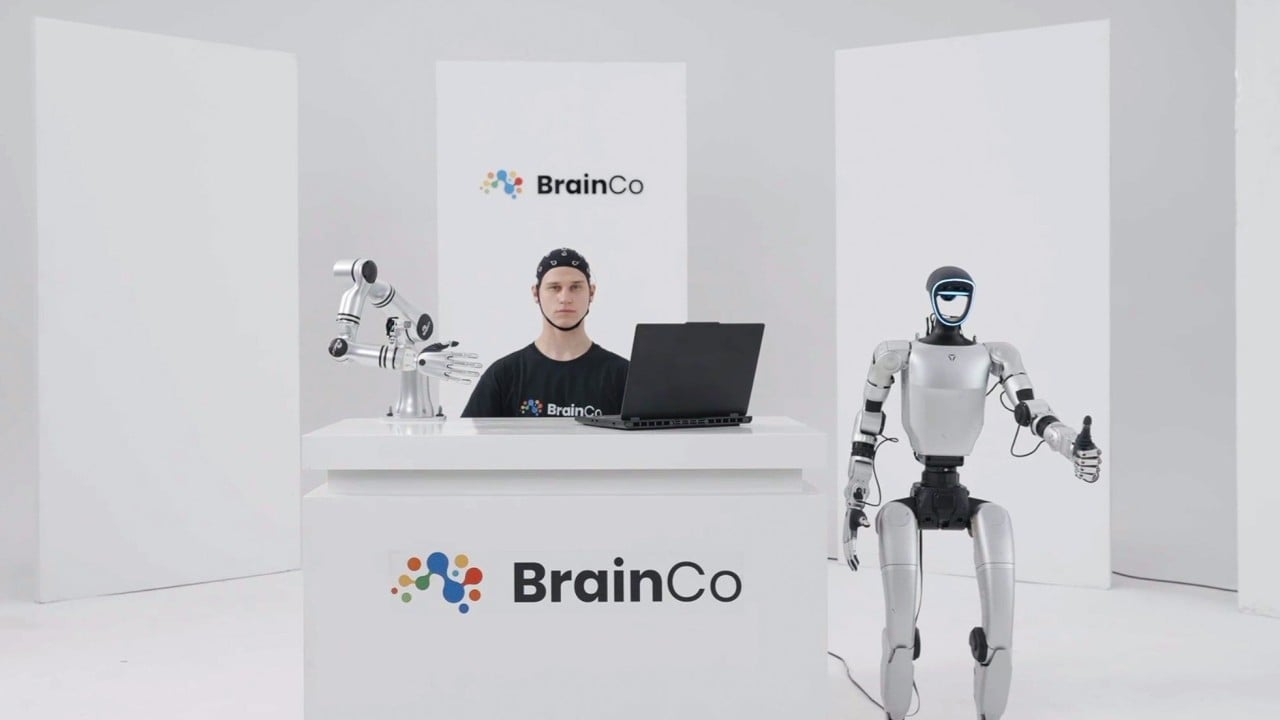
💡First integrated brain-to-robot platform enabling direct neural control of robotic systems without physical input.
⚡ 30-Second TL;DR
What Changed
Integrated platform allows direct brain-to-robot control
Why It Matters
This development marks a significant step in embodied AI, potentially revolutionizing human-robot interaction for accessibility and advanced teleoperation.
What To Do Next
Explore BrainCo’s developer documentation to understand the signal latency and API integration requirements for BCI-based robot control.
Key Points
- •Integrated platform allows direct brain-to-robot control
- •Eliminates the need for physical muscle movement to operate robots
- •Debuted at China’s premier AI event, the World Artificial Intelligence Conference (WAIC)
🧠 Deep Insight
AI-generated analysis for this event.
🔑 Enhanced Key Takeaways
- •The platform utilizes non-invasive Brain-Computer Interface (BCI) technology, specifically leveraging high-precision EEG (electroencephalography) sensors rather than implanted electrodes.
- •BrainCo's system integrates proprietary AI algorithms that perform real-time signal decoding to translate complex neural patterns into specific robotic motor commands.
- •The technology is designed with a focus on neuro-rehabilitation and assistive robotics, aiming to restore mobility for individuals with motor impairments or limb loss.
- •This platform represents an evolution of BrainCo's previous work in BCI-controlled prosthetics, moving from single-device control to a broader, integrated robotics ecosystem.
- •The WAIC demonstration showcased the platform's compatibility with third-party robotic hardware, indicating an open-architecture approach to BCI integration.
📊 Competitor Analysis▸ Show
| Feature | BrainCo (BCI Platform) | Neuralink | Synchron |
|---|---|---|---|
| Invasiveness | Non-invasive (EEG) | Highly Invasive (Implant) | Minimally Invasive (Stent) |
| Primary Focus | Assistive/Rehab Robotics | Neural Data/Human-AI Link | Motor Restoration |
| Pricing | N/A (Enterprise/Research) | N/A (Clinical Trial) | N/A (Clinical Trial) |
| Latency | Moderate (Signal Processing) | Low (Direct Neural) | Low (Vascular Access) |
🛠️ Technical Deep Dive
- Utilizes multi-channel EEG sensor arrays integrated into wearable headgear to capture cortical activity.
- Employs deep learning models for feature extraction to filter out noise and artifacts from raw neural signals.
- Implements a closed-loop feedback system that allows the robot to adjust movements based on real-time neural input.
- Supports wireless data transmission protocols to maintain low-latency communication between the headset and the robotic controller.
- Features adaptive calibration software that learns individual user neural signatures over time to improve control accuracy.
🔮 Future ImplicationsAI analysis grounded in cited sources
⏳ Timeline
Weekly AI Recap
Read this week's curated digest of top AI events →
👉Related Updates
Same topic
Explore #bci
Same product
More on brain-controlled-robot-ai-platform
Same source
Latest from SCMP Technology
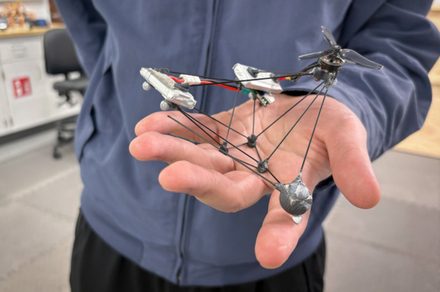
Northwestern engineers develop stealthy spinning drone using motion blur
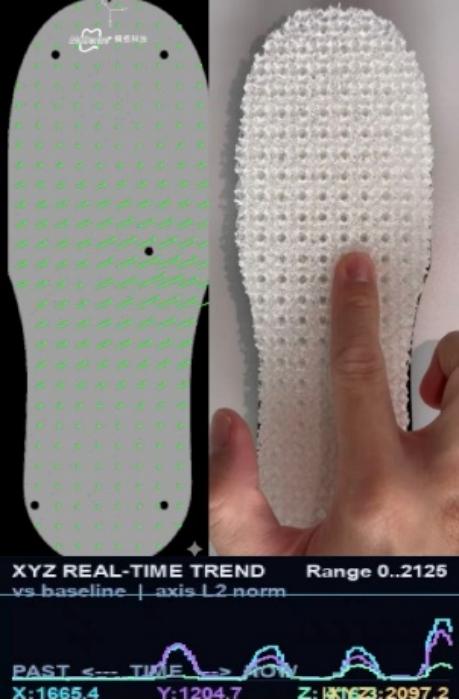
MoSense Raises Millions for Full-Body Robot Tactile Skin
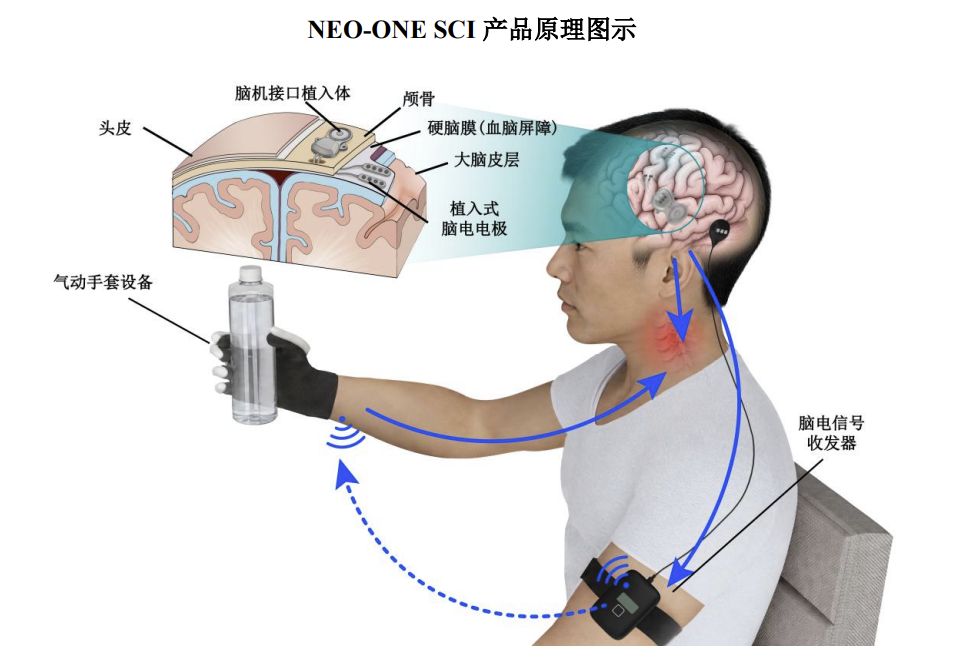
China's First Commercial Brain-Computer Interface Implant

WAIC 2026 Showcases Chinese AI Chips and Industrial Innovation
AI-curated news aggregator. All content rights belong to original publishers.
Original source: SCMP Technology ↗