Bipartisan AI Regulation Push
💡Track bipartisan AI regs shaping your compliance roadmap
⚡ 30-Second TL;DR
What Changed
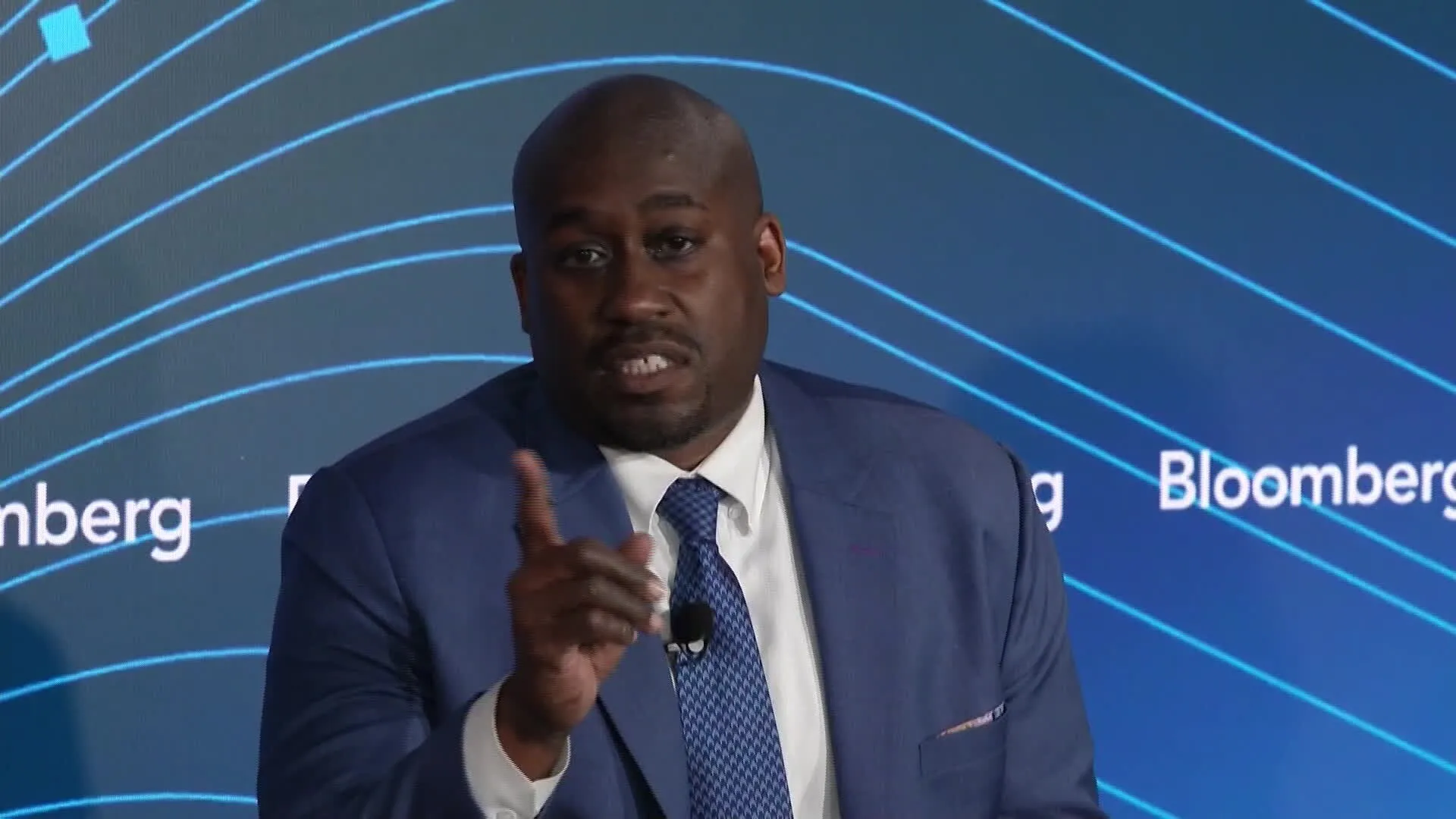
Mario Parker from Bloomberg speaks on regulation
Why It Matters
Bipartisan regulation could standardize AI compliance, affecting deployment strategies. AI practitioners may face new safety mandates.
What To Do Next
Review current AI models for bipartisan regulatory compliance gaps.
Key Points
- •Mario Parker from Bloomberg speaks on regulation
- •Bipartisan AI policy efforts highlighted
- •Event for subscribers in DC March 11
🧠 Deep Insight
Background and context from public sources — not the original article. 10 sources cited.
🔑 Enhanced Key Takeaways
- •Brookings identifies five bipartisan agreements from Trump and Biden OMB memos, including agency governance with Chief AI Officers, prohibiting high-impact AI without protections, and public inventories of over 1,700 federal AI use cases[1].
- •Trump's December 2025 Executive Order revoked Biden's AI safety EO, established an AI Litigation Task Force to challenge state laws, and tasked Commerce with evaluating burdensome state AI regulations by March 11, 2026[2][3].
- •Several states enacted AI laws effective January 1, 2026, regulating AI use and development amid federal deregulatory push and preemption efforts[2][8].
- •Reps. Don Beyer (D-Va.) and Jay Obernolte (R-Calif.) advocate bipartisan federal AI frameworks, criticizing congressional delays while states experiment[4][6].
🔮 Future ImplicationsAI analysis grounded in cited sources
⏳ Timeline
📎 Sources (10)
Factual claims are grounded in the sources below. Forward-looking analysis is AI-generated interpretation.
- brookings.edu — Five Points of Bipartisan Agreement on How to Regulate AI
- bakerbotts.com — US AI Law Update
- softwareimprovementgroup.com — US AI Legislation Overview
- meritalk.com — Beyer Says Lawmakers Are Behind on AI Policy Calls for Bipartisan Action
- bipartisanpolicy.org — Eight Considerations to Shape the Future of AI Governance
- broadbandbreakfast.com — Obernolte Passing Bipartisan AI Regulation Would Send Strong Message to Public
- techpolicy.press — Expert Predictions on Whats at Stake in AI Policy in 2026
- skadden.com — Dont Believe the Hype
- techpost.bsa.org — Preemption with Precision How Congress Can Act on AI
- cyberadviserblog.com — What to Expect in AI Regulation in 2026
Weekly AI Recap
Read this week's curated digest of top AI events →
👉Related Updates
AI-curated news aggregator. All content rights belong to original publishers.
Original source: Bloomberg Technology ↗
This is a summary, not the original. Read the source, or get the weekly briefing.
Weekly AI briefing
One email a week. Unsubscribe anytime.